
Studying at Tel Aviv University
Tel Aviv University, a renowned institution in Israel where students from all over the world come to benefit from diversified study programs, cutting-edge research opportunities and a dynamic student life in an international setting.

Tel Aviv University (UTA), located in the heart of Israel, is one of the world’s leading universities. Founded in 1956, it has rapidly evolved into a major center of teaching and research. UTA is renowned for its innovative programs and interdisciplinary studies, offering students first-rate training in a variety of fields.
If you’re interested in studying in Israel, the university offers a wide range of programs in science, medicine, engineering, management, and the humanities and social sciences. Students can choose from courses in Hebrew, English and even French, making the university accessible to an international audience. In addition to traditional academic programs, UTA offers continuing education courses and special programs such as Massa, which attract students from all over the world.

Tel Aviv University study programs
Tel Aviv University (UTA) is one of the most prestigious academic institutions in Israel and the world. It offers a variety of study programs at all levels, providing students with quality training and outstanding research opportunities. Here’s a detailed overview of the different study programs available at UTA.
Undergraduate programs
Faculty of Exact Sciences
Students can choose from programs in mathematics, physics, chemistry, life sciences and earth sciences. These programs emphasize research and innovation, preparing students for careers in science and engineering.
Faculty of Medicine
The faculty offers an internationally recognized undergraduate program in medicine (MD). Students follow theoretical and practical courses, with internships in affiliated hospitals.
Faculty of Social Sciences
Programs include psychology, sociology, political science and economics. These studies offer an interdisciplinary perspective, integrating research and analysis of social phenomena.
Faculty of Arts
Students can study fine arts, music, film and theater. The faculty encourages creativity and artistic expression through practical and theoretical courses.
Faculty of Engineering
Engineering programs include electrical, mechanical, biomedical and computer engineering. Students acquire advanced technical skills and participate in research projects.
Graduate programs
Master’s and PhD
UTA offers Master’s and PhD programs in all the fields mentioned. Graduate students benefit from state-of-the-art research resources and work alongside renowned researchers. Programs are available in Hebrew and English, facilitating access for international students.
Massa program
The Massa program enables international students to take courses in English while discovering Israeli culture. This program is ideal for those seeking an enriching international experience.
Specialized programs
MBA and management
UTA offers MBA programs that are recognized worldwide. Courses include management, marketing, finance and entrepreneurship. These programs prepare students for leadership roles in the business world.
Faculty of Education
Programs include teacher training and special education. Students learn innovative teaching methods and take part in practical work placements.

Tel Aviv University admissions process
Admission requirements
Admission requirements at UTA vary according to program of study and academic level. In general, prospective students must meet the following criteria:
- High school diploma: applicants must have a bachelor’s degree or equivalent.
- Language proficiency: depending on the program, proficiency in Hebrew or English is required. Language tests such as TOEFL or IELTS may be required for programs in English.
- Specific prerequisites: some programs, particularly in science, engineering and medicine, may require specific prerequisite courses or skills.
Application deadlines
Application deadlines vary by program and faculty. Here are some general points to consider:
Special programs: specific programs such as Massa may have different deadlines. It is essential to check the dates on the UTA website.
First semester: applications for the first semester should generally be submitted between January and April of the previous year.
Second semester: for programs starting in the second semester, applications are often accepted until November of the previous year.


Required documents
To apply to UTA, French students must submit several documents:
- Application form: complete the online form available on the university website.
- Diplomas and transcripts: provide certified copies of your bachelor’s degree and transcripts.
- Proof of language proficiency: results of language tests such as TOEFL or IELTS, if required.
- Cover letter: explain why you want to study at UTA and how your chosen program aligns with your academic and professional goals.
- Recommendations: Letters of recommendation from professors or employers may be required for some graduate programs.
- CV: a curriculum vitae detailing your academic and professional background.
- Portfolio: For arts programs, a portfolio of your work may be required.
Selection process
Entrance exam: for some programs, particularly in medicine and engineering, an entrance exam may be required.
Academic evaluation: applications are evaluated on the basis of transcripts and academic qualifications.
Interviews: Some programs may require an interview, either in person or online.

Tuition fees and scholarships at Tel Aviv University for French students
To help French students finance their studies at UTA, the university offers a variety of scholarships and financial aid.
Tuition fees
Tuition fees at UTA vary according to the program of study and the course of study. In general, French students can expect to pay between US$4,000 and US$15,000 per year for a Bachelor’s program and between US$5,000 and US$30,000 per year for a Master’s program. Doctorate fees are generally covered by the university.
Scholarships
UTA offers several scholarships to French students, including :
- Excellence scholarships: these are awarded to French students with outstanding academic records.
- Need-based scholarships: these scholarships are available to French students who demonstrate financial need.
- French government scholarships: the French government also offers scholarships to French students wishing to study abroad.
Additional financial assistance
In addition to scholarships, UTA also offers other forms of financial aid, such as student loans and on-campus employment.
How to apply
French students can apply for UTA scholarships and financial aid via the university’s website. Application deadlines vary according to the scholarship or financial aid applied for.
Student life at Tel Aviv University: a dynamic campus in the heart of Israel
A vibrant campus in the heart of the metropolis
Located in the heart of the vibrant city of Tel Aviv, UTA offers students a unique living environment. The modern, well-equipped campus houses state-of-the-art teaching and research facilities, as well as green spaces, cafés and restaurants, fostering a rich and dynamic student life.
A wide range of study programs
As you will have gathered, UTA offers a wide range of undergraduate and graduate programs in over 100 fields, covering the sciences, social sciences, arts, humanities, engineering, law, management and medicine. The programs are taught by internationally renowned researchers and are constantly adapted to the latest advances in their respective fields.
A rich community and sports life
The UTA actively encourages participation in sports and community life. The university has over 200 student associations covering a wide range of interests, from sport and music to the arts and voluntary work. Modern sports facilities on campus enable students to practice a wide variety of sports.
An international environment
UTA attracts students from all over the world, creating an enriching multicultural environment. The university offers study programs in English and Hebrew, as well as support services for international students.
Integrating French students
The UTA has set up specific initiatives to facilitate the integration of French students. Hebrew courses for beginners are offered, as well as individualized support for administrative procedures and settling in.

A top ranking
A top ranking
The UTA consistently ranks among the best universities in Israel and the world. Here are some notable rankings:
- 1st place for Israel in the three major world university rankings for 2024 (ARWU, QS World University Rankings and Times Higher Education World University Rankings)
- Among the 201-250 best universities in the world according to the Times Higher Education World University Rankings 2024
- 56th best university in the world and 4th in Israel according to the Center for World University Rankings 2023
A reputation for excellence in every field
UTA offers a wide range of undergraduate and graduate programs in a multitude of disciplines, including the sciences, social sciences, arts, humanities, engineering, law, management and medical sciences. Its programs are renowned for their academic rigor and relevance to today’s world.
The University has particularly distinguished itself in areas such as :
- Life sciences and medicine: UTA is home to leading faculties of medicine and dentistry, as well as cutting-edge research programs in biology, biochemistry, neuroscience and related fields.
- Social sciences and humanities: UTA is renowned for its programs in psychology, economics, sociology, history and other social science and humanities disciplines.
- Engineering and technology: UTA’s School of Engineering is one of the largest in Israel, offering cutting-edge programs in electrical engineering, computer science, mechanical engineering and other fields.

A gateway to a promising future
UTA graduates are highly sought after by employers worldwide. They are renowned for their critical and analytical skills, and their ability to adapt to constantly changing environments. UTA gives you the tools and knowledge you need to succeed in your career and make a positive contribution to society.
Tel Aviv University has been privileged to count among its students and professors many personalities who have marked their field of expertise and influenced the world in various ways. Here are a few notable examples:
Arts and letters:
- Etgar Keret: Israeli writer and filmmaker renowned for his short stories and dark humor.
- Galia Sabar: Israeli poet, playwright and translator, winner of the Chernichovsky Prize.
- Talya G. A. Solan: Israeli historian and archaeologist, specializing in the history of women in antiquity.
Science and technology:
- Daphne Barak-Erez: internationally renowned Israeli social psychologist, known for her work on leadership and motivation.
- Ilan Ramon: first Israeli astronaut, tragically killed during the Columbia space mission in 2003.
- Ghil’ad Zuckermann: Israeli linguist, known for his work on revitalizing endangered languages and linguistic diversity.
And many more:
In addition to these famous names, Tel Aviv University has produced many other graduates who have excelled in various fields, such as politics, law, business and entrepreneurship.
If you’re still on the fence, check out Reichman University in Israel to explore other outstanding academic opportunities.

Ready to study at Tel Aviv University?
We’re here to help


Studying at Leeds University
A British school with a worldwide reputation, ideal for international studies.
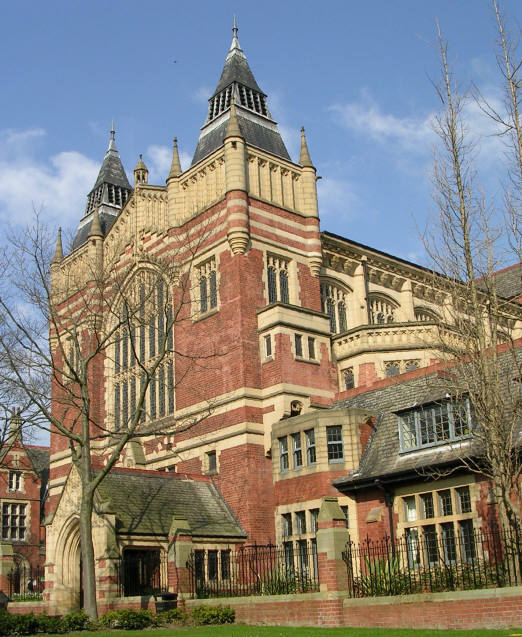
The University of Leeds is recognized as one of the UK’s most prestigious universities. Positioned in the top 100 universities worldwide, The establishment was founded in 1904, and is one of the founding members of the Russell Group.
Every year, the University of Leeds welcomes many international students, who come to train or continue their studies at the heart of one of Europe’s best-known universities.
With its strong focus on scientific research, the university has established itself as one of the best in engineering, but also shines among business schools.
History and description of the university
Located in the Leeds region of the UK, the university, known across the Channel as the “University Of Leeds“, is home to over 10,000 students during their studies. It is renowned for its cutting-edge training, leading to rapid and successful integration into the world of work.
Highly appreciated by recruiters, the University of Leeds is a dynamic, international institution. It focuses on the employability of its students, as well as teaching the skills needed for the job market.
Academic excellence
The academic excellence of the University of Leeds is well established. It ranks among the top universities in the UK, Europe and the world.
The university ranks 75th in the world, and 30th. of Europe’s top universities. In England, the QS World University Rankings 2024 ranked the university 11th.
But if the university is famous, it’s also thanks to certain subjects in which it excels. The Shanghai Ranking ranks the University Of Leeds in pole position among the best universities for Business Administration.
Recognized as a business school, the University Of Leeds holds triple accreditation from the MBA Association, Advance Collegiate Schools of Business and the European Quality Improvement System.
The different programs at the University of Leeds
The University of Leeds offers a wide range of degrees for both undergraduate and postgraduate students. Whether you’re looking to start a bachelor’s degree or continue on to a master’s, the University Of Leeds offers a wide range of specializations within its faculties.
The university campus is divided into eight faculties:
The Faculty of Arts
Leeds Arts University offers no fewer than 19 bachelors and undergraduate degrees. It boasts one of the best specialist arts universities in the north of England. It offers bachelors and masters degrees in acting, creative writing, comics and concept art.
Business school
Leeds University Business School ranks among the top 1% of business schools worldwide, thanks to its triple crown, which enables it to award three types of accreditation.
Whether economics, finance, international business or management and marketing, Leeds University Business School offers a range of bachelors, masters and MBA programs that are highly appreciated by recruiters.
Faculty of Education, Law and Social Sciences
The Faculty of Law, Education and Social Sciences is divided into 4 schools:
- L’ecole de droit: offering degrees in finance law, social justice, criminology and more.
- The School of Education: to train teachers of all ages and the psychology of teaching.
- The School of Politics and International Studies: to train students in international relations, diplomacy and economic policy.
- The School of Sociology: offering a comprehensive education in culture, social research, inclusion and gender studies.
Faculty of Biological Sciences
The Department of Biological Sciences is recognized as one of the leading universities in the life sciences in terms of research and diversity.
It is divided into three schools:
- School of Biology
- School of Biomedical Sciences
- School of Molecular and Cellular Biology
Faculty of Engineering and Physical Sciences
Engineering is one of the three areas in which the University Of Leeds stands out. With its focus on academic and scientific research, the university offers a wide range of degrees: bachelors and masters in chemical, civil and mechanical engineering, masters in astrophysics, physics, chemistry, mathematics…
The Faculty of the Environment
To meet society’s major challenges, the Environment Department at the University Of Leeds is made up of a community of researchers focused on innovation and constant research. Their aim? To discover new ways of thinking about the future.
The Faculty of the Environment is divided into four schools:
- School of Earth and Environment
- School of Food and Nutrition Sciences
- School of Geology
- Institute for Transport Studies
The Faculty of Medicine and Health
Finally, the Department of Medicine offers courses in a dynamic and innovative environment. Committed to equality and inclusiveness, the medical school is also renowned for its welcoming environment.
Students can choose between :
School of Psychology
School of Dentistry
The School of Health
The School of Medicine
Admission criteria
The University of Leeds emphasizes quality of work, the upward trend in grades and student determination.
Admissions criteria vary from one course to another, so we recommend that you check the university’s website to find out the criteria for the course you wish to apply for.
As a general rule, French applicants must :
English language skills
Obtain a mark of at least 14 in the French baccalaureate if they wish to enter undergraduate studies;
To obtain a Master’s degree, you must have obtained a Bachelor’s degree (or equivalent) with honors.


The 1st cycle application process
If you’re starting your first year of undergraduate study, then your application must be submitted via the UCAS platform, which lists the UK’s leading universities.
Step 1: Choose your course
Once on the UCAS platform, select your university and the course you wish to take.
Step 2: Write a cover letter
The cover letter, or “personal statement”, is a crucial step in the selection process. You’ll need to support your application with a letter that is clear, original and persuasive, and you can draw on the recommendations of your teachers to help you write a good cover letter. Your Dream School can also help you with this process, so that you have every chance on your side.
Step 3: Provide the requested documents
Depending on your level and the course you wish to follow, the University of Leeds may ask you for further information.
As a general rule, you will need to provide a digital or scanned version of the following:
- Two letters of recommendation (depending on course chosen)
- Your diplomas and/or transcripts
- A copy of your study permit or visa
- A letter of motivation
- An up-to-date CV
- Proof of proficiency in English
- A portfolio
- A translation test
- Two letters of recommendation (depending on course chosen)

The graduate school application process
The application process for the second cycle (master’s) is almost identical to that for the first cycle (undergraduate). It varies slightly, mainly in terms of where to send your application, which is no longer the UCAS platform but the University of Leeds itself.
Step 1: Find your master’s program
The first step is to find your Master’s program, among the courses offered. Note that you are not obliged to take a master’s degree in the same field as your bachelor’s degree. You can also choose to go off-campus to broaden your knowledge and develop a multidisciplinary profile.
If you’re not sure which Masters program to choose at the University of Leeds, Your Dream School is on hand to help you take the best route to a successful career.
Step 2: Check the eligibility criteria for your course of study
Each program has its own prerequisites. In the second cycle, you obviously need to :
- An undergraduate degree in a specific field
- A good level of English
In some cases, admission tests and competitive examinations are required to gain access to a particular course.
Step 3: Put together your application and submit it on time
The third and final step is to complete your application. To do this, you need to provide all the documents requested, either in digital format or translated and scanned.
Here is the list of documents you will need to apply for a Master’s degree:
- Your transcripts and diplomas
- A letter of motivation
- One or more letters of recommendation
- Your admission test results
- Your CV
Bear in mind that this list is not exhaustive, and that the documents required also depend on each university, as well as on the program you choose. All these documents must be translated into English by a sworn translator. Check application deadlines and start your application early to avoid unforeseen circumstances.
A university open to international students
The University of Leeds appeals, and it knows it! Like many other British universities, it attracts many international students to its walls. On average, 33% of Leeds students are from abroad.
To support these people as they travel and settle into a new country, the university has set up an international student support program.
The program includes language assistance, cultural programs to help you adapt, and advice on visas.
Leeds ensures that its students have a great experience within its walls. Its reputation is second to none, both academically and in terms of the quality of its teaching.the university’s goal of being an incubator for success, in a warm, healthy environment.

Tuition fees and living costs at Leeds University
According to our estimates, an academic year 2024-2025 at the University of Leeds will cost between £20,000 and £30,000 .
And that’s not counting the additional costs of accommodation, food, travel and much more.
Here’s an estimate of your costs as a student per month:
| Expenditure area | Estimated average amount |
| Accommodation in Leeds University halls of residence | £600 |
| Food | £150 |
| Telephone packages | £20 |
| Transport | £40 |
| restaurants, bars, etc. | £100 |
| Leisure (cinema, activities, etc.) | £20 à £100 |
| Sports hall | £15 |
In short, you’ll need an average of £1100 a month, or the equivalent of €1300, to live in England.

Scholarships available to study in Leeds
Do these costs seem high? Don’t worry, the University of Leeds offers a range of grants to help international students study in the UK.
Leeds offers a wide range of scholarships for students from the UK and abroad.
These include :
- And other scholarships, provided by the English government or by the University of Leeds itself.
- The Leeds Master’s Scholarship is equivalent to £500, tuition-free for international Master’s students.
- Bourses d’excellence La Dean’s Excellence Business School Undergraduate International Scholarshipswhich reduces tuition fees by 50% for business and economics students.
- And other scholarships, provided by the English government or by the University of Leeds itself.

Student life in Leeds
When you know how much the University of Leeds cares about the well-being of its students on campus, it’s easy to imagine that the school puts student life at the heart of its concerns.
Infrastructure for students
The facilities and infrastructure at the University of Leeds are internationally recognized.
The university has several modern laboratories, ideal for students and research.
The Edge sports center, in the heart of Leeds University, offers a fitness center and swimming pool, as well as a climbing wall, tennis courts and various classes.
The university also has a large library, the Brotherton Library, and a media library for students’ research needs.
Activities at Leeds University
The University of Leeds has one of the largest student unions in the country, with over 300 activity clubs and societies.
Run by the LUU (Leeds University Union), you can join a wide range of groups, from classic sports clubs to k-pop dance and canoe clubs.
Famous people who studied at Leeds
Given its reputation, it’s no surprise that many famous personalities, from sportsmen and women to actors and politicians, have trained in Leeds.
- Matthias Maurer, astronaut
- Wole Soyinka, winner of the Nobel Prize for Literature in 1986
- George Porter, Nobel Prize in Chemistry 1967
- Nambaryn Enkhbayar, President of Mongolia
- Emma Macke, Franco-British actress
- Matthias Maurer, astronaut

Increase your chances of studying at the famous University Of Leeds with Your Deam School
Dreaming of going to Leeds? Your Dream School can help you every step of the way, to make your university year a success!
Studying at Trinity College Dublin
The most prestigious University of Ireland

Established in 1592 by Queen Elizabeth I on the model of Oxford and Cambridge, Trinity College Dublin (TCD) is the oldest university in Ireland and is also the most renowned in the country. Ranked 88th in the 2018 QS World University Rankings, Trinity’s illustrious alumni include Samuel Beckett, Oscar Wilde and Bram Stoker, author of Dracula. Once reserved for young Protestant men, Trinity is now a modern, multicultural university located in the heart of one of Europe’s most dynamic capitals.
Trinity’s campus with its many historic buildings is very beautiful and really impressed us. Some elements such as the dining hall or the stairs of the Museum Buildinginspired some of the sets of the Harry Potter movies.
Schooling
Located on College Green, just across from the Irish Parliament, the huge campus covers 190,000 m2 in the heart of Dublin and its many cafes, bars and pubs. It is also only fifteen minutes away from the European headquarters of the world’s largest technology companies: Facebook, Google, Linkedin, Microsoft and Airbnb!
The majority of bachelor‘s degree programs offered at Trinity are four years in length, and some engineering and medical programs can take up to five or six years.
The university is divided into three main faculties, which are further divided into 25 schools: Arts, Humanities and Social Sciences, Engineering, Mathematics and Science and Health Sciences.
Trinity College has an excellent reputation in all areas and all of its programs are among the most selective in the country. Its faculty of “Arts, Humanities and Social Sciences” is internationally recognized for modern languages, literature, politic
The teaching in Bachelor’s degree is done both in the form of lectures and tutorials in small groups of less than 15 people. The number of class hours is generally quite limited and a great deal of independent work is expected of students.
In addition, Trinity also gives students the opportunity to learn an additional modern language during their studies (Mandarin, Spanish, Korean, Japanese, German…).
In addition, Trinity’s “broad curriculum” allows students to take 10% of their courses in other departments of the university (literature, film, languages, philosophy, psychology…).
To consult the complete list of courses offered, click here
A campus on a human scale
In our discussions with students, one of the characteristics of Trinity that was often emphasized by students was the small number of students in each Bachelor’s class. The university has only 10,000 students at the Bachelor’s level, which allows for an excellent integration of students within their department.
The largest library in Ireland
The ancient Trinity Library contains over 6.2 million printed volumes and a significant amount of ancient manuscripts and sacred texts, including the famous “Book of Kells. The university has 3 other libraries for the arts (Berkeley, Ussher and Lecky) and 2 for the sciences (the William Hamilton Science and Engineering Library) and medicine (John Stearne), located in St James Hospital.
Guaranteed student accommodation for non-Irish students
Accommodation in a student residence on campus or in Trinity Hall (“Halls“, a student residence located 20 minutes by transport from the campus where 1000 students live) is guaranteed for non-Irish students in their first and last year. In fact, it is sometimes possible for some students to obtain free on-campus housing by committing to an Irish language program.
Centuries-old traditions
One of Trinity’s most famous traditions is the Foundation Scholarship examination. These exams, which take place just after Christmas in the middle of the second year, are designed to distinguish the best Bachelor students.
In fact, all students who score above 70% on these exams automatically become “scholars” from Trinity, which entitles them to exceptional benefits: their tuition, student housing and all meals at the university are fully paid for the next 4 years!
A very dynamic community life
Trinity also has 120 student associations in fields as varied as sewing, fashion, Europe… There are also 48 sports associations and numerous sports facilities on or near the campus that allow students to practice sports as varied as field hockey, cricket, ultimate frisbee or American soccer. The university also has two highly regarded associations: “the Phil“founded in 1683 is the oldest debating society in the world, and “the Hist“ or “Historical Society” founded in 1770.
Trinity also has five student newspapers covering the financial press (“the Bull”), the arts (“Icarus”, Ireland’s oldest literary journal), a satirical newspaper (“The Piranha”), the oldest student publication (“TCD Miscellany”), and the “Trinity Film Review”.
In addition, numerous conferences with personalities from the world of politics, business, science, sports or the arts are regularly held on campus. Recent guests have included Joe Biden, Nelson Mandela, Angela Merkel, Bono, Al Pacino, John McCain, film director Martin Scorsese, author Margaret Atwood, British politician Nigel Farage, Apple President Tim Cook and John Lasseter of Pixar.
In addition, each yearthe “Trinity Ball” is held on the campus lawn, one of the largest galas in Europe, with more than 7000 students and international artists performing.
Each year the Trinity Ski trip attracts 500 students to the Alps. The university also has 4 theaters and 3 museums.
Finally, the DUISS (“International Student Society”) organizes at least 3 events per week to ensure a good integrat
A university with a strong reputation for quality research
Trinity College is the most internationally recognized and productive research center in Ireland. In fact, the University has an innovation center that aims to foster innovation. It also provides patent counseling and research informationa and facilitates the creation and operation of industrial laboratories and businesses on campus.
Scientists at Trinity College Dublin have recently made a major breakthrough that could greatly contribute to the development of therapies for people with Alzheimer’s disease!


What is the selection process at Trinity College Dublin?
Admission criteria vary greatly from program to program
Admission requirements to Trinity may vary by program. For the most selective courses, such as history, literature and mathematics, it is best to obtain at least a mention Très Bien au Bac (more than 16/20), or even the Congratulations of the jury (more than 18/20) for medicine or law.
For less selective programs such as languages or sociology, an average of 13 or 14/20 can generally be enough to be admitted.
Among other selection criteria, a good command of the English language is required (6.5 on the IELTS, 90 on the TOEFL, 180+ on the Cambridge English scale).
As with all Irish universities, students must apply directly through the CAO system by going to www.cao.ie and include a certified copy of their academic record.

When should you prepare for Princeton University?
Given the extremely selective nature of Princeton University and the many specific requirements for applications to American universities, we recommend that you start thinking about and preparing your admission applications as early as the 2nd grade or the beginning of the 1st grade at the latest, in order to give yourself the best chance of being admitted.
You will have 2 options for applying to Princeton University in the first year of your Bachelor’s degree: “single-choice early action” or “regular decision”.
Are you ready to study at TRINITY COLLEGE DUBLIN?
We are here to
help you

Studying at LSE
The benchmark university for the social sciences

The London School of Economics and Political Sciences (LSE) is a university located in the heart of the Holborn district, close to the City of London. Founded in 1895, the LSE is recognized as one of the world’s leading universities in the field of social and political sciences.
In fact, it was ranked as the world’s 2nd leading university in the social sciences in the QS World University Ranking in 2018.
The London School of Economics (LSE) in a nutshell
The LSE is renowned for training many leaders in business and politics, as well as in law, history, economics, philosophy and the media. 19 of its alumni and professors have been awarded the Nobel Prize (including 13 in Economics, 3 Nobel Peace Prizes and 2 in Literature), and 52 have become heads of state.
The university also boasts the world’s largest library of economic and social sciences.
It is also part of the “Golden Triangle” of English universities, along with Oxford, Cambridge, UCL, Imperial College et King’s College, la LSE.
Similar in many respects to Sciences Po Paris, it offers the opportunity to study a wide range of disciplines related to social and political sciences, law, economics, finance, management, international relations, history and philosophy.
Student life
This highly prestigious university therefore caters for students with a strong interest in social and political sciences, as well as brilliant academic results.
What is the selection process at the London School of Economics (LSE)?
The LSE selection process is divided into several stages, which we describe below:
APPLICATION FORM ON UCAS
First of all, you’ll need to submit your application on the UCAS platform, the equivalent of Parcoursup in the UK. This includes a personal statement and a letter of recommendation from one of your teachers.
A STANDARDIZED ENGLISH EXAM
You’ll also be required to demonstrate an excellent command of the English language, so you’ll usually need to pass a standardized English exam such as IELTS.
CONDITIONAL OFFER OF ADMISSION
Finally, if your application is accepted at the end of the selection process, you will receive a “conditional” offer of admission. This means that you will only be definitively admitted if you achieve a minimum score on your Baccalauréat (usually a “Bien” on the French Baccalauréat) and a standardized English exam (usually between 6.5 and 7.5 on the IELTS).


When should you start preparing for the London School of Economics (LSE)?
The deadline for applying to the London School of Economics (LSE) is January 15 of your final year.
What is the profile of students at the London School of Economics (LSE)?
The LSE is a highly selective university. We recommend that you apply to this university if you can demonstrate excellent academic results and are confident of obtaining a “Bien” or “Très Bien” in your Baccalauréat.

Ready to study at the London School of Economics (LSE)?
Text here…
Study at University College Utrecht
A prestigious Liberal Arts University

Bachelors in Liberal Arts and Sciences at University College Utrecht
Are you ambitious with a wide range of interests from Religion to Economics to Neuroscience to Art (and everything in between)?
The 3-year Bachelor of Arts in Liberal Arts and Sciences at University College Utrecht (UCU) allows a considerable amount of flexibility in areas covering Chinese to Chemistry; studies are organized into 3 majors: Science, Social Science and Humanities.
Thanks to this system, students are encouraged to explore multiple areas, rather than rushed into specializations that they may not be ready for. Classes are small, usually fewer than 25 students. At the same time, University College students can also take classes at the University of Utrecht, where classes are held in larger lecture halls.

Furthermore, the university college has a strong international outlook, with 50% of students going on exchanges or summers abroad to study. Nearly 50% of our students are Dutch passport holders, 29% are non-Dutch European, 10% are non-European, and 11% have dual nationality (including Dutch). All classes are taught in English. Outside of class, students also speak to each other in English although clubs and groups do exist for students to practice other languages.
Curriculum details:
Our full 3-year program consists of 6 semesters, 4 courses per semester, which results in students taking a total of at least 24 courses (180 ECTS)
Our curriculum is interdisciplinary and multidisciplinary, and develops important transferable skills.
For more information, and an overview of all courses, please visit www.uu.nl/ucu
Campus life:
Students live on campus in apartment-style residences that mix genders, nationalities, and ages. Some lucky students have apartments with balconies overlooking the campus! Most bedrooms are single rooms, but facilities are shared. Students can easily walk around campus although having a bicycle is very practical and popular way for getting to the town, a nearby forest, certain athletic facilities or the main train station, etc. “When in the Netherlands!…”
Located in the picturesque city of Utrecht, the UCU campus is a repurposed military base. Today students will see several renovated academic buildings bearing the names of famous historical figures: Voltaire, Newton, Locke, Descartes and so forth, housing various academic disciplines in the humanities, social sciences, and hard sciences. There are large, open green spaces to read, study, and of course socialize, including the central “Campusplein” – or Campus Square, around which several academic buildings and the administration building are located. Each academic building also provides a study space, either for collaborating or for quiet study.
The large dining hall building houses the Academic Student Council, and is a place for activities including foosball; other services are also available in the building on two levels: from large, comfortable dining and study areas to the Jazzman’s café. Just around the corner is the UCSA College Bar, entirely staffed and maintained by UC students.
UCU has vibrant student organisations that organize a plethora of events including cultural activities, sports , parties and excursions. The university regularly organises cultural celebrations and special meals.
How do I apply?
Entry Requirements:
UCU students demonstrate qualities that are reflected in UCU’s educational
philosophy. These values include academic potential and curiosity in a wide variety
of disciplines, motivation to learn and prepare for a career, awareness of global issues and interest in helping to solve them, orientation towards living and studying in an international community.
UCU is thus a selective program for open-minded, curious, motivated students. Anyone wishing to apply must provide:
- The deadline for students wishing to start in September is February 1st. To start in January, the deadline is September 15th.
- High school diploma, IB (32 points minimum), US high school diploma with at least 4 Advanced Placement certificates, or British A-Levels (minimum BBB)
- Proof of English proficiency
- Mathematics proficiency
- Motivational statement
- Letters of recommendation
- After the application is checked, candidates may be invited to an interview (conducted in English) to check academic performance but also personal interests, motivation, and background


What is the deadline to apply for University College Utrecht?
Application deadlines:
| You want to start at UCU in: | Application deadline: |
| September 2019 | 1 February 2019 |
| You want to start at UCU in: | Application deadline: |
| January 2020 | 15 September 2019 |

What are the tuition fees for University College Utrecht?
Fees:
The tuition fees for 2019-20 are as follows:
- Tuition fee (paid to UU): €4,250 (for EEA students); €11,500 (non-EEA students)
- Visa for non EEA students: €317
- Campus fees: €6,050 (all students)
- USCA membership: €73 (all students)
- TOTAL: €10,373 (EEA students); €17,940
Some scholarships and student loans are available
For more information please visit: www.uu.nl/ucu
Are you ready to study at University College Utrecht?
We’re here to help you
Rotterdam School of Management (RSM), Erasmus University
A prestigious university in Rotterdam
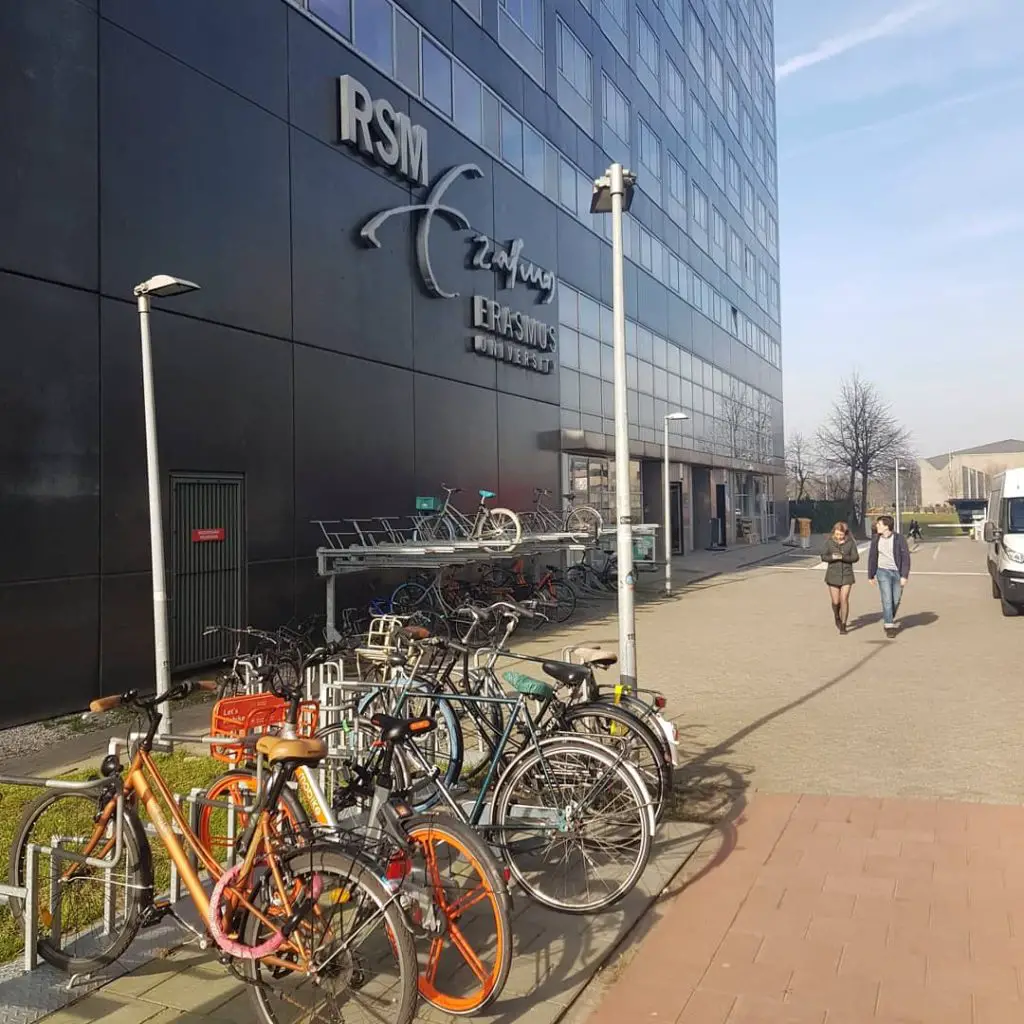
Endless opportunities. Continuous development. Make it happen.
Why study in Rotterdam?
The Netherlands is known as an informal, liberal and tolerant society, an affordable and accessible country, and one of the top providers of English-taught courses.
Rotterdam is the Netherlands’ second-largest city, Europe’s largest port, and according to Rough Guides, one of the ‘top ten places to go’ in 2014. Many multinational organizations – Allianz, Maersk, Procter & Gamble and Unilever to name a few – have headquarters in Rotterdam, so students may well meet their future employer by doing an internship. With its multicultural feel, easy to spot at the enormous Markthal filled with international cuisine, Rotterdam is truly the “Gateway to the World”.
Why study for the Bachelor of Science in International Business Administration at RSM?
At RSM, you will gain a maximised return on investment for your career outlook.
The IBA at RSM is internationally recognised, with a track record as an AACSB-, EQUIS-, AMBA- accredited business school. The FT 2017 meta-ranking placed RSM as 9th in Europe, the FT 2017 Master in Management Ranking, as 11th globally, and US News & World 2018 Economics and Business Global ranking, selected Erasmus University as 14th worldwide.
RSM is an internationalist and international institution. Students represent over 60 nationalities, and have the opportunity to participate in study abroad trips from Santiago to Hong Kong. Many students appreciate our mentor program, where freshmen are partnered with second-year students to help them settle in to RSM and Rotterdam life.
We have numerous partner universities worldwide, including Cass Business School in London, the Wharton School at UPenn, IE Madrid, Tsinghua University in China, and the University of Pretoria in South Africa.
RSM curriculum takes a broad yet thorough approach
In first year, students take 4 blocks, which will provide them with an overview of main business processes: production, marketing, organization and finance, and communication skills. With frequent appraisals, you will be able to track your progress.
In second year, the Professional Development Track will help enhance students’ personal skills, which are key to a successful career.
In the first half of third year, students have the opportunity to participate in an international exchange, internship or minor.
Later in 3rd year, they complete a bachelor thesis in one of the following tracks: model builders (data, operations); performance analysts (finance, accounting); people experts (marketing, diversity, behavior); system thinkers (international business, strategy); change agents (entrepreneurship, innovation).
Students also have the possibility of doing a ‘sandwich year’ in between second and third years, or of adding on year (extension), in order to manage exchange, internship, or minor up to 60 credits, and to strengthen their professional profile. Fully 80% of RSM students graduate within 4 years.
After the bachelor, if students have a sufficient score, they can apply to one of RSM’s on-year masters programs, or the 18-month MAc in International Management/CEMS, a joint program by several leading business schools worldwide that requires mastery of 3 languages.
After the bachelor, if students have a sufficient score, they can apply to one of RSM’s on-year masters programs, or the 18-month MAc in International Management/CEMS, a joint program by several leading business schools worldwide that requires mastery of 3 languages.
Admission procedure ?
To enroll in the IBA program, students must present :
- A secondary school diploma
- Calculus level (or higher) in mathematics
- Sufficient TOEFL or IELTS test results
Les étudiants doivent commencer par enregistrer leur demande avant le 15 janvier sur « Studielink », le portail néerlandais d’inscription aux études supérieures.
They must then complete and submit the RSM online form (OLAF). They will receive a link to access this form within 24 hours of registration via “Studielink”.
In addition to these documents and a copy of their passport, students will be asked a series of reflective questions about their motivation, and asked to upload their answers to the site.
To assess their relevance, applications will be assigned a score, 75% of which will be determined by the student’s grade point average (GPA) and 25% by his/her CV.
For further information, please consult: www.rsm.nl/bacheloradmissions

What is the deadline to apply for Rotterdam School of Management, Erasmus University?
Application deadlines:
Students must first register on the Dutch student registration student system ‘Studielink’ by January 15th.
What are the tuition fees for Rotterdam School of Management, Erasmus University?
Fees:
The 2019-2020 tuition fees are 9,200 EUR per year.
EEA students pay 2,090 EUR per year, with a 50% reduction rate for year one.
Cost of living is around 900 EUR/month.
Dutch students receive a government-funded loan.
There are a wide range of scholarships available in the Netherlands: please check www.grantfinder.nl.
To contact the IBA office: www.rsm.nl/contactiba
Are you ready to study at Rotterdam School of Management (RSM) Erasmus University?
We’re here to help you.

How can we support you in your application?
Queen Mary University of London
Academic excellence in a centrally located London campus
+ 33 6 60 64 19 57
Besoin d’aide ? Discutons de votre projet d’études à l’étranger !
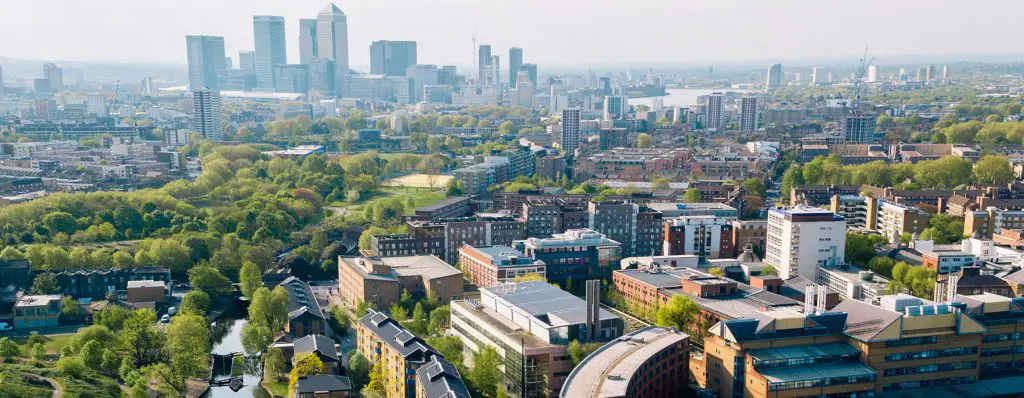
Queen Mary University of London (QMUL) is unique in that it is the only campus-based Russell Group University in London. It has 23,120 undergraduate and postgraduate students studying across the humanities and social sciences, science and engineering, and medicine and dentistry. Located in the bustling areas of east and central London, Queen Mary is one of the UK’s leading research-focused universities and places in the top 50 in the UK University Ranking 2019. Queen Mary’s place amongst the UK university powerhouses is solidified through its outstanding international reputation for research.
According to the most recent Research Excellence Framework, carried out in 2014, Queen Mary places 5th in the UK for the percentage of research outputs ranked 4* and 3*. It also ranks 9th in the UK, amongst multi-faculty institutions, for the sheer quality and excellence of its research.
Calling all international students
The university is a great destination for international students looking to study in the UK. Queen Mary promotes diversity and therefore prides itself on having its doors open to people of all backgrounds: 44% of students are from overseas and its diverse community of staff and students represent over 160 different countries from around the world.
History and campus
The university was formed from the merger of 4 historic London institutions: Queen Mary College, Westfield College, St Bartholomew’s Hospital Medical College and The London Hospital Medical College, which means that its five campuses span such different and diverse areas of England’s capital as Whitechapel, Charterhouse Square, West Smithfield and Regent’s Canal. A university experience in the heart of London … what else could you want?
Well, there’s more to get excited about! Queen Mary’s main campus, called Mile End, is one of the largest independent university campuses in London. Situated right by the Regent’s Canal, the campus offers a vast array of features: a 24-hour library, four computer labs, an arts quarter, as well as providing access to a plethora of bars, cafes and sports pitches. One student notes, “It’s nice having everything all in one location at the Mile End campus. There’s a real sense of community. Campus is almost like its own little village- our own little space in London” (Zoe – QMUL website). The main library of the university is also located on the Mile End campus, with Whitechapel and West Smithfield being host to the medical libraries.
Well, there’s more to get excited about! Queen Mary’s main campus, called Mile End, is one of the largest independent university campuses in London. Situated right by the Regent’s Canal, the campus offers a vast array of features: a 24-hour library, four computer labs, an arts quarter, as well as providing access to a plethora of bars, cafes and sports pitches. One student notes, “It’s nice having everything all in one location at the Mile End campus. There’s a real sense of community. Campus is almost like its own little village- our own little space in London” (Zoe – QMUL website). The main library of the university is also located on the Mile End campus, with Whitechapel and West Smithfield being host to the medical libraries.
The local area
It is worth noting that East London has been transformed in recent years given the large quantity of structural development and improvement as well as an influx of commercial and residential property investment. It has been tipped as “one of the most exciting parts of London” by British GQ magazine and boasts an unrivalled culinary and social hub for students. Queen Mary can offer guaranteed accommodation for all its first-year students in prime London location: each room comes with Internet access and an en-suite bathroom, and all have access to Wi-Fi across each of their five campuses using the eduroam network.
Academic Matters
On the academic side of things, Queen Mary thrives. According to the QS Subject Rankings 2018, the university places top 50 in the world in English, Drama and Law. Success in areas such as these, in combination with the international excellence that characterizes Queen Mary’s research department, should demonstrate the validity of the claim that this university poses as a first-choice pick for those applying to university and who are seeking to study in London.
STUDENT LIFE
Queen Mary home to one of the most successful Student Unions in the country, whose motto is “Together we improve students’ lives”. What the union has on offer may range from Sports and Fitness opportunities, through to an Academic Advice Service, as well as providing a host of social spaces: a multifaith centre, restaurants and a variety of lively drink spots such as The Griffin Inn bar and kitchen and The Shield.
The Union offers groups and societies that range from volunteering to the participation in sports teams. The societies and events that take place here in the Student Union are a starting point for others: in 2019, Queen Mary was lucky enough to welcome none other than Microsoft founder Bill Gates to come to speak on his roles as “world-leading technologist, business leader and philanthropist”, as The Complete University Guide 2019 notes. With figures such as Bill Gates gracing the grounds of Queen Mary you know the university means business! If the prospect of living and working in London seems attractive, then it may well be the university for you.
How do I apply?
Queen Mary University of London requires strong academic results and rigorous preparation is needed.
What are the different stages of the application?
There are several steps:
- Application
- Conditional offer
- Acceptance
The details of these steps are covered below.

How do I apply?
How to begin an application:
Conditional offer and acceptance:
If students succeed in all these stages, in January they will receive a ‘conditional offer’ of admission. This means that they will be accepted if they attain the required marks (most often a high grade in your end of high school studies, and in a standardized English exam: 7.5 in the IELTS for example).
What is the deadline for applying?
Deadlines:
The deadline for applications to Queen Mary University of London is 15th January of a students’ final year of secondary school or sixth-form college (Year 12).
When do you have to start preparing for Queen Mary University of London?
It is recommended that students try to find aspects of their chosen course that genuinely interest them and to think deeply about why they wish to study this subject – after all, students are applying to study this subject full time for at least 3 years.
Is it possible to visit the campus?
Open day at Queen Mary is 5th October 2019. Registration is not necessary, although students may need to register for the most popular sessions. For more information, see this page.
What is the profile of the students at QMUL?
Because of the high selectivity of the university, we recommend to apply to this university only if yo can show strong academic results and you are sure to obtain at least a Mention ‘Assez Bien’ grade in the Baccalaureate.
Moreover, you must also show an excellent command of the English language.
Fees
Fees 2019-2020*
| EU students | International Non-EU Students | |
| Undergraduate Tuition Fees | £9,250 per year for all courses | Between £24,750 and £34,678 per year, depending on the subject (see individual course pages for details).Costs for Medicine will be considerably higher: £27,24 per year for the first three years (pre-clinical years), and £37,445 per year for years 5 and 6 (clinical years). |
| ‘College fee’ | £0 | International students must also pay a ‘College fee’ of £7,570 |
*Tuition fees subject to increase with inflation in subsequent years
When taking into account the cost of any university, you should also consider the cost of living.
When taking into account the cost of any university, you should also consider the cost of living.
Oxford provides an estimate for the cost of living, which can be found on its website: they advise budgeting between £1,058 and £1,643 for each month that you are in Oxford. You should budget this amount for 6-9 months of the year, depending on whether you will be staying at Oxford during the holidays.
From this, you might predict an annual average budget of around £10,567 per year, including accommodation, transport, personal expenses etc.
Are you ready to study at Amsterdam University College ?
Nous sommes là pour vous aider
How can we support you in your application?
Leiden University College The Hague (LUC)
A prestigious Liberal Arts University in The Hague
+ 33 6 60 64 19 57
Need help? We can discuss your plan for studying abroad !
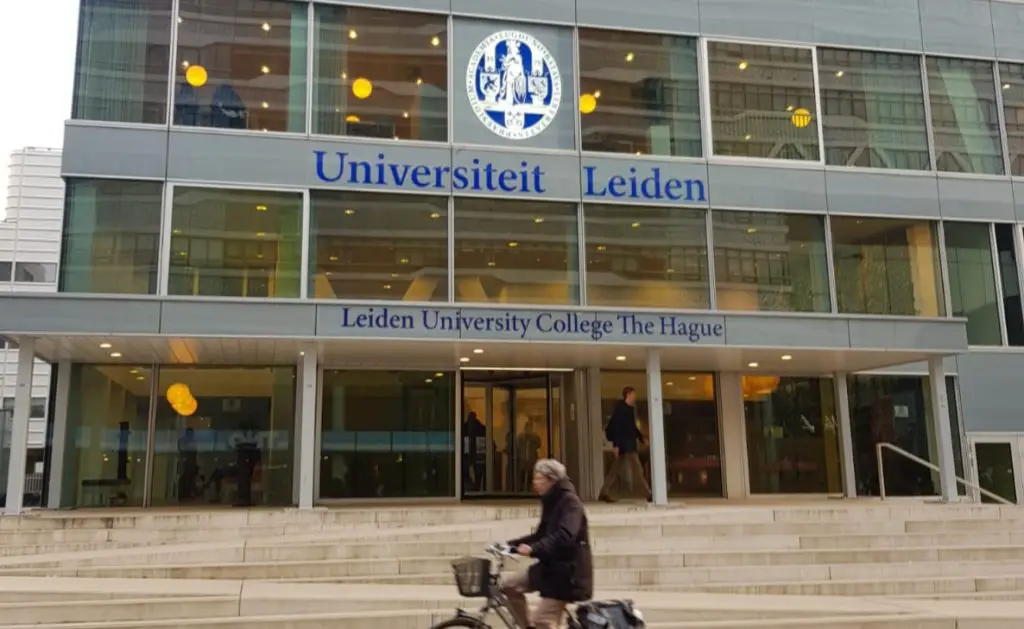
Presentation of Leiden University College (LUC) The Hague
At the doorstep of The Hague Central Station stands LUC, the University College of Leiden University. While students may choose to take a few courses 15 minutes away in Leiden on a campus of 28,000 students, the campus in The Hague has a much smaller student community. LUC houses 600 students who study and live together in the Netherlands’ 3rd largest city with a population of 1 million people and 200 international governmental organizations.
Why study at Leiden University College The Hague?
Be at the centre of the international stage
- Study in the city of international justice and the capital of one of the most forward-thinking countries in the world!
- LUC’s ‘Liberal Arts and Sciences: Global Challenges’ program centers around the themes and values for which The Hague is known: internationalism, peace, justice.
- LUC is the international Honours College of Leiden University. Leiden University is the oldest university in the Netherlands (est. 1575)
- After LUC, 70% of students pursue a master’s or PhD in business, environmental studies, international relations, law, political science, public health and security studies
Vibrant student opportunities
- At LUC, you will live in the fastest growing student city in the Netherlands. LUC has 600 students of over 45 different nationalities, 400 of whom live in the college building
- Students living on campus are housed on co-ed halls that are led by a residential life team including a Residential Assistant who will help you feel at home in your hall by organizing social events and encouraging positive interaction between all residents
- Students set their own meal times and prepare their own meals, which they often enjoy with hallmates
- Outside of hall events, the LUC building offers multiple social spaces – a grand café, a roof terrace, a student-run bar (which is called ‘Coasters’) and more! In addition, in the immediate vicinity, students will find restaurants, gym facilities, and large, calm green spaces The campus is situated close to over 200 international and governmental institutions, which offer numerous opportunities for internships and career development
A living city
- The University itself offers many opportunities for socialising and skills development,. All students are members of the student association Fortuna, which oversees numerous committees including the campus radio 22F(M), Beyond Arts, Debating, Diversity Committee, volunteering group LUCV, and a Sports Committee
- Plenty of things to do and places to go: The Hague boasts some 22 theatres and 35 concert venues
Course Details:
- The Bachelor of Arts and Bachelor of science degrees in Liberal Arts and Sciences focus on Global Challenges
- 3 years Bachelor’s degree, taught in English
- 6 majors to choose from: (each major is made up of 3 or more tracks)
- World Politics
- International Justice
- Human Diversity
- Earth Energy and Sustainability
- Governance, Economics and Development
- Global Public Health
- A wide choice of electives and minors
- 1 year is 2 semesters of 2 blocks (8 weeks) each
- LUC The Hague offers the invaluable opportunity to spend a semester abroad. We have unique exchange programmes. The credits obtained abroad count for your final mark
- The ‘crown’ of your LUC career is the capstone project, an independent (albeit supervised) piece of research
- For more information please visit: www.universiteitleiden.nl/luc-majors
Entry Requirements:
- Dutch VWO or equivalent diploma (IB Diploma, European Baccalaureate, A-Levels, High School Diploma & Advanced Placement exams)
- English proficiency (please see website for details)
How do I apply?
Admissions Process:
LUC offers an “early bird” deadline on January 1st as well as a “regular decision” deadline on April 1st. If you choose to apply early, you can be sure of your acceptance within a couple of months while a regular decision application may take longer to process due to the volume of students applying at that time.
The following must be submitted:
- Completed online application
- Copy of most recent secondary school transcript (and diploma if obtained already)
- Motivation letter
- Recommendation letter
- CV
- Completed LUC application form
- Application fee if applicable
If your application is successful, you will be invited for an interview.
For more information please visit: admissions@luc.leidenuniv.nl
Prospective students may go to the campus for an Open Day or Experience Day, or be a Student for a Day! Find out more at bachelors.universiteitleiden.nl/information-activities
What are the tuition fees for LUC?
Finances:
For the academic year 2019-20:
- EU TUITION FEES: €1,039 (all EU 1st year students who enroll in Dutch higher education system for first time) / €2,078
- Institutional Fee (applies to all): €2,285
- Non-EU Tuition Fee: €10,800
- For more information, please visit: universiteitleiden.nl/bachelors/tuition-fee
Housing:
- Financial support in the form of fee waivers is available
- 1st and 2nd year students typically live on campus. They benefit from a 27m2 furnished room also equipped with a small kitchenette, bathroom/toilet, and Internet access
- Average cost of a single room: €570/month (eligible to apply for room benefits of around €170/month)
- Shared: €370/month (ineligible for rent assistance)
Are you ready to study at Leiden University College The Hague?
We’re here to help you.
How can we support you in your application?
Study at Bocconi
A prestigious business school in Italy

Founded in 1902, Bocconi University (Luigi Bocconi Commercial University) is a private university in the center of Milan, in Italy, which has more than 14 000 students. Bocconi offers courses at Undergraduate, Postgraduate and Doctorate Level in the fields of economics, management, finances, law, political sciences and public administration.
The SDA Bocconi School of Management, the university’s business school, offers MBA and Executive MBA programs.
Bocconi in a few words
Student life at Bocconi
Bocconi’s programs can last two years (master of science), three years (Bachelor’s in economics and management) 4 years (doctorate programs) and even 5 years (for a Bachelor’s and Master’s in law).
Bocconi, a global university, welcomes around 2,000 international students each year, as well as 2,000 exchange students. While numerous classes at the university are taught in English, the students can also choose to study another language of the world, like Italian, French, Spanish, German or Mandarin.
Life on campus at Bocconi
One of the most famous structures on the campus is without a doubt the Grafton Building, which won the “World Building of the Year” at the World Architecture Festival 2008 in Barcelona. The university is currently extending towards the south with the construction of a new campus which will house SDA Bocconi (the Business School), supplementary student residences, a large park and Olympic swimming pool. The campus is designed to adapt naturally to its environment.
Bocconi University also offers to its students around 1800 places in university lodging. These residences offer cleaning services, a laundromat and spaces for studying. However, many students choose to rent private apartments, which are east to find outside of the university.
Bocconi University has its own contemporary art museum and its own television channel – Bocconi TV- and a radio that plays 24 hours a day, the 8 teaching buildings are fully equipped with fiber optic and all lessons are available online, There are also 7 sports venues, 6 student residences in the heart of Milan, 5 video game rooms and much more. There are a certain number of reviews written by students like Tra i Leoni (between the lions) and IS@B News published by international students.
How do I apply?
The University possesses its own online application platform which you must use to submit your application.
To apply to Bocconi for a Bachelor’s degree, you must submit the following elements :
- A personal statement and a CV in English
- Score from a standardized English test (IELTS, TOEFL)
- Score from a Bocconi selection test (which can substitute a ACT/SAT)
- School results from 2nde, 1ere, and Terminale
- A letter of motivation (optional)
- Letters of recommendation can be included in the application, but doesn’t figure among the elements of evaluation
A total of 2,700 spots are available for first year students on the Bachelor’s programs. The promotions are composed of around 100 students for the BSc programs taught in English and around 120 students for the Bachelor’s programs in science.

When do you have to start preparing for the Bocconi University?
The deadline for applying to Bocconi is fixed at the end of your final year.
In all cases, take into account the preparation work required for admission to Bocconi, we strongly advise you to start preparing your application from your penultimate year in order to maximize your chances of admission.
What are the school fees at Bocconi University?
The schooling fees fall between €5,500 and €12,300 according to your family’s income.
Are you ready to study at Bocconi University?
We’re here to help you and a
Study at NYU (New York University)
A campus in the heart of Manhattan

Based in one of the most globalized cities in the world, New York University (NYU) was founded in 1831 and now has campuses in Abu Dhabi and Shanghai in addition to a host of other centers across the globe. NYU was founded by Albert Gallatin, the Secretary of the Treasury in the cabinets of the 2nd and 3rd presidents of the US, James Madison and Thomas Jefferson, also the first president of NYU. Needless to say, its history is quite literally linked to the “Founding Fathers” of the United States.
Arguably reflecting the city’s reputation for diversity and acceptance, NYU has the particularity of having been non-denominational from the start – contrary to all other top American colleges at the time of their creation
New York University (NYU) in a few words
NYU now boasts over 26,000 undergraduate students and nearly as many graduates and in 2014, attracted more international students than any other American university, according to figures published in the “Open Doors” study by the Institute of International Education (IIE). In light of its growth and increasing popularity, the university has become more and more selective in part due to a nearly 100% increase in applications between 2007 and 2017. That year, NYU accepted 27% of its applicants. In 2017, that figure dropped to 19%.
The University has extremely strong ties with the city of New York, seen both in its use of its torch logo – like the Statue of Liberty – and also its location in central New York within the neighborhood Greenwich Village and more specifically, Washington Square. This area has for many years been known as a hub of cultural activity in New York was at one time home to historical figures as diverse as NYU chemistry Professor, creator of the telegraph and namesake of Morse code, Samuel Morse and abstract expressionist Jackson Pollock and cradle of the modern LGBT movement.
Academics
With more than 230 areas of study, NYU offers something for everyone. Its top ranked programs are social sciences (8th by the Academic Ranking of World Universities, 15th by the Times Higher Education World University Rankings,and 16th by the QS World University Rankings); psychology (11th by the QS World University Ranking).
Globally, NYU is ranked 18th in the Center for World University Rankings, 17th in International Colleges and Universities, 29th in the Academic Ranking of World Universities, 27th in the Times Higher Education World University Rankings, and 46th in the QS World University Rankings.
Campus Life
NYU is an open, urban campus, but students still claim the area around Washington Square as their own. Washington Square provides an outdoor space for students to meet and relax or study, as many university buildings like the Silver Center, home to the Faculty of Arts & Sciences, are concentrated around this area. The university also provides numerous student-only spaces like the 24 hour Bobst Library, the Kimmel Center for University Life or the NYU Global Center for Academic and Spiritual Life also on the square.
A range of activities are offered including competitive and intramural sports, fraternities and sororities known as “Greek life” on American campuses. As of 2014, about 13% of NYU students were members of these clubs.
Notable alumni include entertainment industry figures like Martin Scorsese, Adam Sandler and Dakota Fanning (class of 2018); business people such as the owner of Barnes & Noble books, Leonard Riggio and the founder of Ben & Jerry’s, Ben Cohen; authors including Suzanne Collins, author of The Hunger Games and politicians including Bill de Blasio, the current mayor of New York City.
How do I apply?
To apply to NYU, you will need to use the Common Application, a centralized platform through which you can apply to most American colleges and universities. You will need to fill in information about your family – including the occupation of your parents -, provide your transcript or high school grades, submit 1 teacher reference letter, submit one “school report”, draft a résumé or CV, send official test scores (SAT, SAT Subject Test scores, ACT and English language test scores), declare a major or intended area of study, describe your extracurricular activities and as with most highly selective colleges complete the essay questions on the Common App as well as answer additional essay questions specific to NYU. The NYU current question is “Why NYU?”. According to NYU, this is one of the most important parts of your application.
You must submit all your materials before the appropriate deadline. If you are sure that NYU is your first choice, then you may want to apply for Early Decision, which may increase your chances for admission. Early Decision 1 materials must be submitted by November 1st. NYU also offers Early Decision 2, which is due on the same day as Regular Decision, January 1st.
The Candidate
Your admission application for New York University (NYU) must comprise the following elements :
- Your results from the SAT and from the Subject Test
- Your results from the TOEFL, IELTS Academic or the PTE Academic Test
- Your candidate file and the NYU Supplement
- Your NYU Financial Aid Application
- School Report, Guidance Counselor Letter and Transcript
- Teacher Evaluation Form 1
- Teacher Evaluation Form 2

When do you have to start preparing for NYU?
Taking into account the numerous specific requirements for American universities like taking exams; consistently participating in extra-curricular activities including clubs, music, sports, and side projects; and the numerous essays to write, we recommend that students begin start to think about their path to Stanford as soon as they begin high school. The application itself is typically completed during the fall semester of students’ last year in high school.
What is the profile of the students at NYU?
A few more facts and figures: The freshman (1st year) class entering in 2015-216 was made of 5,917 students, representing 49 states and 91 countries, with 19% as non-US citizens. Typically, most freshmen applicants have a typical unweighted, high school GPA of 3.5/A (90–95%) and are in the top 10% of their high school graduating class. For the freshman class of 2018-2019, the average SAT score for accepted students was 1460/1600 and between 32/36 on the ACT. The student-to-faculty ratio at the New York campus is 10:1
For graduate programs, as of 2016, the average MCAT score of students at the School of Medicine is 36/45, average GMAT score of graduate students at the School of Business is 710/800, average GRE quant score of graduate students at the School of Engineering is 169.3/170, and average LSAT score of students at the School of Law is 171/180.

Affording NYU
In order to be eligible for financial aid as an international student, you must apply every year using your personalized CSS Profile.
The deadlines to submit your financial aid application are as follows: Early Decision 1, November 15th; Early Decision 2, January 15th; Regular Decision, February 15th.
The University claims that the average student financial aid award is ,000 for the first year. Tuition (without Room & Board) is about ,000 per year in 2018.
Are you ready to study at NYU?
We’re here to help you