
Studying at the European University of Madrid
A springboard to success in Spain and around the world!

Founded in 1989, the European University of Madrid (UEM) is a private Spanish university renowned for its academic excellence and resolutely international approach. Located on two dynamic campuses in Madrid and Alcobendas, UEM attracts more than 18,000 students from all over the world every year.
Values and a mission at the heart of the student experience:
Guided by its founding values of innovation, excellence and commitment, the UEM’s mission is to prepare its students to become responsible, high-performance players in a constantly changing world. To achieve this, the university emphasizes an active, professional approach to teaching, encouraging learning by doing and the acquisition of cross-disciplinary skills essential to professional success.

Why choose the European University of Madrid?
- A wide choice of training courses :the EMU offers more 200 programs undergraduate, master’s and doctoral degrees in a variety of fields, including the humanities, social sciences, health sciences, engineering, business and economics.
- A stimulating international environment : with over 40% international students, UEM offers a multicultural study environment conducive to open-mindedness and the acquisition of intercultural skills.
- A top-notch teaching staff : The UEM is supported by a faculty composed of researchers and recognized professionalsin their fields, guaranteeing students quality teaching and cutting-edge knowledge.
- Personalized support : The UEM offers its students a wide range of support and guidance services, including orientation, tutoring and help with finding a job.
- A modern, dynamic campus :the EMU campuses, located in Villaviciosa de Odón and Alcobendas, offer modern infrastructures and state-of-the-art facilities for an optimal learning environment.
Ranking and reputation of the European University of Madrid
The European University of Madrid (UEM) has established itself as a leading institution of higher education, both nationally and internationally. Its reputation for academic excellence and commitment to pedagogical innovation have earned it growing recognition from students, employers and specialist ranking bodies.
- Classement des institutions selon Scimago : UEM also stands out in the Scimago Institutions Rankings, which assesses the performance of scientific research. The university ranks among the 681 of the world’s best institutions en research, demonstrating the quality and impact of its work in various fields.
- Classement mondial des universités QS : the EMU is consistently among the Spain’s 5 best private universities in the QS World University Rankings, confirming its position of excellence in the Spanish university landscape.
- U-Ranking : le classement U-Ranking des universités espagnoles place l’UEM dans le top 10 des universités privées du pays, soulignant sa performance remarquable dans l’ensemble des domaines d’enseignement.

A full range of training courses to match your ambitions
The European University of Madrid (UEM) offers a wide range of bachelor’s, master’s and doctoral programs in a multitude of fields of study, enabling you to find the ideal course to fulfill your professional aspirations.
License
With over With more than 80 undergraduate programs, the UEM offers students a vast and diverse choice of courses. You can specialize in fields such as :
- Humanities and Social Sciences : psychology, education, communication, journalism, law, political science.
- Health Sciences : medicine, pharmacy, physiotherapy, nursing.
- Engineering Sciences :Computer Science, Civil Engineering, Electrical Engineering, Telecommunications.
- Economics and management: business administration, marketing, finance, accounting.
- Arts and letters: translation and interpreting, fine arts, design.
Master
The UEM offers over 60 master’s programs designed to deepen your knowledge and acquire specialized skills in your field of expertise. In particular, you can choose to study :
- Research: Research Master’s degree in Human and Social Sciences, Research Master’s degree in Health Sciences.
- Professionals: Master of Digital Marketing, Master of MBA, Master of Project Management.
- Teaching: Master MEEF, Master Sciences de l’Education.
PhD
The EMU encourages research and innovation by offering doctoral programs in various fields of study. You’ll be able to devote yourself to a doctoral research project and become a recognized expert in your discipline.


Admission requirements
1. Application deadlines
Application deadlines vary from program to program. It is important to consult the admissions calendar specific to the course you are interested in. You can find this information on the UEM website or by contacting the admissions department directly.
2. Registration procedures
The registration procedure is carried out online via the EMU web portal. Candidates must create an account, complete the application form and provide the required supporting documents. Applications can be submitted in several stages.
3. application form
The application form is the main document required to apply to the EMU. It must be completed online and includes the following information:
- Personal information: Last name, first name, nationality, date of birth, address, etc.
- Academic information: diplomas, transcripts, etc.
- Information on the desired training program: choice of program, level of study (bachelor’s, master’s, doctorate), etc.
- Cover letter: explaining why you are applying to EMU and the program you have chosen.
- Curriculum vitae: detailing your academic and professional background.
- Recommendations: Two letters of recommendation from professors or professionals may be required for certain programs.
Other documents
Depending on your situation and the training program you have chosen, you may also need to provide other documents, such as :
Proof of your financial situation: if you are applying for a scholarship, you will need to provide proof of your financial situation.
English language test: if the program is taught in English, an English language test (TOEFL, IELTS, etc.) may be required.
Proof of Spanish proficiency: if you wish to study in Spanish, proof of your language level may be required.
Medical certificate: A medical certificate attesting to your good health may be required for certain programs.

Tuition fees
Tuition fees at UEM vary according to the program, the level of study (bachelor’s, master’s, doctorate) and the student’s nationality. Details of tuition fees for each program can be found on the UEM website.
Bachelor’s degree: annual tuition fees for Bachelor’s degree programs are generally between 10,000 and 15,000 euros.
Master’s: annual tuition fees for Master’s programs are generally between 12,000 and 18,000 euros.
Doctorate: annual tuition fees for doctoral programs are generally between 5,000 and 10,000 euros.
Scholarships at the European University of Madrid
The European University of Madrid (UEM) recognizes that access to higher education can be a barrier for some talented students. That’s why the university offers a wide range of scholarships to support deserving students and those in financial difficulty.
Types of scholarships
The EMU offers various types of scholarships, divided into two main categories:
- Merit-based scholarships: these are awarded to students with the best academic results. They may cover all or part of tuition fees.
- Social grants: these grants are intended for students in financial difficulty. They can cover all or part of tuition fees and living expenses.
Eligibility criteria
Eligibility criteria for scholarships vary according to the type of scholarship and the training program chosen.
- Merit-based scholarships: in general, students must have an excellent academic record and/or outstanding results in scientific competitions or olympiads.
- Social grants: students must be in a precarious financial situation and meet nationality and residency criteria.
Application process
The application procedure for scholarships is carried out online via the EMU web portal. Students must create an account, complete the application form and provide the required supporting documents. The application deadline varies according to the type of scholarship.
Student life at the European University of Madrid
The European University of Madrid (UEM) offers a stimulating environment for its students, with enriching services and activities.
Housing
- University residences in Villaviciosa de Odón and Alcobendas: modern rooms, communal areas, catering.
- Private rentals: assistance in finding studios, apartments and flatshares.
Catering
- Cafeterias and restaurants: a variety of affordable dishes.
- Vending machines and supermarkets nearby.
Transport
- Bus and metro services are available on campus.
- Free shuttles between campuses.
Extracurricular activities
Social commitment: volunteering and solidarity actions.
Sport: modern facilities, competitions.
Culture: concerts, exhibitions, conferences.

Are you ready to study at Madrid’s European University?
We’re here to help you


How can we support you in your application?
Studying at the University of Pennsylvania
Recognized for its academic excellence, cutting-edge research and considerable influence on international education.

Founded in 1740 by Benjamin Franklin, the University of Pennsylvania (often referred to as Penn) is one of the oldest members of the prestigious Ivy League.
The world-renowned institution of higher learning is located in the heart of Philadelphia, Pennsylvania. It is renowned for its academic excellence, cutting-edge research and considerable influence on international education.
The university is ranked among the best in the world according to several international criteria and rankings, including ShanghaiRanking and URAP.

Academic excellence and rankings
The University of Pennsylvania (Penn) stands out as one of the world’s top universities, attracting brilliant students from all over the world every year. Its reputation for academic excellence is reflected in its prestigious rankings and selective admissions process.
A top ranking !
Penn consistently ranks among the top universities in recognized international rankings, such as:
- QS World University Rankings : ranked 12th in the world in 2024.
- Times Higher Education World University Rankings : ranked 13th in the world in 2023.
- U.S. News & World Report Best Colleges Rankings : ranked 4th private university in the United States in 2024.
These rankings testify to the outstanding quality of teaching and research at Penn, as well as the university’s international reputation.
Schools and faculties
- Wharton School : renowned for its MBA and economics research programs.
- College of Arts and Sciences : offers courses in natural sciences, humanities and social sciences.
- School of Engineering and Applied Science : programs in engineering, computer science and advanced technologies.
- Perelman School of Medicine : first-rate medical training, focused on clinical research.
- School of Nursing : nursing and clinical research.
- School of Dental Medicine : high-quality dental training programs.
- Law School : combining legal theory and practice.
- Graduate School of Education : prepares students for careers in teaching and educational administration.
- School of Social Policy & Practice : social work and social policy.
- School of Veterinary Medicine : advanced research and clinical practice in veterinary medicine.
- Annenberg School for Communication : communication and media programs.
- Stuart Weitzman School of Design : Architecture, urban planning and design.
Methodology and teaching
Penn’s professors use advanced teaching methodologies, encouraging the practical application of knowledge. Students benefit from innovative teaching techniques.
Research and reputation
Penn stands out for its research results, with numerous academic citations in leading articles. The university’s academic reputation is further enhanced by its high rankings on a variety of teaching and research quality criteria.
Salary and income of graduates
According to PayScale, University of Pennsylvania graduates have some of the highest starting salaries and career earnings compared to graduates of other universities. This strong salary performance contributes to Penn’s high reputation in terms of return on investment for its students.
A selective admissions process
Admission to Penn is selective, with an acceptance rate of only 5.9% for the Class of 2024. Admitted applicants typically have outstanding academic records, high standardized test scores and remarkable involvement in extracurricular activities.
Undergraduate application
Application form
- Online application form available on Penn’s official admissions website : https://www.upenn.edu/admissions
- Official school record transcribed by your lycée.
- Standardized test scores (SAT or ACT). Penn requires high standardized test scores.
- Two letters of recommendation from teachers or mentors who can attest to your academic ability and potential.
- An original and convincing personal essay that allows the admissions committee to get to know you better.
- An application supplement that answers specific questions about your experience, interests and aspirations.
- Non-refundable application fee.
Application deadlines :Early decision: November 1stRegular decision: January 5
Tips on applying for an undergraduate degree
- Start the application process early. It’s important to start preparing your application as early as your first year of high school.
- Respect the deadlines scrupulously. Application deadlines are strict, and it’s important to respect them.
- Pay particular attention to the quality of your application. Make sure that all the documents in your file are complete and well presented.
- Ask for letters of recommendation from people who know you well. Choose people who can attest to your strengths and potential.
- Write a convincing and original personal essay. The personal essay is your chance to stand out from the crowd. Take the time to write it carefully and proofread it thoroughly.
- Prepare carefully for standardized tests (SAT or ACT). If you’re taking the SAT or ACT tests, it’s important to prepare thoroughly. Many resources are available to help you prepare for these tests.
- Make sure you understand the specific requirements of the program you are applying for. Each study program has its own requirements. Read the information on the program that interests you carefully.
- Please feel free to contact Penn’s admissions office with any questions. The Admissions Office is here to help you throughout the application process.

Graduate school applications
Application process
The graduate application process varies according to the program of study chosen. In general, applicants must submit the following documents:
- Online application form available on the program website.
- Official academic record transcribed by your higher education institution.
- Standardized test scores (GRE, GMAT, etc., if required). Some programs require standardized test scores.
- Three letters of recommendation from teachers or mentors who can attest to your research skills and potential.
- A statement of intent describing your research interests and career goals.
- Samples of written work that demonstrate your
- research and writing skills. These samples can include published articles, dissertations, research projects, etc.
- A CV or curriculum vitae summarizing your professional and academic experience.
- Frais de dossier non remboursables.
- Application deadlines: Application deadlines vary according to the program of study you have chosen. It’s important to consult the website of the program you’re interested in to find out the exact dates.

Costs for students living on campus
The cost of attending the University of Pennsylvania, varies depending on the type of housing and personal needs of the students, but here is a general estimate for the 2024-2025 academic year based on where the student lives:
- Tuition: $60,920
- Fee: $7,766
- Accommodation: $12,640
- Food: $6,534
- Books and supplies: $1,358
- Transportation: $1,062
- Personal expenses: $2,008
- Total budget: $92,288
Costs for students living off-campus
- Tuition: $60,920
- Fee: $7,766
- Housing: $12,564 (allowance)
- Food: $5,796 (allowance)
- Books and supplies: $1,358
- Transportation: $1,062
- Personal expenses: $2,008
- Total budget: $91,474

Financial aid for international students
International students at Penn have limited options for need-based financial aid, and must apply for this aid at the time of admission. Penn is committed to covering 100% of the demonstrated financial need of admitted international students, primarily through grants and work-study programs. However, international students who do not receive financial aid in their first year are not eligible to apply for financial aid in subsequent years of their undergraduate degree.
Types of help available
- Institutional grants: These grants do not require repayment and are awarded on the basis of financial need. Penn uses the CSS profile and other financial documents to assess financial need.
- Loans: students can access federal and private loans. International students may require a U.S. cosigner for private loans. the university offers substantial financial aid for international students, including French students, to make education accessible to more talented students.
Types of financial assistance
- Need-based scholarships: Penn is committed to meeting 100% of international students’ demonstrated financial need. Applicants must submit the CSS Profile form and provide financial documentation to prove need.
- Merit-based scholarships: although less common, some schools within the university, such as the Wharton School, offer scholarships based on academic performance and leadership potential.
- Student employment: international students can participate in on-campus work-study programs, enabling them to earn money while pursuing their studies.

Alumni career success
Penn benefits from an active and engaged alumni network, extending the university’s influence around the world. Many Penn alumni have made significant contributions to society, including business leaders, politicians, researchers and innovators. The university regularly highlights these achievements through various articles and publications, highlighting how the education received at Penn has served as a springboard to many illustrious careers.
- Elon Musk – A graduate of the Wharton School at the University of Pennsylvania, Elon Musk has become an iconic entrepreneur known for founding companies such as SpaceX and Tesla, revolutionizing the aerospace and automotive industries.
- Donald Trump– Also a graduate of the Wharton School, Trump became the 45th President of the United States and is a well-known real estate and entertainment tycoon.
- Warren Buffett – Known as one of the world’s most successful investors, Warren Buffett attended the Wharton School before transferring to the University of Nebraska. His management of Berkshire Hathaway solidified his reputation as a major force in the financial world.
- John Legend – A multi-Grammy Award-winning artist, John Legend graduated from the University of Pennsylvania with a degree in English and African-American Literature. In addition to his musical career, he is actively involved in social and educational causes.
- Sheryl Sandberg – Former COO of Facebook, Sheryl Sandberg is a Wharton graduate who has made a significant impact in technology while promoting the empowerment of women in the workplace.

Ready to study at the University of Pennsylvania?
We’re here to help you

Studying at Cornell University
Cornell University stands out as a world-renowned institution, renowned for its academic excellence and cutting-edge engineering programs.

Cornell University stands out as a world-renowned institution, renowned for its academic excellence, cutting-edge engineering programs, and vibrant student community. Founded in 1865 in Ithaca, New York, this Ivy League institution continues to embody the tradition of innovation and educational leadership.
History and founding of Cornell
From its inception by Ezra Cornell and Andrew Dickson White, the university was envisioned as a place where “anyone can find instruction in any study.” This progressive vision of accessibility and academic diversity remains at the heart of Cornell’s philosophy.
Academic program at Cornell University
Cornell University, located in Ithaca, New York, is recognized worldwide for its academic excellence and ranking among the world’s top universities. Cornell’s programs are diverse, covering multiple academic disciplines, from humanities and social sciences to engineering and applied sciences.
A wide range of disciplines
Cornell offers a multitude of programs across its seven undergraduate colleges and seven graduate schools, each a leader in its specific field. Students can choose from around 4,000 courses, offering unparalleled flexibility and academic richness. Among the most prestigious fields are engineering sciences, computer sciences, biomedical research and law.
Science and engineering
Cornell’s College of Engineering is particularly renowned for its commitment to the advancement of scientific and technological research. With programs in civil engineering, electrical engineering, and computer science, this college promotes a multidisciplinary approach to solving complex real-world problems.
Law and administration
Cornell Law School is renowned for its excellent legal education and high placement rate in top jobs. Law students benefit from a rigorous education prepared by renowned professors, with an emphasis on international legal practice.
Humanities and arts
Students interested in the humanities will find a wealth of courses ranging from English literature and media studies to history and philosophy. The College of Arts and Sciences stimulates intellectual curiosity and enables students to develop refined critical thinking skills.

Innovation in research
Research is a cornerstone of Cornell education, with significant contributions in areas such as sustainable development, quantum technology, and global health. The Ithaca campus, combined with Cornell’s research facilities in New York and globally, provides a robust backdrop for academic exploration and discovery.
International study programs
Cornell also promotes international study opportunities, enabling students to gain a global perspective in their field of study. Exchange programs and internships abroad are encouraged, enriching students’ educational experience and preparing them for careers in a globalized environment.
Progressive, personalized education
Cornell’s educational approach is designed to adapt to students’ individual interests and ambitions, enabling them to personalize their academic path. From the undergraduate to the doctoral level, Cornell offers an education that focuses not only on the acquisition of knowledge, but also on the development of practical and leadership skills.
Good to know:
Cornell is ranked among the world’s top 20 universities in several disciplines, affirming its status as a leading institution in higher education.
Admission to Cornell for undergraduates
Admission to Cornell is highly competitive, attracting top applicants from all over the world. For undergraduate applicants, requirements include excellent grades, strong recommendations, and persuasive personal essays. Application dates vary by program, but applications are generally due in early November for early admissions.
1. Academic criteria
To be considered for undergraduate admission, applicants must present an outstanding academic record. Cornell seeks students who have demonstrated an ability to follow and excel in an advanced curriculum. Typically, this includes:
- High grades in advanced courses (AP, IB, or the French national baccalaureate diploma program).
- High GPA (GPA adjusted) – admitted candidates are often in the top 10% of their class.
2. Standardized scores
Although Cornell adopted an optional testing policy for some admissions due to the COVID-19 pandemic, SAT or ACT scores were traditionally a key component of application packages. When submitted, median scores are generally around 1480-1560 for the SAT and 32-35 for the ACT.
3. Essays and letters of recommendation
Personal essays offer students the opportunity to showcase their personality, aspirations and fit with Cornell. In addition, recommendations from professors or academic advisors play a crucial role in providing an external perspective on the student’s academic and personal commitment.
4. Specific requirements by college
Each college within Cornell University may have additional requirements. For example, the College of Engineering requires proven proficiency in math and science, often demonstrated through academic achievement and standardized testing. In comparison, the College of Arts and Sciences values a broad range of academic interests and strong writing ability.
5. Tuition and financial aid
Education costs
For the 2023-2024 academic year, tuition at Cornell is approximately 60,000 USD, with additional costs for housing, meals, and other expenses estimated at 20,000 USD. It is important to note that these figures may vary depending on program specifics and individual student needs.
Financial assistance
Cornell is committed to making education accessible to all admitted students, regardless of their financial situation. The university offers financial aid in the form of scholarships, loans and work-study programs, based on the student’s financial need.
Good to know:
Approximately 50% of Cornell students receive some form of financial aid, with the average aid package covering a large portion of annual tuition.
6. Strategies for candidates
Early preparation
Future applicants should focus on academic excellence from the start of their high school careers, taking advanced courses and engaging in relevant extracurricular activities.
Application tips
Be authentic in your essays and highlight unique experiences or challenges you’ve overcome. Preparing for interviews, although not compulsory, can also be beneficial.
Admission process for graduate students
1. Academic prerequisites
To enter a graduate program at Cornell, applicants must have an undergraduate degree in a field relevant to their intended specialization. An exemplary academic record, with a GPA (adjusted grade point average) of 3.5 or higher, is often required, particularly for fields such as science, engineering or computer science.
2. Standardized test scores
Programs at Cornell may require standardized test scores such as the GRE (Graduate Record Examinations). Despite the temporary suspension of this requirement for some programs due to the pandemic, it is crucial to check current requirements with the relevant department. For management programs, the GMAT may also be required.
3. Personal statements and letters of recommendation
Applicants should submit personal statements that clearly articulate their motivation for pursuing graduate studies at Cornell, highlighting their research experience and professional goals. Letters of recommendation from professors or mentors familiar with the applicant’s research skills are also essential.
4. Research experience and publications
For PhD candidates, it is advantageous to demonstrate solid research experience and relevant publications. These elements underline the candidate’s ability to conduct independent research and make a significant contribution to the scientific community.
Tuition fees and financing options
Costs
Annual tuition for graduate students at Cornell ranges from USD 29,500 to USD 38,000, depending on the program and college.
Financing options
Cornell offers a variety of funding opportunities for graduate students, such as research assistantships (RA) and teaching assistantships (TA), which often cover most or all of tuition and include a living allowance.
Tips for candidates
Alignment with research interests
It is crucial to demonstrate an alignment between your research interests and the faculty specialties of your chosen program. Getting in touch with potential faculty members before applying can be very beneficial.
Preparing your application
We recommend that you prepare your application documents carefully and submit them well in advance of the deadline to allow for thorough revision.
Student life at Cornell
Infrastructure and facilities
Cornell, renowned for its picturesque campus in Ithaca, offers modern resources such as the Uris Library and the Cornell Tech campus in New York. These state-of-the-art facilities support students’ academic excellence in a recognized global setting.
Housing and residential life
Cornell’s student residences offer a welcoming environment, fostering integration and a sense of community among new students. For advanced students, a variety of housing options are available, catering to the needs of those pursuing undergraduate or graduate degrees.
Student activities and involvement
With over 1,000 clubs and organizations, Cornell students get involved in a variety of fields, from computer science to the arts, enriching their university experience and developing leadership skills.
Sports and leisure
Sports facilities on campus, including gymnasiums, swimming pools and fields, facilitate a dynamic and healthy student life. These resources contribute to the general well-being of students, keeping them active throughout the academic year.
Arts and culture
As a cultural center, Cornell offers theaters, galleries and events that enrich the university experience. Students can participate in a variety of artistic productions, reflecting the school’s commitment to the arts.
Academic and professional support
The university provides students with tutoring centers, writing workshops and career advice, helping to prepare graduates for the global marketplace. These resources are essential to support students’ academic and professional journeys, from undergraduate through to graduation.
Every aspect of Cornell’s campus is designed to enrich students’ educational experience, equipping them with the skills they need to excel in their future careers. With its high ranking and global reputation, Cornell continues to attract students from every state and abroad, proving its status as one of the world’s leading universities in terms of science, teaching, and research.
Famous alumni
Cornell has produced an impressive number of graduates who have significantly influenced their fields, including Nobel laureates, leading business leaders, and influential politicians. This tradition of excellence continues to motivate today’s students.
1. Toni Morrison (1931-2019)
Toni Morrison, winner of the 1993 Nobel Prize in Literature, received her M.A. in English from Cornell in 1955. Her works, deeply rooted in African-American culture, have explored the complexities of race and identity in America. Morrison is best known for novels such as “Beloved”, “Song of Solomon” and “The Bluest Eye”.
2. Ruth Bader Ginsburg (1933-2020)
Graduating from Cornell in 1954, Ruth Bader Ginsburg was the second woman appointed to the U.S. Supreme Court. She is renowned for her work defending the rights of women and minorities, and has left an indelible mark on the legal field.
3. E. B. White (1899-1985)
Elwyn Brooks White, who graduated from Cornell in 1921, is a famous American writer, known for his contributions as an editor to “The New Yorker” as well as for his children’s books, such as “Charlotte’s Web” and “Stuart Little”.
4. Dr. John O. Agwunobi
John O. Agwunobi received his MBA from Cornell and has a distinguished career in public health and administration. He served as Assistant Secretary for Health in the George W. Bush administration and is currently CEO of Herbalife.
5. Sandra Steingraber
A renowned biologist and environmentalist, Sandra Steingraber received her PhD in biology from Cornell. She is renowned for her activism and writing on environmental issues and public health, including her influential book “Living Downstream”.
6. Myron Rolle
A former NFL American soccer player and Rhodes Scholar, Myron Rolle earned his master’s degree in medical sciences at Cornell. After his career in professional sports, he continued his studies in neurosurgery.
Why choose Cornell?
Choosing Cornell means choosing an education that goes beyond academic knowledge. It means choosing a community that promotes diversity, innovation and excellence. Every program, every course is designed to prepare students to be not only competent thinkers and leaders, but also responsible, enlightened citizens of the world.
Good to know:
Cornell offers unique opportunities to participate in cutting-edge research from the undergraduate level, enabling students to contribute to innovative projects that have a real impact.
In conclusion, Cornell University continues to distinguish itself by its commitment to academic excellence and its significant contribution to society. For those seeking an education that challenges norms and encourages personal and professional growth, Cornell represents an unparalleled choice.

Ready to study at Cornell University?
We’re here to help you
Studying at Leeds University
A British school with a worldwide reputation, ideal for international studies.
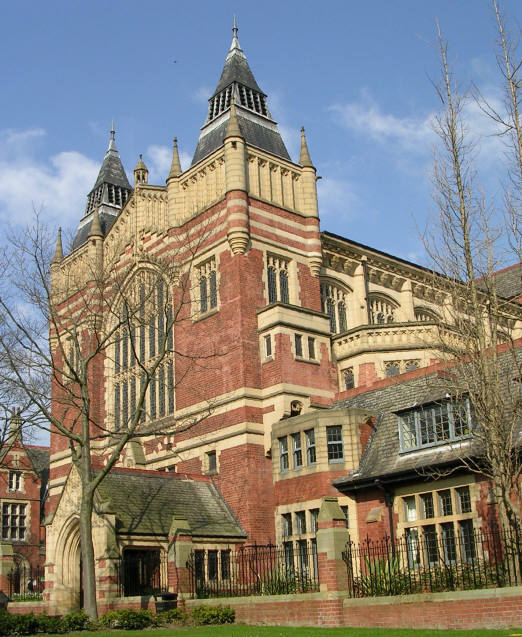
The University of Leeds is recognized as one of the UK’s most prestigious universities. Positioned in the top 100 universities worldwide, The establishment was founded in 1904, and is one of the founding members of the Russell Group.
Every year, the University of Leeds welcomes many international students, who come to train or continue their studies at the heart of one of Europe’s best-known universities.
With its strong focus on scientific research, the university has established itself as one of the best in engineering, but also shines among business schools.
History and description of the university
Located in the Leeds region of the UK, the university, known across the Channel as the “University Of Leeds“, is home to over 10,000 students during their studies. It is renowned for its cutting-edge training, leading to rapid and successful integration into the world of work.
Highly appreciated by recruiters, the University of Leeds is a dynamic, international institution. It focuses on the employability of its students, as well as teaching the skills needed for the job market.
Academic excellence
The academic excellence of the University of Leeds is well established. It ranks among the top universities in the UK, Europe and the world.
The university ranks 75th in the world, and 30th. of Europe’s top universities. In England, the QS World University Rankings 2024 ranked the university 11th.
But if the university is famous, it’s also thanks to certain subjects in which it excels. The Shanghai Ranking ranks the University Of Leeds in pole position among the best universities for Business Administration.
Recognized as a business school, the University Of Leeds holds triple accreditation from the MBA Association, Advance Collegiate Schools of Business and the European Quality Improvement System.
The different programs at the University of Leeds
The University of Leeds offers a wide range of degrees for both undergraduate and postgraduate students. Whether you’re looking to start a bachelor’s degree or continue on to a master’s, the University Of Leeds offers a wide range of specializations within its faculties.
The university campus is divided into eight faculties:
The Faculty of Arts
Leeds Arts University offers no fewer than 19 bachelors and undergraduate degrees. It boasts one of the best specialist arts universities in the north of England. It offers bachelors and masters degrees in acting, creative writing, comics and concept art.
Business school
Leeds University Business School ranks among the top 1% of business schools worldwide, thanks to its triple crown, which enables it to award three types of accreditation.
Whether economics, finance, international business or management and marketing, Leeds University Business School offers a range of bachelors, masters and MBA programs that are highly appreciated by recruiters.
Faculty of Education, Law and Social Sciences
The Faculty of Law, Education and Social Sciences is divided into 4 schools:
- L’ecole de droit: offering degrees in finance law, social justice, criminology and more.
- The School of Education: to train teachers of all ages and the psychology of teaching.
- The School of Politics and International Studies: to train students in international relations, diplomacy and economic policy.
- The School of Sociology: offering a comprehensive education in culture, social research, inclusion and gender studies.
Faculty of Biological Sciences
The Department of Biological Sciences is recognized as one of the leading universities in the life sciences in terms of research and diversity.
It is divided into three schools:
- School of Biology
- School of Biomedical Sciences
- School of Molecular and Cellular Biology
Faculty of Engineering and Physical Sciences
Engineering is one of the three areas in which the University Of Leeds stands out. With its focus on academic and scientific research, the university offers a wide range of degrees: bachelors and masters in chemical, civil and mechanical engineering, masters in astrophysics, physics, chemistry, mathematics…
The Faculty of the Environment
To meet society’s major challenges, the Environment Department at the University Of Leeds is made up of a community of researchers focused on innovation and constant research. Their aim? To discover new ways of thinking about the future.
The Faculty of the Environment is divided into four schools:
- School of Earth and Environment
- School of Food and Nutrition Sciences
- School of Geology
- Institute for Transport Studies
The Faculty of Medicine and Health
Finally, the Department of Medicine offers courses in a dynamic and innovative environment. Committed to equality and inclusiveness, the medical school is also renowned for its welcoming environment.
Students can choose between :
School of Psychology
School of Dentistry
The School of Health
The School of Medicine
Admission criteria
The University of Leeds emphasizes quality of work, the upward trend in grades and student determination.
Admissions criteria vary from one course to another, so we recommend that you check the university’s website to find out the criteria for the course you wish to apply for.
As a general rule, French applicants must :
English language skills
Obtain a mark of at least 14 in the French baccalaureate if they wish to enter undergraduate studies;
To obtain a Master’s degree, you must have obtained a Bachelor’s degree (or equivalent) with honors.


The 1st cycle application process
If you’re starting your first year of undergraduate study, then your application must be submitted via the UCAS platform, which lists the UK’s leading universities.
Step 1: Choose your course
Once on the UCAS platform, select your university and the course you wish to take.
Step 2: Write a cover letter
The cover letter, or “personal statement”, is a crucial step in the selection process. You’ll need to support your application with a letter that is clear, original and persuasive, and you can draw on the recommendations of your teachers to help you write a good cover letter. Your Dream School can also help you with this process, so that you have every chance on your side.
Step 3: Provide the requested documents
Depending on your level and the course you wish to follow, the University of Leeds may ask you for further information.
As a general rule, you will need to provide a digital or scanned version of the following:
- Two letters of recommendation (depending on course chosen)
- Your diplomas and/or transcripts
- A copy of your study permit or visa
- A letter of motivation
- An up-to-date CV
- Proof of proficiency in English
- A portfolio
- A translation test
- Two letters of recommendation (depending on course chosen)

The graduate school application process
The application process for the second cycle (master’s) is almost identical to that for the first cycle (undergraduate). It varies slightly, mainly in terms of where to send your application, which is no longer the UCAS platform but the University of Leeds itself.
Step 1: Find your master’s program
The first step is to find your Master’s program, among the courses offered. Note that you are not obliged to take a master’s degree in the same field as your bachelor’s degree. You can also choose to go off-campus to broaden your knowledge and develop a multidisciplinary profile.
If you’re not sure which Masters program to choose at the University of Leeds, Your Dream School is on hand to help you take the best route to a successful career.
Step 2: Check the eligibility criteria for your course of study
Each program has its own prerequisites. In the second cycle, you obviously need to :
- An undergraduate degree in a specific field
- A good level of English
In some cases, admission tests and competitive examinations are required to gain access to a particular course.
Step 3: Put together your application and submit it on time
The third and final step is to complete your application. To do this, you need to provide all the documents requested, either in digital format or translated and scanned.
Here is the list of documents you will need to apply for a Master’s degree:
- Your transcripts and diplomas
- A letter of motivation
- One or more letters of recommendation
- Your admission test results
- Your CV
Bear in mind that this list is not exhaustive, and that the documents required also depend on each university, as well as on the program you choose. All these documents must be translated into English by a sworn translator. Check application deadlines and start your application early to avoid unforeseen circumstances.
A university open to international students
The University of Leeds appeals, and it knows it! Like many other British universities, it attracts many international students to its walls. On average, 33% of Leeds students are from abroad.
To support these people as they travel and settle into a new country, the university has set up an international student support program.
The program includes language assistance, cultural programs to help you adapt, and advice on visas.
Leeds ensures that its students have a great experience within its walls. Its reputation is second to none, both academically and in terms of the quality of its teaching.the university’s goal of being an incubator for success, in a warm, healthy environment.
Tuition fees and living costs at Leeds University
According to our estimates, an academic year 2024-2025 at the University of Leeds will cost between £20,000 and £30,000 .
And that’s not counting the additional costs of accommodation, food, travel and much more.
Here’s an estimate of your costs as a student per month:
| Expenditure area | Estimated average amount |
| Accommodation in Leeds University halls of residence | £600 |
| Food | £150 |
| Telephone packages | £20 |
| Transport | £40 |
| restaurants, bars, etc. | £100 |
| Leisure (cinema, activities, etc.) | £20 à £100 |
| Sports hall | £15 |
In short, you’ll need an average of £1100 a month, or the equivalent of €1300, to live in England.
Scholarships available to study in Leeds
Do these costs seem high? Don’t worry, the University of Leeds offers a range of grants to help international students study in the UK.
Leeds offers a wide range of scholarships for students from the UK and abroad.
These include :
- And other scholarships, provided by the English government or by the University of Leeds itself.
- The Leeds Master’s Scholarship is equivalent to £500, tuition-free for international Master’s students.
- Bourses d’excellence La Dean’s Excellence Business School Undergraduate International Scholarshipswhich reduces tuition fees by 50% for business and economics students.
- And other scholarships, provided by the English government or by the University of Leeds itself.

Student life in Leeds
When you know how much the University of Leeds cares about the well-being of its students on campus, it’s easy to imagine that the school puts student life at the heart of its concerns.
Infrastructure for students
The facilities and infrastructure at the University of Leeds are internationally recognized.
The university has several modern laboratories, ideal for students and research.
The Edge sports center, in the heart of Leeds University, offers a fitness center and swimming pool, as well as a climbing wall, tennis courts and various classes.
The university also has a large library, the Brotherton Library, and a media library for students’ research needs.
Activities at Leeds University
The University of Leeds has one of the largest student unions in the country, with over 300 activity clubs and societies.
Run by the LUU (Leeds University Union), you can join a wide range of groups, from classic sports clubs to k-pop dance and canoe clubs.
Famous people who studied at Leeds
Given its reputation, it’s no surprise that many famous personalities, from sportsmen and women to actors and politicians, have trained in Leeds.
- Matthias Maurer, astronaut
- Wole Soyinka, winner of the Nobel Prize for Literature in 1986
- George Porter, Nobel Prize in Chemistry 1967
- Nambaryn Enkhbayar, President of Mongolia
- Emma Macke, Franco-British actress
- Matthias Maurer, astronaut
Increase your chances of studying at the famous University Of Leeds with Your Deam School
Dreaming of going to Leeds? Your Dream School can help you every step of the way, to make your university year a success!

Studying at Trinity College Dublin
The most prestigious University of Ireland

Established in 1592 by Queen Elizabeth I on the model of Oxford and Cambridge, Trinity College Dublin (TCD) is the oldest university in Ireland and is also the most renowned in the country. Ranked 88th in the 2018 QS World University Rankings, Trinity’s illustrious alumni include Samuel Beckett, Oscar Wilde and Bram Stoker, author of Dracula. Once reserved for young Protestant men, Trinity is now a modern, multicultural university located in the heart of one of Europe’s most dynamic capitals.
Trinity’s campus with its many historic buildings is very beautiful and really impressed us. Some elements such as the dining hall or the stairs of the Museum Buildinginspired some of the sets of the Harry Potter movies.
Schooling
Located on College Green, just across from the Irish Parliament, the huge campus covers 190,000 m2 in the heart of Dublin and its many cafes, bars and pubs. It is also only fifteen minutes away from the European headquarters of the world’s largest technology companies: Facebook, Google, Linkedin, Microsoft and Airbnb!
The majority of bachelor‘s degree programs offered at Trinity are four years in length, and some engineering and medical programs can take up to five or six years.
The university is divided into three main faculties, which are further divided into 25 schools: Arts, Humanities and Social Sciences, Engineering, Mathematics and Science and Health Sciences.
Trinity College has an excellent reputation in all areas and all of its programs are among the most selective in the country. Its faculty of “Arts, Humanities and Social Sciences” is internationally recognized for modern languages, literature, politic
The teaching in Bachelor’s degree is done both in the form of lectures and tutorials in small groups of less than 15 people. The number of class hours is generally quite limited and a great deal of independent work is expected of students.
In addition, Trinity also gives students the opportunity to learn an additional modern language during their studies (Mandarin, Spanish, Korean, Japanese, German…).
In addition, Trinity’s “broad curriculum” allows students to take 10% of their courses in other departments of the university (literature, film, languages, philosophy, psychology…).
To consult the complete list of courses offered, click here
A campus on a human scale
In our discussions with students, one of the characteristics of Trinity that was often emphasized by students was the small number of students in each Bachelor’s class. The university has only 10,000 students at the Bachelor’s level, which allows for an excellent integration of students within their department.
The largest library in Ireland
The ancient Trinity Library contains over 6.2 million printed volumes and a significant amount of ancient manuscripts and sacred texts, including the famous “Book of Kells. The university has 3 other libraries for the arts (Berkeley, Ussher and Lecky) and 2 for the sciences (the William Hamilton Science and Engineering Library) and medicine (John Stearne), located in St James Hospital.
Guaranteed student accommodation for non-Irish students
Accommodation in a student residence on campus or in Trinity Hall (“Halls“, a student residence located 20 minutes by transport from the campus where 1000 students live) is guaranteed for non-Irish students in their first and last year. In fact, it is sometimes possible for some students to obtain free on-campus housing by committing to an Irish language program.
Centuries-old traditions
One of Trinity’s most famous traditions is the Foundation Scholarship examination. These exams, which take place just after Christmas in the middle of the second year, are designed to distinguish the best Bachelor students.
In fact, all students who score above 70% on these exams automatically become “scholars” from Trinity, which entitles them to exceptional benefits: their tuition, student housing and all meals at the university are fully paid for the next 4 years!
A very dynamic community life
Trinity also has 120 student associations in fields as varied as sewing, fashion, Europe… There are also 48 sports associations and numerous sports facilities on or near the campus that allow students to practice sports as varied as field hockey, cricket, ultimate frisbee or American soccer. The university also has two highly regarded associations: “the Phil“founded in 1683 is the oldest debating society in the world, and “the Hist“ or “Historical Society” founded in 1770.
Trinity also has five student newspapers covering the financial press (“the Bull”), the arts (“Icarus”, Ireland’s oldest literary journal), a satirical newspaper (“The Piranha”), the oldest student publication (“TCD Miscellany”), and the “Trinity Film Review”.
In addition, numerous conferences with personalities from the world of politics, business, science, sports or the arts are regularly held on campus. Recent guests have included Joe Biden, Nelson Mandela, Angela Merkel, Bono, Al Pacino, John McCain, film director Martin Scorsese, author Margaret Atwood, British politician Nigel Farage, Apple President Tim Cook and John Lasseter of Pixar.
In addition, each yearthe “Trinity Ball” is held on the campus lawn, one of the largest galas in Europe, with more than 7000 students and international artists performing.
Each year the Trinity Ski trip attracts 500 students to the Alps. The university also has 4 theaters and 3 museums.
Finally, the DUISS (“International Student Society”) organizes at least 3 events per week to ensure a good integrat
A university with a strong reputation for quality research
Trinity College is the most internationally recognized and productive research center in Ireland. In fact, the University has an innovation center that aims to foster innovation. It also provides patent counseling and research informationa and facilitates the creation and operation of industrial laboratories and businesses on campus.
Scientists at Trinity College Dublin have recently made a major breakthrough that could greatly contribute to the development of therapies for people with Alzheimer’s disease!


What is the selection process at Trinity College Dublin?
Admission criteria vary greatly from program to program
Admission requirements to Trinity may vary by program. For the most selective courses, such as history, literature and mathematics, it is best to obtain at least a mention Très Bien au Bac (more than 16/20), or even the Congratulations of the jury (more than 18/20) for medicine or law.
For less selective programs such as languages or sociology, an average of 13 or 14/20 can generally be enough to be admitted.
Among other selection criteria, a good command of the English language is required (6.5 on the IELTS, 90 on the TOEFL, 180+ on the Cambridge English scale).
As with all Irish universities, students must apply directly through the CAO system by going to www.cao.ie and include a certified copy of their academic record.

When should you prepare for Princeton University?
Given the extremely selective nature of Princeton University and the many specific requirements for applications to American universities, we recommend that you start thinking about and preparing your admission applications as early as the 2nd grade or the beginning of the 1st grade at the latest, in order to give yourself the best chance of being admitted.
You will have 2 options for applying to Princeton University in the first year of your Bachelor’s degree: “single-choice early action” or “regular decision”.
Are you ready to study at TRINITY COLLEGE DUBLIN?
We are here to
help you

Study at NYU (New York University)
A campus in the heart of Manhattan

Based in one of the most globalized cities in the world, New York University (NYU) was founded in 1831 and now has campuses in Abu Dhabi and Shanghai in addition to a host of other centers across the globe. NYU was founded by Albert Gallatin, the Secretary of the Treasury in the cabinets of the 2nd and 3rd presidents of the US, James Madison and Thomas Jefferson, also the first president of NYU. Needless to say, its history is quite literally linked to the “Founding Fathers” of the United States.
Arguably reflecting the city’s reputation for diversity and acceptance, NYU has the particularity of having been non-denominational from the start – contrary to all other top American colleges at the time of their creation

New York University (NYU) in a few words
NYU now boasts over 26,000 undergraduate students and nearly as many graduates and in 2014, attracted more international students than any other American university, according to figures published in the “Open Doors” study by the Institute of International Education (IIE). In light of its growth and increasing popularity, the university has become more and more selective in part due to a nearly 100% increase in applications between 2007 and 2017. That year, NYU accepted 27% of its applicants. In 2017, that figure dropped to 19%.
The University has extremely strong ties with the city of New York, seen both in its use of its torch logo – like the Statue of Liberty – and also its location in central New York within the neighborhood Greenwich Village and more specifically, Washington Square. This area has for many years been known as a hub of cultural activity in New York was at one time home to historical figures as diverse as NYU chemistry Professor, creator of the telegraph and namesake of Morse code, Samuel Morse and abstract expressionist Jackson Pollock and cradle of the modern LGBT movement.
Academics
With more than 230 areas of study, NYU offers something for everyone. Its top ranked programs are social sciences (8th by the Academic Ranking of World Universities, 15th by the Times Higher Education World University Rankings,and 16th by the QS World University Rankings); psychology (11th by the QS World University Ranking).
Globally, NYU is ranked 18th in the Center for World University Rankings, 17th in International Colleges and Universities, 29th in the Academic Ranking of World Universities, 27th in the Times Higher Education World University Rankings, and 46th in the QS World University Rankings.
Campus Life
NYU is an open, urban campus, but students still claim the area around Washington Square as their own. Washington Square provides an outdoor space for students to meet and relax or study, as many university buildings like the Silver Center, home to the Faculty of Arts & Sciences, are concentrated around this area. The university also provides numerous student-only spaces like the 24 hour Bobst Library, the Kimmel Center for University Life or the NYU Global Center for Academic and Spiritual Life also on the square.
A range of activities are offered including competitive and intramural sports, fraternities and sororities known as “Greek life” on American campuses. As of 2014, about 13% of NYU students were members of these clubs.
Notable alumni include entertainment industry figures like Martin Scorsese, Adam Sandler and Dakota Fanning (class of 2018); business people such as the owner of Barnes & Noble books, Leonard Riggio and the founder of Ben & Jerry’s, Ben Cohen; authors including Suzanne Collins, author of The Hunger Games and politicians including Bill de Blasio, the current mayor of New York City.
How do I apply?
To apply to NYU, you will need to use the Common Application, a centralized platform through which you can apply to most American colleges and universities. You will need to fill in information about your family – including the occupation of your parents -, provide your transcript or high school grades, submit 1 teacher reference letter, submit one “school report”, draft a résumé or CV, send official test scores (SAT, SAT Subject Test scores, ACT and English language test scores), declare a major or intended area of study, describe your extracurricular activities and as with most highly selective colleges complete the essay questions on the Common App as well as answer additional essay questions specific to NYU. The NYU current question is “Why NYU?”. According to NYU, this is one of the most important parts of your application.
You must submit all your materials before the appropriate deadline. If you are sure that NYU is your first choice, then you may want to apply for Early Decision, which may increase your chances for admission. Early Decision 1 materials must be submitted by November 1st. NYU also offers Early Decision 2, which is due on the same day as Regular Decision, January 1st.
The Candidate
Your admission application for New York University (NYU) must comprise the following elements :
- Your results from the SAT and from the Subject Test
- Your results from the TOEFL, IELTS Academic or the PTE Academic Test
- Your candidate file and the NYU Supplement
- Your NYU Financial Aid Application
- School Report, Guidance Counselor Letter and Transcript
- Teacher Evaluation Form 1
- Teacher Evaluation Form 2

When do you have to start preparing for NYU?
Taking into account the numerous specific requirements for American universities like taking exams; consistently participating in extra-curricular activities including clubs, music, sports, and side projects; and the numerous essays to write, we recommend that students begin start to think about their path to Stanford as soon as they begin high school. The application itself is typically completed during the fall semester of students’ last year in high school.
What is the profile of the students at NYU?
A few more facts and figures: The freshman (1st year) class entering in 2015-216 was made of 5,917 students, representing 49 states and 91 countries, with 19% as non-US citizens. Typically, most freshmen applicants have a typical unweighted, high school GPA of 3.5/A (90–95%) and are in the top 10% of their high school graduating class. For the freshman class of 2018-2019, the average SAT score for accepted students was 1460/1600 and between 32/36 on the ACT. The student-to-faculty ratio at the New York campus is 10:1
For graduate programs, as of 2016, the average MCAT score of students at the School of Medicine is 36/45, average GMAT score of graduate students at the School of Business is 710/800, average GRE quant score of graduate students at the School of Engineering is 169.3/170, and average LSAT score of students at the School of Law is 171/180.


Affording NYU
In order to be eligible for financial aid as an international student, you must apply every year using your personalized CSS Profile.
The deadlines to submit your financial aid application are as follows: Early Decision 1, November 15th; Early Decision 2, January 15th; Regular Decision, February 15th.
The University claims that the average student financial aid award is ,000 for the first year. Tuition (without Room & Board) is about ,000 per year in 2018.
Are you ready to study at NYU?
We’re here to help you
Study at Yale University
The Ivy League experience at New Haven

One of only three American institutions of higher learning to pre-date the American Revolution, Yale University owes its name to a 17th century Welsh merchant who donated his earnings from the sale of 9 bales of goods, 417 books and a portrait of King George I. Today, Yale University is home to about 5,200 undergraduates students of which about 10% are international.
It is not only part of the elite Ivy League of 8 American colleges and universities and a highly ranked university, but is also an innovative, forward-looking, international beacon of learning shining on the Eastern seaboard of the US in New Haven, Connecticut.
Yale: Training Leaders in all Domains
Since its inception, Yale has trained leaders in all domains of undergraduate and graduate studies. A few of the University’s notable alumni include Presidents George H. and George W. Bush, President and Former Secretary of State Hillary Clinton, US Supreme Court Justices Sonia Sotomayor and Clarence Thomas, American journalist Anderson Cooper, actors Jodie Foster, James Franco, Claire Danes, and author Nigerian-born Chimamanda Ngozi Adichie along with 61 Nobel laureates, 5 Fields Medalists and 3 Turing award winners.
Campus Life
Proud of its campus life with over 450 student organizations and a competitive member of the Ivy League athletic conference, Yale University was the first in the USA to adopt a mascot. Seventeen generations later, “Handsome Dan XVII”, a bulldog, attends athletic events, befriends students and professors alike, and according to the University, is the best-known mascot among American colleges and universities.
Some of the more well known student organizations include The Yale Political Union, advised by former Democratic Secretary of State John Kerry and the world’s oldest humor magazine, The Yale Record.
The architectural integrity of the original campus has largely remained intact despite the addition and demolition of various buildings since the campus opened in 1701. The oldest standing structure on campus is Connecticut Hall, built in Georgian style for the English kings of the same name and dating back to 1752. It is also a National Historic Landmark. Students and visitors will also notice Gothic, French Renaissance and mid-century modernist architecture.
Residential Colleges
Most student housing – which Yale calls “Residential Colleges” – is located in the oldest part of Yale’s campus. To promote unity, incoming students are randomly assigned to one of 14 Residential Colleges where they live with roommates and share a bathroom. Within the same building, students also have access to common rooms, game rooms, dance studios, music practice rooms, work out rooms, dining halls and “butteries”, which sell snacks. Freshmen live in a freshman dorm their first year before moving into their Residential College.
Residential colleges are led by senior advisors who help with all aspects of campus, residential and academic life, a dean of each college who serves as the main academic and personal adviser and a head of each college – usually a professor – who oversees all aspects of a particular college’s life, including student integration.
A few additional traditions in Residential Colleges include “Master’s Teas” or a sort of meet-and-greet with special guests as well as weekly formal dinners.
For further information, see the campus >map.
Academics
Organization
All undergraduate students are part of Yale College. In order to graduate, all students must complete the common requirements as well as earn their major credits from their chosen major from among 80 options (shown here). Graduate programs are within the Yale Graduate School of Arts and Sciences. There are also professional schools at Yale (including Law, Medecine, Nursing, Public Health, etc.). The University’s most popular degree programs are Economics, Political Science, History and biological science-related majors. All study programs culminate with a thesis, exam or senior project.
Liberal Arts
As a liberal arts college, the Yale curriculum is vast. Students study a range of topics and have until the end of their second year to declare a major. One of the advantages of this system is that it helps students develop the critical thinking, problem-solving, communication and teamwork skills that will be crucial to students’ future careers. Yale promotes both diversity of choice and concentration in a particular area; moreover, students must take at least 2 course credits in the humanities and arts, sciences, and social sciences. Finally, they must fulfill 3 skills requirements: quantitative skills, writing and world language.
How do I apply?
Former Dean of Admission at Yale, Jeffrey Brenzel, states: “An applicant’s academic strength is our first consideration. We review grades, standardized test scores, and evaluations by a counselor and two teachers to determine academic strength”. Aside from this, Yale also wants students who have something to bring to campus – students who have, as they say, “the potential to add to the Yale community and take advantage of the extraordinary opportunities available on our campus.” These two elements together make up the ‘holistic review’ that admissions teams use to assess applicants. Therefore, applying to Yale demands that potential applicants prepare significantly in advance and ask themselves honest questions about why they are interested in Yale. Finally, Yale says that it looks for students who wish to “stretch their limits”.
What is a holistic review?
When universities use a holistic review, this means that they are looking for students who have both a proven academic talent and also a high level of personal development and extracurricular accomplishment. Additionally, universities consider not only grades and test scores, but also on summer activities (camps, courses, online courses, internships, jobs), extracurricular activities, personal essays, teacher recommendations, and the list goes on.
What do I do when I’m ready to apply?
To apply to Yale, students may use the Common Application (Common App), the Coalition Application or the QuestBridge National College Match. An application fee (around $80) will be charged.
Students will need to provide information about themselves and their family as well as a certain number of official documents, which if not in English, will require translation:
- official transcripts/grade reports
- mid-year report (from final year in high school)
- 2 teacher letters of recommendation
- 1 school counselor letter of recommendation
- official test scores (ACT/SAT with writing, AP if applicable, IELTS/TOEFL)
What tests and results are required?
- SAT Subject Tests: recommended but not required. Notes for international students (See the FAQ here).
- English proficiency: A 100 on the TOEFL or 7 on the IELTS is required.
- GPA and Rank: Students whose schools do not use these criteria will not be at a disadvantage.
- IB, A-Level, French Bac, etc.: While these scores cannot replace the SAT/ACT, this information should be self-reported on the application and be included in the School Report from a school administrator.
- Essays: In addition to the Common App essays, students will also have to upload answers to the Yale-specific essay questions below. For more information about Yale-specific essays, see here: https://admissions.yale.edu/essay-topics
The middle 50% of test scores (the 25th to the 75th percentiles) for enrolled freshman are as follows:
- ACT Composite: 33-35
- SAT-Evidence-Based Reading and Writing: 720-770
- SAT-Math: 740-790
What are the deadlines to apply?
| Application for admission | Application for Financial Aid | |
| Single-choice early action | November 1st | November 10th |
| Regular Decision | January 2nd | March 15th |
Following submission of the application documentation, students may also be contacted by Yale directly to set up an interview with a Yale alumni.
Is it possible to transfer to Yale?
Yes, currently enrolled students at accredited 2- or 4-year colleges and universities may apply to transfer to Yale before March 1st. The admit rate is just under 3%, which is an even lower admit rate than for first year students. Out of 1,000 students who apply to transfer, around 20 to 30 applicants are accepted. More information is available here.

When do you have to start preparing for the University of Yale?
Taking into account the numerous specific requirements for American universities like taking specific exams, the importance of extra-curricular activities and the numerous essays to write, we recommend you start to think about your application for the United States from the start of your penultimate year at the latest.
TIMELINE FOR AN APPLICATION FOR INTERNATIONAL STUDENTS
Throughout Year 11 and Year 12:
- Year 11 to February of Year 12: Start researching US colleges and preparing for standardized exams.
- Spring (March to May) of Year 12: We recommend you take the standardized tests for the first time (SAT and SAT Subject Tests) plus English exam (TOEFL) if necessary and register for futures sessions of the tests.
- Summer (June to Aug): Start writing your essays for your application.
Autumn at the start of your Final year:
- Ask your teachers and counselors to complete the required documents
- Take the SAT or ACT for the second time if you think you can improve on your score significantly before the deadline.
- Early Action Candidates: October is last month in which you can take the ACT Plus Writing Test so that Yale can examine your results.
- November 1st: deadline for Early Action applicants(!) – this will be the last month you can take the SAT Reasoning Test or SAT Subject tests and TOEFL so that Yale can examine your results.
Winter and Spring of your Final Year:
- End of March/Early April: Admission decisions for ‘Regular Decision’ are available online.
- Mid-December: The decisions for Early Action are available online
- January 2nd: Deadline for Regular Decisions candidates(!) – this will be the last month you can take the SAT Reasoning Test or SAT Subject tests and TOEFL so that Yale can examine your results.
- February: Regular Decision Candidates: It is your last month to take the ACT Plus Writing so that Yale can examine your results.
What is the profile of Yale students
In its mission statement, Yale states that the University wants to “educate students (…) and develop their intellectual, moral, civic, and creative capacities to the fullest”. To this end, Yalies, as students call themselves, are extremely motivated, aware, and engaged “in every sphere of human activity”. Hundreds of student organizations exist, including dance, debate, singing, theater and ahletic clubs of all levels.
For the incoming class of 2022 (admitted spring 2019) 35,308 students applied, 95% of them in the top 10% of their high school graduating class. Of this number, nearly 1,600 enrolled in early 2019 (slightly less than the very selective 6.3% acceptance rate).
The top 15 intended majors declared at the time of application included biomedical engineering, chemistry, computer science, economic, English, environmental studies and ethics, politics & economics.


What are the school fees at the University of Yale?
The total estimated cost of attendance at Yale is near $70K per year. Tuition alone costs $50K for the year. About 50% of Yale students receive scholarships and/or other grant aid from Yale sources.
Admission to Yale is need-blind, which means that a student’s admission is not based on his or her family’s ability to pay tuition. Yale provides financial aid that is entirely need-based.
International students will be glad to know that they are eligible to receive the same financial-aid policies as American students: their admission is need-blind. They have access to financial aid to meet 100% of their demonstrated need and may avoid bank loans to finance their education.
Are you ready to study at Yale?
We’re here to help you.
Study at the University of St Andrews
The oldest university in Scotland

The University of St Andrews is the most highly renowned and the oldest university in Scotland. Along with >The University of Edinburgh, St Andrews is considered to be the best university in Scotland and one of the most prestigious in the United Kingdom, on the same level as Oxford or Cambridge.
Regularly classed as the third best university in the United Kingdom in all the national rankings, their students are the most satisfied in the U.K (Complete University Guide, 2018)! St Andrews, the university was established between 1410 and 1413- the first in Scotland- and comprising three colleges (University College, St Mary’s College and St Leonard’s College). Today, its student body of around 8000 at undergraduate level and 2000 graduates is composed of more than 135 nationalities and 45% are international students.
So, St Andrews is one of the most international universities in Scotland! The Complete University Guide classifies the Management, Divinity and the Middle Eastern and African Studies among its academic programs with the school of English, Philosophy, Anatomy and Physiology equally very well ranked by The Times and The Sunday Times.
Situated in the very picturesque city of St Andrews, the university was established between 1410 and 1413 and comprises three colleges (University College, St Mary’s College and St Leonard’s College).
Along with the University of Edinburgh, St Andrews is considered as the best university in Scotland and one of the most prestigious in the United Kingdom, on the same level as Oxford or Cambridge
The University of St Andrews in a few words
With more than 135 nationalities represented and 45% of students being international, Saint Andrews is one of the most international universities in Scotland.
The university is composed of 4 faculties. Their departments of Physics and Astronomy, of International Relations, of Information Technology, Geography, English, Management, Philosophy and Theology and African and Oriental Studies are among the most reputed at the university and are in the national top 3. Indeed, in the 2019 Complete University Guide, 24 out of the 25 subjects offered by St Andrews rank within the top 10 nationally making St Andrews one of only three multi-faculty universities (along with Cambridge and Oxford) in the UK to have over 95% of their subjects in the top 10.
Numerous illustrious mathematicians, scientists theologians and philosophers are graduates or affiliates of the University of St Andrews, from which there are six Nobel prizes.Recent alumni include the former First Minister of Scotland Alex Salmond; former Secretary of State for Defence Michael Fallon; HM British Ambassador to China Barbara Woodward; United States Ambassador to Hungary Colleen Bell; Olympic cycling gold medalist Chris Hoy; and royals Prince William, Duke of Cambridge, and Catherine, Duchess of Cambridge. Six Nobel Laureates are among St Andrews’ alumni and former staff: two in Chemistry and Physiology or Medicine, and one each in Peace and Literature.
Student life
Admission to the University of St Andrews is reserved to the very best students and requires you to obtain excellent academic results.
How do I apply?
- The application on UCASYou must first submit your application on the UCAS platform, the equivalent of Parcoursup in England. This file comprises a cover letter (Personal statement) as well as a letter of recommendation from one of your teachers.
- Taking a standardized English testIt will also be asked of you to demonstrate an excellent command of the English language and you must also generally pass a standardized English test like the IELTS.
- The Conditional Offer of AdmissionFinally, if your application is accepted in the selection process, you will then receive a ‘conditional’ offer of admission. This means that you will only definitely be accepted on the condition that you obtain the minimum results Baccalaureate (most often a ‘Bien’ reference in the French Baccalaureate) and at a standardized English exam (generally between 6.5 and 7.5 in the IELTS)

When do you have to start to prepare for the University of St Andrews?
The deadline for applying to the University of St Andrews is fixed at the January 15th of your final year.
Always bear in mind the preparation work necessary for admission to Saint Andrews, it is strongly recommended to start preparing your application from your penultimate year to maximize your chances of success.
What is the profile of the students at the University of St Andrews?
Because of the high selectivity of the university, we recommend to send your application to these universities only if you can demonstrate that you have excellent academic results and are sure of obtaining at least a ‘Bien’ grade at Baccalaureate.

Are you ready to study at Saint Andrews?
We’re here to help you.
Study at Princeton University
A legendary Ivy League school in New Jersey

Established in 1746 and therefore one of the oldest institutions of higher learning in the US, Princeton University is now one of eight elite American universities in the Ivy League. Additionally, it was ranked between 1st and 2nd best university worldwide for 16 of the 18 years between 2001 and 2018 by US News & World Report. QS World University Rankings places it at number 13 in 2018.
This private university has just under 5,400 undergraduate and about 2,700 postgraduate students. Its most well-recognized programs are consistently in the arts & humanities, natural sciences and social socials & management
Princeton University in a few words
The school is named for the famous alumni, the 28th president of the United States and former president of Princeton. Students enjoy its 600 acres set in suburban Princeton, New Jersey, which is about an hour by car from Philadelphia and about an hour and a half from New York City.
Concerning its academics, the highly reputed Woodrow Wilson School of Public and International Affairs delivers degrees from undergraduate to PhD. Among undergraduates the most popular majors include Public Policy Analysis, Computer Engineering, Econometrics and Quantitative Economics, History, and Operations Research. Nearly 75% of classes have fewer than 20 students and many are taught in small, interactive groups around tables in seminar style; general and beginner courses are taught as in a lecture setting.
Princeton Tigers, as its students and their mascot are known, are particularly faithful to their alma mater and many attend an annual reunion on campus held each May. Graduating from Princeton is indeed, like many American universities, equal to gaining lifetime access to a club, in this case, a very selective one!
Student Life
The beautiful campus of Princeton experiences all four seasons, including a colorful fall and a cold, snowy winter. Buildings are equipped with the latest technology and many residential colleges also provide comfortable common areas and dining halls.
Campus life
One of the things that differentiates campus life at Princeton is the presence of Eating Clubs. This group of 13 selective clubs are more than just off campus houses where students eat together; they are Princeton’s version of Greek Life. Moreover, they set the tone for the social scene on Thursdays and Saturdays. Located just off campus on “the street”, each member can bring two invitees to events on weekends. While they are likely to greatly influence your social life should you choose to join one, not every student is a member, nor need be.
How do I apply?
To apply to Princeton University, you will need to use the Common Application, a centralized platform through which you can apply to most American colleges and universities. You will need to fill in information about your family – including the occupation of your parents -, provide your transcript or high school grades, submit two teacher reference letters and a guidance counselor letter of reference, draft a résumé or CV, send official test scores (SAT, SAT Subject Test scores, ACT and English language test scores), describe your extracurricular activities and as with most highly selective colleges complete the essay questions on the Common App as well as answer additional essay questions specific to Princeton known as the Princeton Supplement. The application will be due on January 1st unless you are applying for Single Choice Early Action in which case you must submit all materials by November 1st.
The selection process for Princeton is divided into several steps that we describe to you below:
The application file
Your application to Princeton University must comprise the following elements :
- Your results from the SAT and from the Subject Test
- Your results from the TOEFL, IELTS Academic or the PTE Academic Test
- Your candidate file and the Princeton Supplement
- Your Princeton Financial Aid Application
- School Report, Guidance Counselor Letter and Transcript
- Teacher Evaluation Form 1
- Teacher Evaluation Form 2

When do you have to start preparing for Princeton?
Taking into account the numerous specific requirements for American universities like taking exams; consistently participating in extra-curricular activities including clubs, music, sports, and side projects; and the numerous essays to write, we recommend that students begin start to think about their path to Stanford as soon as they begin high school. The application itself is typically completed during the fall semester of students’ last year in high school.
Candidacy for ’Regular Decision’
What is the profile of students at Princeton?
With a rate of acceptance of 6,5% for Bachelor’s level, admission to Princeton is on an extremely competitive level at both Bachelor’s and Master’s level. According to our research, to have a good chance of being accepted,you must be at the top of your class and have a SAT score close to 1600 or an ACT score of around 35.

Are you ready to study at McGill?
We’re here to help you.
Study at the University of Nottingham
Academic excellence at a campus-based English university

The University of Nottingham is a public research university situated in the East Midlands in England, UK. Described by the Times as “the nearest thing Britain has to a truly global university”, Nottingham stands out because of its campuses in Malaysia and China as well as in the UK. Its status as a global university is reinforced by Nottingham’s rank in 2010 as 13th in the world for the number of former alumni listed among CEOs of the Fortune Global 500, sharing the position with Tohoku University in Japan and none other than Stanford University in California.
Renowned for its exceptional employability rating, Nottingham has been described as “one of the most employer friendly universities in the world” by Virgin’s Alternative Guide to British Universities. Likewise, in the Times Higher Education world ranking, Nottingham places amongst the top 15 most targeted universities in the world by leading employers. A place at the University clearly leaves you in good stead when it comes to career prospects – but what’s it actually like to study there?
Student Life
Student life at Nottingham is characterised by societies, sports clubs, volunteering projects, student-run groups and networks, and events such as pub quizzes, live music, club nights and comedy nights. Its established Students’ Union (SU) is to thank for the plethora of different activities on offer and is even responsible for the critically acclaimed and award-winning cinema and theatre group ‘The Nottingham New Theatre’. Likewise, Nottingham’s status as a ‘campus’ university means that students – in particular first year undergraduates – are within close proximity of one another. The campus allows for the presence of a centrally located social hub – in the form of a Students’ Union – where students can congregate and get to know one another. Nottingham’s principal campus – known as ‘University Parks Campus’ – is located within the City of Nottingham and just west of the city centre. The campus is very green and the vast array of social space means that students are often seen picnicking outside when the weather permits. Described as “one of the most attractive (campus’s) in the UK”, by the study-in-UK website, Nottingham’s beautiful and green campus really is home to thousands of happy students.
Academic matters
Academically, the University of Nottingham performs at an extremely high level. It forms part of the prestigious Russell Group and was ranked as the 16th best university in the whole of the UK, according to the Times University Guide 2019. In subjects such as Pharmacy and Pharmacology (6th), Education (22nd), Anatomy & Physiology (36th), Veterinary Science (29th), Nursing (42nd), Geography (46th) and English Language and Literature (49th), Nottingham ranks as one of the best universities in the world, according to QS World subject rankings 2018. Furthermore, Nottingham is ranked as high as 8th in the UK for the power and effectiveness of its research, with more than 97% of its research gaining international recognition, according to the 2014 Research Excellence Framework. Given this high standard of academic excellence, Nottingham has become one of the most competitive universities in the UK to gain entry to. Despite this, there are just over 9,000 international students currently enrolled at the university, which demonstrates the diversity amongst students Nottingham.
Nottingham is a great destination for international students. It is home to a university-run International Office that provides added support to students less familiar with the UK. This may range from a designated student on arrival to show you around the campus and help you settle in, to help with opening an English bank account or extending a visa.
English language lessons and social support are also on offer. Nottingham’s participation in English family home-stay programmes – where international students are given the chance to live and speak with local families nearby to the university – is a great way for foreign students to get up to speed with the culture and the language.
A fun fact about Nottingham is that it is said to be the home of Robin Hood – the legendary and heroic outlaw who forms part of English folklore and literature. With the Sherwood Forest National Nature Reserve not far from the city – where Robin Hood is said to have hidden – you never know what you may find in this special place. ‘Special’ is definitely a word that characterizes this university. Nottingham’s alumni have received prestigious awards such as 3 Nobel Prizes, a Fields Medal and ranked 2nd (together with Oxford) in the 2012 London Olympics for British medal winners. With established excellence in sport, academia and research, Nottingham really could be the university for you. Only a 20-minute drive away from East Midlands International airport, Nottingham is truly accessible for people from all areas of the world.
How Do I Apply?
For students wishing to apply to Nottingham, strong academic results and rigorous preparation are needed.
What are the different stages of the application?
There are several steps:
- Apply on UCAS
- Receive a conditional offer
- Meet requirements from your offer
- Confirm your acceptance
The details of these steps are covered below and on the University’s website.
How to begin an application:
Candidates apply via the British online platform UCAS, and upload a letter of motivation (Personal Statement), their predicted exam marks, and a letter of recommendation from one of their teachers. Students may only submit one Personal Statement for all the universities they apply for (maximum of 5 choices). The Personal Statement, no more than 4,000 characters, should explain why students want to study their chosen course, what aspects particularly interest them, what steps they have already taken to engage with the subject (reading, conferences, internships etc), and, if possible, what aspects they are looking forward to studying.
Conditional offer and acceptance:
If students succeed in all these stages, in January they will receive a ‘conditional offer’ of admission. This means that they will be accepted if they attain the required marks (most often a high grade in your end of high school studies, and in a standardized English exam: 7.5 in the IELTS for example).


What is the deadline for applying?
Deadlines:
The deadline for applications to the University of Nottingham is the 15th January of a students’ final year of secondary school or sixth-form college (Year 12).
Fees
University fees vary based on your choice of degree. To get an idea of how much you can expect to pay, follow the links below and select your preferred degree.
When taking into account the cost of any university, you should also consider the cost of living.
Nottingham provides an estimate for the cost of living, which can be found on this website: they provide a detailed list of costs you can expect to incur including housing and social costs.
You might predict an annual average budget of around £10,000 per year, including accommodation, transport, personal expenses etc.
When do you have to start preparing for the University of Nottingham?
It is recommended that students try to find aspects of their chosen course that genuinely interest them and to think deeply about why they wish to study this subject – after all, students are applying to study this subject full time for at least 3 years.
Is it possible to visit the campus?
Open days at Nottingham have now closed for this academic year. More information can be find here.
Are you ready to study at Nottingham?
We’re here to help you.