Study at Sciences Po
A prestigious French institution with an impressive political and intellectual standing
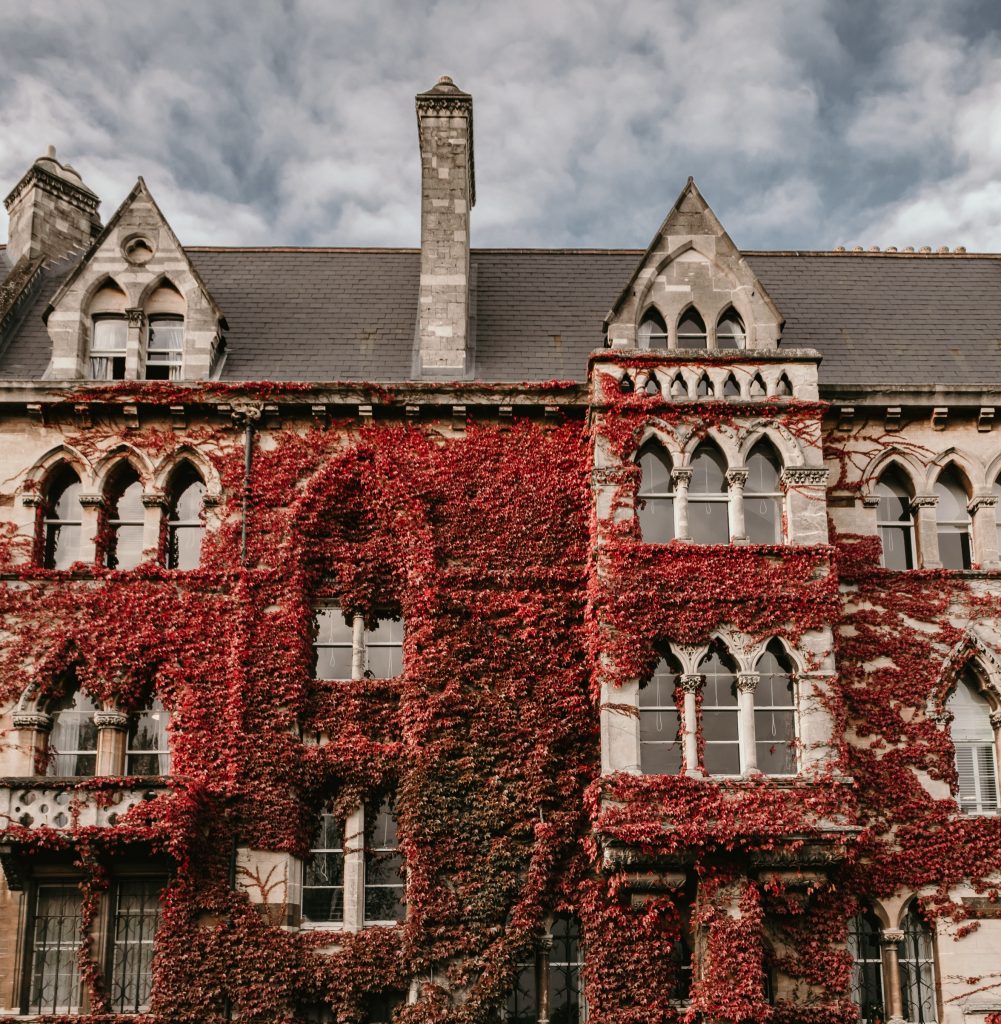
The Paris Institute of Political Studies (Institut d’études politiques de Paris), commonly referred to as Sciences Po, is a higher education institution in France.
An impressive institution with a palpable political standing, it was founded in 1872 in order to promote a new class of French politicians in the aftermath of the French defeat in the Franco-Prussian War.
Since then, it has educated 32 heads of state or government, 7 of the past 8 French Presidents, 3 past heads of the International Monetary Fund, heads of international organizations (including the UN, UNESCO, WTO, IMF, EP and ECB), and 6 of sitting CAC 40 CEOs. Sciences Po has expanded greatly since that time, and now has additional campuses in Dijon, Le Havre, Menton, Nancy, Poitiers, and Reims.

Academic matters
An extremely prestigious institution, Sciences Po ranked 3rd in the world for politics and international studies in 2019, just below Oxford and Harvard. In 2020, it was ranked 242th (7th in France) by QS World University Rankings, and 401-500th in the world (19th in France) by Times Higher Education.
In terms of course structure, the Sciences Po Undergraduate College offers a 3-year Bachelor of Arts degree with a multidisciplinary foundation in the humanities and social sciences with emphasis on civic, linguistic, artistic, and digital training.
On all campuses, students choose a multidisciplinary major, be it Politics & Government, Economies & Societies, or Political Humanities. What’s more, each campus offers a different regional concentration: North America and Africa (Reims), Asia (Havre), Europe (Dijon), Latin America, Spain and Portugal (Poitiers), Middle East-Mediterranean (Menton), and Europe and the Franco-German region (Nancy).
Interestingly, Sciences Po offers dual bachelor’s degrees with Columbia University, Keio University (Japan), University College London, Freie Universität Berlin, University of British Columbia, the University of Sydney, the National University of Singapore, the University of Hong Kong, and the University of California Berkeley. To qualify, students must simultaneously apply to both schools. For more information about dual degrees, see here.
At the graduate level, Sciences Po’s 7 schools offer 1 and 2-year Master’s programmes and PhD programmes. All graduate courses are delivered on the Sciences Po campus in Paris. Sciences Po also hosts dual Master’s programmes with international partners. Students pursuing dual degrees programmes spend 1 year at Sciences Po in Paris and 1 year at the partner university.
Research is also a large part of Sciences Po’s reputation, with an academic community of over 200 researchers and 350 PhD students. Topics covered include history, economics, law, sociology and political science, whilst also incorporating many interdisciplinary topics such as cities, sustainable development, political ecology, globalization and socio-economics.
Student Life
Social and extra-curricular life at Sciences Po is diverse and vibrant. There are over 200 different clubs and societies, all run by students. They range from politics and international relations to charity work. For instance, the society ‘Politiqu’elles’ works to promote gender equality and raise awareness for issues women face in society. Another notable society is ‘Melting Potes’, which helps international students integrate into French society through a buddy system whereby international students are paired with their French peers.
Sciences Po also gets involved in artistic and athletic pursuits. One particularly key event occurs at the end of each academic year. For the event, all of the seven Sciences Po campuses get together for the inter-campus Collegiades de Sciences Po tournament, which is also known as ‘MiniCrit’. Students represent their particular campus and compete against one another in arts (such as singing and dance), and sports competitions (such as football and volleyball). This creates a culture of strong community and healthy competition.
To sum up, if an extremely international and intellectual community appeals to you, Sciences Po may be the perfect place to pursue a degree in Economy & Society, Political Humanities or Politics & Government!!
What is the profile of the students at the Sciences Po?
Because of the high selectivity of the university, we recommend to apply to this university only if you can show excellent academic results and you are sure to obtain a ‘Tres Bien’ grade in the Baccalaureate.
Article written by YOUR DREAM SCHOOL, October 2019

Are you ready to study at Sciences Po?
We’re here to help you.


ESSEC Business School
An internationally renowned school with campuses in Europe and Asia
The Ecole Superieure des Sciences Economiques et Commerciales, known as ESSEC, is a Paris-based Grande École with campuses in France, Singapore and Morocco. It is one of the most selective and prestigious business schools in Europe and together with ESCP and HEC, in France, is referred to as one of the “trois Parisiennes”.
This name puts the three schools into their own separate category as they are considered the best business schools in Paris. Students are admitted via the councours entrance exam at ESSEC and the school has an acceptance rate of just 6% for applicants. Extremely selective, this school is famous for its world-renowned Masters in Management program (MiM) as well as its Bachelor in Business Administration (BBA).
Masters in Management
ESSEC’s flagship Masters in Management program ranks as the 4th best in the entire world, according to QS Top University Guide 2019. The Financial Times, likewise, has the school ranked as high as 3rd worldwide in 3 out of the last 5 years. The MiM program combines the best of a prestigious French ‘Grande École’ experience with a unique exposure to international financial markets through its campuses in Morocco and Singapore. The tri-campus program provides a dual gateway to over 90 partnering business networks in Europe and Asia. Students on the MiM program at ESSEC tend to work 3 days a week at a corporate firm and study for 2 days at the school thanks to the school’s apprentice program. In return, the companies and firms involved will often pay the tuition fees for students at ESSEC.
BBA Program
ESSEC’s BBA program is designed for high-performing candidates that have graduated from secondary school. It lasts a total of 4 years and has been in existence for over 30 years. The BBA program here at ESSEC stands out because it is characterised by exceptional international orientation. Graduated students will have spent at least 1 year working abroad, as well as have spent at least 1 semester in one of ESSEC’s 77 partner universities in 30 different countries around the world. Partnerships with such prestigious universities as McGill in Canada and the Hong Kong University of Science and Technology ensure a wide web of international business networks from which ESSEC students can profit.
Campus Life
Although one school, ESSEC has 3 different campuses in 3 different countries. The France-based campus is located just outside of Paris and 35 minutes from the bustling Parisian business district of La Défense. ESSEC has 2 other campuses in Singapore and Rabat, Morocco, respectively. The tri-campus provides access to 3 important, yet different, business markets and industries around the world. Singapore, with its thriving and innovative technology sector, represents one of the most dynamic and fastest-growing markets in the world.
Morocco is a rising force in the business world and serves as an economic hub, influencing all of West- and Sub-Saharan Africa with its steady growth and powerful culture. With access to such different and diverse financial markets in Africa, Asia, and Europe, ESSEC may be the best internationally connected business school in the world! Its reputation really does speak for itself!
Article written by YOUR DREAM SCHOOL, September 2019
Are you ready to study at ESSEC Paris?
We’re here to help you.