Study at EM Lyon Business School
Tout ce qu’il faut savoir pour réussir votre admission

Why Study at EM Lyon Business School?

EM Lyon Business School, founded in 1872, is one of France’s oldest and most prestigious business schools. Located in the vibrant city of Lyon, France’s second-largest metropolitan area, EM Lyon holds the prestigious triple accreditation (AACSB, EQUIS, and AMBA), a distinction shared by fewer than 1% of business schools worldwide. The school is renowned for its entrepreneurial spirit, with over 30,000 alumni driving innovation across the globe.
EM Lyon stands out for its “early makers” philosophy, encouraging students to think creatively, experiment, and develop an entrepreneurial mindset regardless of their career aspirations. The school has been a pioneer in blending business education with technology and design thinking, offering students a forward-looking curriculum that prepares them for the evolving demands of the global economy.
In 2024, EM Lyon inaugurated its stunning new campus in the heart of Lyon’s Gerland district, a state-of-the-art facility designed to foster collaboration, innovation, and sustainability. This move reinforces the school’s position as a leading institution in European business education.
For more detail, see also: ESSEC Business School: fees, admission (2026).
EM Lyon Programmes and Degrees

Programme Grande Ecole (Master in Management)
The flagship Programme Grande Ecole is a two to three-year Master in Management designed for students seeking a comprehensive business education with strong international exposure. The programme includes mandatory international exchanges with over 190 partner universities worldwide, as well as professional internships. Students can customize their studies through a wide range of specializations and elective courses.
Specialized MSc Programmes
EM Lyon offers several specialized MSc programmes taught in English, including MSc in Management, MSc in Finance, MSc in Digital Marketing and Data Science, and MSc in Strategy and International Business. These programmes attract a highly international cohort and provide focused expertise in key business domains.
Global BBA
The Global BBA is a four-year undergraduate programme that offers students the opportunity to study across multiple campuses and gain international work experience through internships. The programme is ideal for students who want to start their business education immediately after high school with a global perspective.
On the same topic, see our article: emlyon business school: Admissions, Requirements & Fees.
Campus Life at EM Lyon
Lyon is consistently ranked as one of France’s best cities for students, offering an exceptional quality of life at a more affordable cost than Paris. Known as the gastronomic capital of France, Lyon boasts a rich cultural scene, excellent public transport, and a thriving startup ecosystem. The city’s central location provides easy access to the French Alps for skiing, the Mediterranean coast, and major European cities.
EM Lyon’s new Gerland campus features cutting-edge facilities including a makers’ lab, collaborative workspaces, a media studio, and innovative learning environments. With over 50 student associations covering everything from finance and consulting to sports, arts, and social impact, student life is dynamic and engaging.
EM Lyon Admissions Requirements
Admissions requirements vary by programme. For the Programme Grande Ecole (international track):
- Bachelor’s degree or equivalent from a recognized institution
- Competitive GMAT, GRE, or TAGE MAGE score
- English proficiency (TOEFL, IELTS, or Cambridge)
- Strong academic record and extracurricular involvement
- Motivation letter and professional references
- Interview (in-person or virtual)
For the MSc programmes, applicants typically need a four-year bachelor’s degree, strong English proficiency, and relevant academic or professional background in their chosen field of study.
Related reading: EDHEC BBA Score Requirements 2026: Grades & IELTS.
EM Lyon Acceptance Rate and Selectivity
EM Lyon is selective across its programmes. The Programme Grande Ecole has an acceptance rate of approximately 20-25% for international candidates. The school receives thousands of applications each year and carefully selects students based on academic excellence, professional potential, and alignment with the school’s entrepreneurial values.
Cost of Studying at EM Lyon
Tuition fees for the Programme Grande Ecole are approximately EUR 19,500 per year for EU students and EUR 24,000 per year for non-EU students (2025-2026). MSc programme fees range from EUR 22,000 to EUR 30,000 depending on the specialization. Living costs in Lyon are significantly more affordable than Paris, with students typically spending EUR 800-1,200 per month on accommodation, food, and transportation. EM Lyon offers merit-based and need-based scholarships to help offset tuition costs.
Career Outcomes and Employment After EM Lyon
EM Lyon graduates benefit from strong career support and an active alumni network. Within six months of graduation, approximately 90% of Programme Grande Ecole graduates secure employment. Key recruiting sectors include consulting (25%), finance and banking (20%), technology and digital (18%), luxury and consumer goods (12%), and industry (10%). The average starting salary for graduates ranges from EUR 42,000 to EUR 55,000 depending on the programme and sector.
Major recruiters include L’Oreal, LVMH, EY, Deloitte, Capgemini, Sanofi, Amazon, and numerous French and international companies. Lyon’s growing tech and startup ecosystem also provides ample opportunities for entrepreneurially minded graduates.
How EM Lyon Compares to Other Top French Business Schools
EM Lyon is typically ranked among the top 5 business schools in France, alongside HEC Paris, ESSEC, ESCP, and EDHEC. While HEC Paris commands the top spot in most French rankings, EM Lyon distinguishes itself through its strong entrepreneurial focus, innovative pedagogy, and excellent location in France’s second city. The school offers an outstanding balance of academic rigor, practical experience, and international exposure at a more accessible tuition compared to some Parisian institutions.
On the same topic, see our article: Best Business Schools in France for International Students.
Visa and Work Permits for International Students
International students accepted at EM Lyon will need to apply for a French student visa (VLS-TS). EM Lyon’s international office provides comprehensive support throughout the visa process. After graduation, non-EU students can apply for a temporary residence permit to search for employment in France. Lyon’s strong economy and growing international business community make it an attractive destination for graduates seeking to begin their careers in France.
Related reading: Coaching admission Master in France.
Frequently Asked Questions About EM Lyon
Is EM Lyon a good school?
Absolutely. EM Lyon holds the prestigious triple accreditation (AACSB, EQUIS, AMBA), places consistently in the top 5 French business schools, and is well-regarded internationally. Its strong emphasis on entrepreneurship and innovation makes it particularly attractive for students with an entrepreneurial mindset.
Is Lyon a good city for international students?
Lyon is regularly rated one of the best student cities in France. It offers excellent quality of life, a rich cultural scene, world-famous gastronomy, and a lower cost of living than Paris. The city has a large student population and a vibrant international community.
Can I study in English at EM Lyon?
Yes. All MSc programmes are taught entirely in English, and the Programme Grande Ecole offers an English track. While learning French is encouraged and will enhance your experience in Lyon, it is not a requirement for admission to English-taught programmes.
How YourDreamSchool Can Help You Get Into EM Lyon
At YourDreamSchool, our admissions experts have extensive experience guiding international students through the EM Lyon application process. Whether you need help choosing the right programme, crafting compelling application essays, preparing for interviews, or navigating the French visa process, we provide personalized support every step of the way. Contact us today to explore your path to EM Lyon Business School.
Our Google reviews



A few key figures about Your Dream School
They got in with Your Dream School
Reassurance is what matters most when choosing your guidance.
« I felt their authentic and personal engagement and involvement when it came to my daughter, which was extremely precious throughout the process. »
« Your Dream School offers very thorough support: help with drafting essays, preparation for English exams and interviews. I wholeheartedly recommend Your Dream School. »
« Thanks to Your Dream School, the work was perfectly well done, which allowed us to have an intelligent dialogue with our son. »
« I was very satisfied with the care delivered, with the mentoring and the administrative procedures, particularly drafting the personal statement. I highly recommend this mentoring. »
Our Services
Bachelor & Master Admission Coaching
Complete support to build a winning application.
IELTS & TOEFL Preparation
One-on-one tutoring to reach the score your target university requires.
Admission Test Preparation
SAT, ACT, GMAT, GRE, LNAT, MAT: targeted prep to hit the right score.
Academic Tutoring
International academic support (IB, A-Levels, AP) for students aiming abroad.
Study at INSEAD
Tout ce qu’il faut savoir pour réussir votre admission
Why Study at INSEAD?

INSEAD is one of the world’s leading and largest graduate business schools, with campuses in Fontainebleau (France), Singapore, Abu Dhabi, and San Francisco. Founded in 1957, INSEAD has built a reputation for producing global leaders through its intensive, culturally diverse programs. The school consistently ranks among the top business schools worldwide, with its MBA program regularly placed in the top 5 globally by the Financial Times.
What sets INSEAD apart is its truly international DNA. With over 90 nationalities represented in each class, no single nationality accounts for more than 12% of the student body. The school’s motto, “The Business School for the World,” reflects its commitment to preparing leaders who can navigate and thrive in a globalized business environment.
INSEAD’s one-year MBA format is another distinctive feature. While most top MBA programs require two years, INSEAD’s accelerated 10-month program allows students to return to the workforce faster, maximizing return on investment. The school also offers a highly selective PhD programme, executive education, and specialized master’s degrees.
INSEAD Programmes and Degrees
MBA Programme
INSEAD’s flagship MBA is a 10-month intensive programme that attracts approximately 1,000 participants per year across two intakes (September and January). Students can study across multiple campuses, with the flexibility to switch between Fontainebleau and Singapore during the programme. The curriculum covers core business fundamentals in the first two periods, followed by a wide selection of electives in periods three through five.
Master in Finance (MFin)
The INSEAD Master in Finance is designed for experienced finance professionals looking to accelerate their careers. This part-time modular programme spans 18 months and is delivered across the Fontainebleau, Singapore, and Abu Dhabi campuses. Participants typically have 8+ years of experience in financial services.
Executive MBA (GEMBA)
The Global Executive MBA (GEMBA) is a modular programme spread over 14 to 17 months, designed for senior executives with substantial leadership experience. The programme leverages all INSEAD campuses, offering a truly global learning experience while allowing participants to continue their professional activities.
Campus Life at INSEAD Fontainebleau
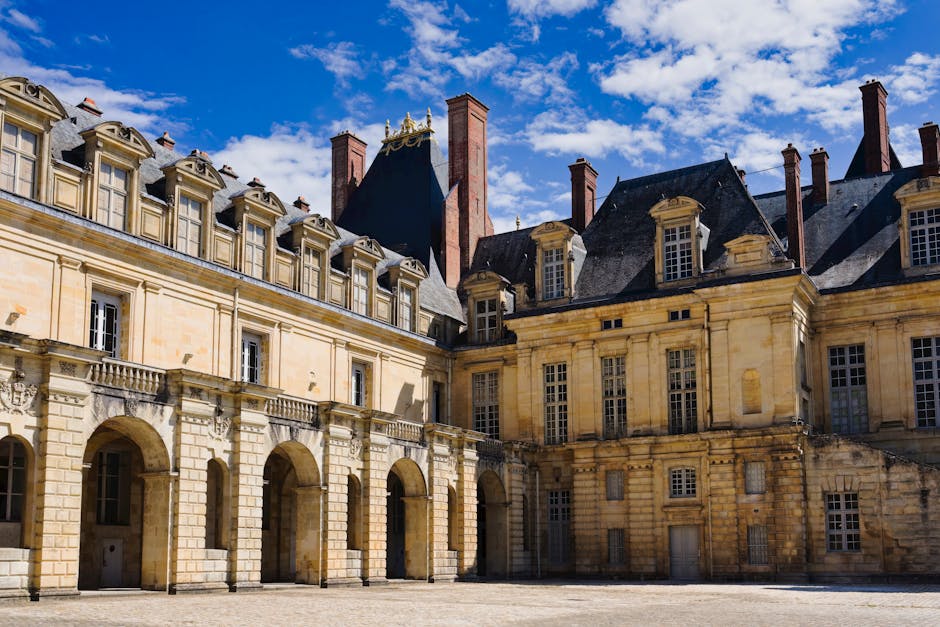
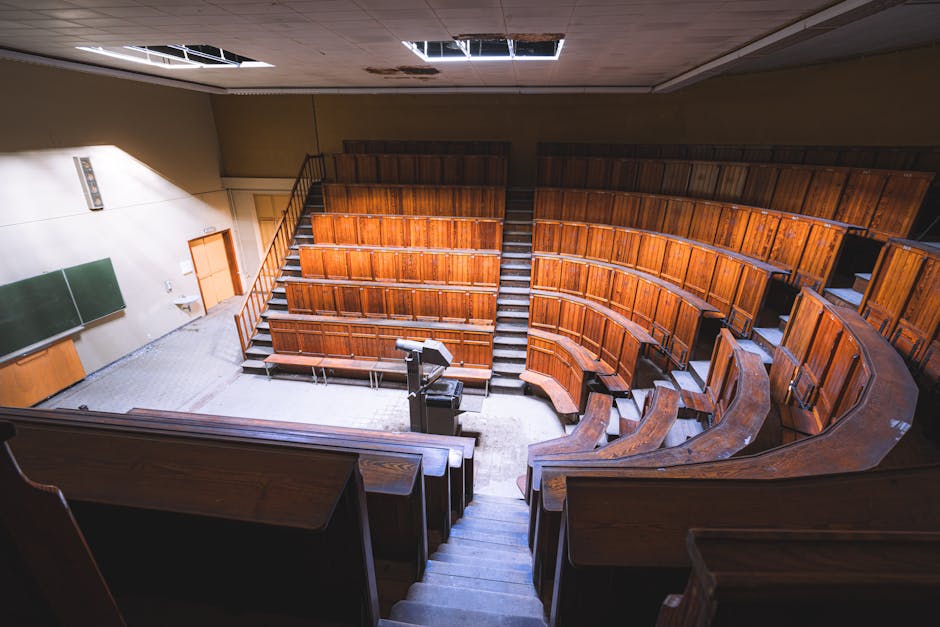
The Fontainebleau campus is set in the historic town of Fontainebleau, approximately 60 kilometers south of Paris. The campus features state-of-the-art facilities including modern amphitheatres, a well-stocked library, numerous breakout rooms, and extensive dining options. The surrounding area offers the famous Fontainebleau forest, a UNESCO World Heritage chateau, and easy access to Paris.
Student life at INSEAD is vibrant and fast-paced. With over 50 clubs and associations, students can explore interests ranging from consulting and entrepreneurship to wine tasting and outdoor sports. The compact 10-month format creates an intense bonding experience, and the alumni network of over 65,000 graduates spans virtually every country in the world.
INSEAD Admissions Requirements
INSEAD’s admissions process is highly competitive. Key requirements include:
- A strong undergraduate degree from a recognized institution
- A competitive GMAT or GRE score (average GMAT for the MBA class is around 710)
- Professional work experience (average is 5-6 years for the MBA)
- Proficiency in English plus a working knowledge of a second language (a third language must be demonstrated before graduation)
- Strong leadership potential and international mindset
- Two professional recommendation letters
- Video interview and in-person or virtual interview
INSEAD Acceptance Rate and Selectivity
INSEAD is extremely selective, with an acceptance rate of approximately 24-28% for the MBA programme. The school receives over 4,000 applications annually for roughly 1,000 places. What makes INSEAD particularly challenging is its emphasis on diversity: the school actively manages the composition of each class to ensure no single nationality dominates, meaning candidates from over-represented countries face steeper competition.
Cost of Studying at INSEAD
The total tuition for the INSEAD MBA programme is approximately EUR 99,500 (as of 2025-2026). When factoring in living expenses in Fontainebleau or Singapore, health insurance, books, and travel between campuses, the total cost of the programme typically ranges from EUR 120,000 to EUR 140,000. INSEAD offers need-based scholarships, merit scholarships, and facilitates access to various loan programs through partner banks.
Career Outcomes and Employment After INSEAD
INSEAD graduates enjoy exceptional career outcomes. Within three months of graduation, over 93% of MBA graduates receive job offers. The median base salary for graduates is approximately USD 120,000, with top earners in consulting and finance significantly exceeding this figure. Key recruiting sectors include consulting (35-40%), technology (20-25%), finance (15-20%), and industry (10-15%).
Top employers include McKinsey, BCG, Bain, Amazon, Google, Goldman Sachs, and numerous leading corporations worldwide. The global nature of the programme means graduates find opportunities across Europe, Asia, the Middle East, and the Americas.
How INSEAD Compares to Other Top Business Schools
INSEAD’s one-year MBA format sets it apart from two-year US programmes at Harvard, Stanford, and Wharton, offering a faster return to the workforce at a lower total cost. Compared to European rivals like LBS and IMD, INSEAD stands out for its larger class size (enabling greater networking opportunities), its multi-campus model, and its language requirement. In global MBA rankings, INSEAD consistently competes with the very best worldwide.
Visa and Work Permits for International Students
International students studying at the Fontainebleau campus will need a French student visa (VLS-TS). INSEAD’s dedicated student services team assists with visa applications and administrative procedures. After graduation, non-EU students can benefit from France’s “recherche d’emploi” post-study work visa, which allows up to one year to find employment in France. Additionally, the French Tech Visa programme offers opportunities for graduates looking to join or start innovative companies.
Frequently Asked Questions About INSEAD
Is INSEAD worth it?
Yes. INSEAD offers one of the highest returns on investment among global MBA programmes due to its shorter duration (10 months vs. 2 years), strong salary outcomes, and powerful global alumni network. The total cost is comparable to or lower than many two-year programmes, while career outcomes rival the best business schools worldwide.
What GMAT score do I need for INSEAD?
While there is no official minimum, the average GMAT score for admitted MBA students is around 710. Competitive applicants typically score 700 or above. However, INSEAD takes a holistic view of applications, and a strong profile can compensate for a score slightly below the average.
Do I need to speak French to study at INSEAD?
The MBA programme is taught entirely in English. However, INSEAD requires proficiency in two languages upon entry and a third by graduation. French is one of the many languages you can choose to learn during the programme, but it is not mandatory.
How YourDreamSchool Can Help You Get Into INSEAD
At YourDreamSchool, our experienced admissions consultants specialize in helping international students navigate the competitive INSEAD application process. From GMAT preparation strategy and essay coaching to interview preparation and scholarship applications, we provide personalized guidance at every step. Our track record of successful INSEAD placements speaks for itself. Contact us today to start your journey to one of the world’s most prestigious business schools.
Our Google reviews
A few key figures about Your Dream School
They got in with Your Dream School
Reassurance is what matters most when choosing your guidance.
« With their help and vast experience, I was able to get admission to both INSEAD and HEC in less than 4 months. »
« I felt their authentic and personal engagement and involvement when it came to my daughter, which was extremely precious throughout the process. »
« Your Dream School offers very thorough support: help with drafting essays, preparation for English exams and interviews. I wholeheartedly recommend Your Dream School. »
« Thanks to Your Dream School, the work was perfectly well done, which allowed us to have an intelligent dialogue with our son. »
Our Services
Bachelor & Master Admission Coaching
Complete support to build a winning application.
IELTS & TOEFL Preparation
One-on-one tutoring to reach the score your target university requires.
Admission Test Preparation
SAT, ACT, GMAT, GRE, LNAT, MAT: targeted prep to hit the right score.
Academic Tutoring
International academic support (IB, A-Levels, AP) for students aiming abroad.
ESCP Business School: Acceptance Rate and Requirements
Tout ce qu’il faut savoir pour réussir votre admission
Why Study at ESCP Business School?

ESCP Business School stands as an unparalleled institution with a claim no other business school can match: it is the world’s first business school, founded in 1819 in Paris as the École Spéciale de Commerce et d’Industrie. Over two centuries later, ESCP has evolved from its Paris roots into a truly European powerhouse, with campuses in six major cities across the continent : Paris, London, Berlin, Madrid, Turin, and Warsaw. This multicampus model is one of ESCP’s defining strengths and a fundamental differentiator from competitors like HEC, ESSEC, and EDHEC, which operate primarily from a single country base or limited locations.
ESCP holds the prestigious Triple Crown accreditation from AACSB, EQUIS, and AMBA, placing it among the world’s top 1% of business schools. The institution is consistently ranked among the top 10 in Europe and maintains an impressive global ranking of #6 in the Financial Times Masters in Management 2025. What truly distinguishes ESCP is not just its historical significance and strong rankings, but its unique value proposition for international students seeking a genuinely European education. At ESCP, you don’t simply study abroad in one city : you experience business education across multiple European capitals, with the flexibility to choose your campus each semester. This European breadth means you gain exposure to different business cultures, regulatory environments, and economic systems while building a truly continental professional network.
The school’s commitment to European integration sets it apart in an increasingly globalized business landscape. ESCP’s curriculum emphasizes comparative business practices across European markets, European law and regulation, and cross-cultural management : making graduates exceptionally well-prepared for careers in multinational corporations, international organisations, and European-focused roles. The school educates leaders from over 140 nationalities across its six campuses, creating a genuinely international community within a distinctly European framework. For students interested in building careers across Europe, whether in London’s financial markets, Berlin’s tech scene, Madrid’s growing startup ecosystem, or Paris’s corporate headquarters, ESCP provides unmatched geographic flexibility and local market expertise.
ESCP’s six-campus model is genuinely unique among top French business schools : you can study simultaneously in Paris, London, Berlin, Madrid, Turin, and Warsaw without changing institutions. This multicampus flexibility, combined with lower tuition than Anglo-American equivalents and strong European employment prospects, makes ESCP the top choice for students seeking a truly continental business education with career optionality across Europe.
To go further, read our guide: Best Business Schools in France for International Students.
Our Google reviews
A few key figures about Your Dream School
Our students admitted to ESCP
Reassurance is what matters most when choosing your guidance.
« Your Dream School offers very thorough support: help with drafting essays, preparation for English exams and interviews. I wholeheartedly recommend Your Dream School. »
« …I managed to get my offer to UCL in London, one of the best English universities, which was my first choice. Their support was consistent and personal. »
« I decided to apply to university in England for my Bachelor’s and I asked Your Dream School to support me. I’m so glad I did! I’m excited to go to London to study next year! »
« I felt their authentic and personal engagement and involvement when it came to my daughter, which was extremely precious throughout the process. »
ESCP Programmes and Degrees

The Grande École Programme (Master in Management)
ESCP’s flagship Grande École programme is a 2-to-3-year Master in Management that represents the gold standard of European business education. The programme is unique in its structure: students spend their first year at one campus (most commonly Paris, though London and Berlin are increasingly popular), the second year at a different European campus, and the third year (for those taking the extended track) at a third location. This campus-rotation model is genuinely distinctive : you receive education in multiple European business contexts, gain fluency in different regulatory and market frameworks, and build a pan-European professional network. The programme covers core business disciplines including finance, strategic management, marketing, operations, and business law, with specialization options in Entrepreneurship, Digital Transformation, Luxury Management, Finance, and European Business. Mandatory professional internships total 12-18 months, typically split between structured work placements across your study years. International students can apply directly after a bachelor’s degree, and the programme offers both French and English-language tracks with full flexibility between them.
MSc Programmes
ESCP offers 12 specialized MSc programmes, each delivered across multiple European campuses, allowing you to choose your study location while maintaining the same degree programme. The portfolio includes MSc in Management with 12 specialisation options: Finance, Luxury & Heritage Management, Digital Business Strategy, Entrepreneurship & Innovation, International Business, Supply Chain Management, Data Analytics & Artificial Intelligence, Corporate Finance, Marketing Analytics, Business Analytics, International Hospitality Management, and Sustainable Finance. All MSc programmes are taught in English, typically combine 12 months of coursework with a 6-month professional internship, and emphasize practical business skills alongside theoretical knowledge. Most MSc students complete their internships at major multinational corporations across ESCP’s European cities or internationally. The flexibility to study in Berlin, London, Paris, Madrid, Turin, or Warsaw, depending on the programme, provides significant geographic advantages and allows you to tailor your education to specific European business ecosystems.
On the same topic, see our article: Choosing your business school.
Campus Life at ESCP
🌍 Six European Campuses
ESCP’s six-campus network is unmatched in the business school world. The Paris campus, located in the 5th arrondissement’s Latin Quarter, places you at the heart of France’s capital and European business hub. London offers access to Europe’s premier financial centre and tech ecosystem. Berlin’s campus sits in the epicentre of Germany’s startup revolution and digital transformation movement. Madrid connects you to Spain’s rapidly growing entrepreneurship scene and expanding multinational corporate presence. Turin provides access to Northern Italy’s manufacturing and luxury goods sectors. Warsaw opens doors to Central and Eastern Europe’s fastest-growing markets. Each campus features modern facilities, dedicated student communities, and local industry connections. Students can study at different campuses semester-by-semester, creating truly personalized European educational journeys. The six-city network also means that wherever you want to work after graduation, London’s finance sector, Berlin’s tech startups, Paris’s luxury conglomerates, or elsewhere, you’ve already built local connections and campus networks.
🤝 Truly International Community
With students representing 140+ nationalities across its European campuses, ESCP is one of the world’s most internationally diverse business schools. Every classroom, project, and social event brings together perspectives from across Europe, Asia, Africa, and the Americas. This genuine diversity is fundamental to ESCP’s educational approach: European business education rooted in a global perspective. The school actively supports international students through multi-language orientation programmes, buddy systems across campuses, and English-language support services. The student body is significantly older and more experienced than at undergraduate institutions : many arrive with 2-4 years of professional experience : creating a sophisticated, mature learning environment. ESCP also runs extensive student clubs and organizations across all campuses, from case competition teams to entrepreneurship clubs to cultural societies, ensuring you build meaningful international friendships alongside your studies.
ESCP Admissions Requirements
Grande École (International Track)
- Bachelor’s degree (any discipline)
- GMAT 660+ or GRE equivalent (recommended)
- TAGE MAGE 310+ (for French-system candidates)
- English proficiency: IELTS 6.5+ or TOEFL 90+
- CV and motivation letter highlighting European interests
- Two professional or academic references
- Video interview (initial screening)
- In-person or video interview (assessment stage)
- Application fee: €100
MSc and Executive MBA
- Bachelor’s degree (MSc) or 5+ years experience (EMBA)
- GMAT 700+ recommended (MSc Finance and competitive programmes)
- Strong academic transcript or professional achievements
- English proficiency: IELTS 7.0+ or TOEFL 100+
- Two professional references required
- Statement of purpose highlighting European career goals
- Video presentation (some programmes)
- Admissions interview (panel-based for EMBA)
- Application fee: €100-€200
ESCP Acceptance Rate and Selectivity
ESCP maintains a competitive but relatively accessible admissions process compared to top-tier competitors. For the Grande École programme, the overall acceptance rate is approximately 15-20%, though this varies significantly by admission track. International direct admissions to the Grande École have an acceptance rate of approximately 20-25%, making ESCP more selective than EDHEC (25-30%) but notably more accessible than HEC Paris (under 5% for internationals). The school receives approximately 8,000 applications annually for its Grande École programme across all tracks, with roughly 1,200-1,500 offers extended globally. For MSc programmes, the acceptance rate ranges from 18-30% depending on programme selectivity : specialized tracks like MSc in Finance and MSc in Luxury & Heritage Management are more competitive. The Executive MBA, targeting mid-career professionals with significant work experience, has an acceptance rate of approximately 30-40%. ESCP uses a rolling admissions process across most programmes, meaning earlier applications have higher acceptance chances. The school takes a holistic approach, considering not just test scores and GPA but also professional experience, motivation, extracurricular activities, and demonstrated interest in European business education.
On the same topic, see our article: Bayes Business School (Cass): Admissions & Fees.
Cost of Studying at ESCP
ESCP offers diverse scholarship opportunities including Merit Scholarships (covering 20-100% of tuition for top applicants), Need-Based Grants (available to EU and some international students), the ESCP Excellence Scholarship for high-achieving international students (up to €10,000/year), and the Eiffel Excellence Scholarship from the French government (covering living expenses for non-EU students). The school also participates in EMBA-specific funding programmes and offers payment plans allowing tuition to be spread across multiple years. International students may qualify for country-specific scholarships through their home governments’ education agreements with France. Additionally, ESCP partners with several banks offering preferential education loans to students; many French banks provide student loans with post-graduation repayment options. Finally, the Alternance (Work-Study) track allows students to have full tuition covered by a company sponsor while earning a salary : an increasingly popular option for Grande École students.
For more detail, see also: Study Abroad: Find the Ideal Master’s Degree for Your Career.
Career Outcomes and Employment After ESCP
ESCP graduates command strong positions across Europe’s leading employers in finance, consulting, technology, luxury, and international business. Grande École graduates show the following employment distribution: finance and banking (28% of graduates, with leading recruiters including Goldman Sachs, JP Morgan, Rothschild, BNP Paribas, and Deutsche Bank), management consulting (22%, including McKinsey, BCG, Bain, Deloitte, and Oliver Wyman), technology and digital (18%, with Google, Amazon, Apple, Microsoft, and European tech leaders frequently recruiting), luxury and consumer goods (15%, led by LVMH, Kering, Richemont, and L’Oréal), and multinational corporations across sectors (17%). ESCP’s European multicampus model creates a distinctive career advantage: graduates have local networks in all six European cities, making them exceptionally attractive to multinational firms seeking employees with cross-European knowledge and pan-European professional relationships.
The school’s Career Development Centre is extraordinarily active, organizing 300+ campus recruitment events and networking activities annually. Major investment banks and consulting firms conduct dedicated ESCP recruitment tours across all campuses. ESCP maintains particularly strong relationships with leading European corporations headquartered in Paris (Danone, Sanofi, Société Générale), London (HSBC, Unilever), Berlin (Siemens, SAP), Madrid (Telefónica, Inditex), and across the continent. MSc graduates in specialized programmes achieve even higher salaries : MSc in Finance graduates average €58,000+ starting salary, with top graduates in investment banking and quantitative roles earning significantly more. The EMBA programme produces graduates with substantial career acceleration, typically seeing 40-50% salary increases within two years. ESCP’s strong entrepreneurship ecosystem has also produced hundreds of successful alumni entrepreneurs; the school runs incubators and startup acceleration programmes on multiple campuses.
To go further, read our guide: Alliance Manchester Business School: Admissions & Fees.
Visa and Work Permits for International Students
ESCP provides dedicated support for international students navigating visa and work permit processes across its European campuses. For non-EU students studying in France (Paris campus), you’ll need a long-stay student visa (Visa Long Séjour Temporaire, VLS-TS), which serves as your residence permit for the first year and is renewable annually. If you’re studying at the London campus, UK student visa rules apply. For Berlin, Madrid, Turin, and Warsaw campuses, EU or bilateral student visa agreements typically apply depending on your nationality and the specific campus. During your studies, regulations vary by country: in France, non-EU students can work up to 964 hours per year; in the UK, post-Brexit restrictions apply; in Germany and other EU locations, more generous work arrangements typically apply. ESCP’s International Relations office provides comprehensive support for understanding requirements specific to your campus choices. After graduation, you’re eligible for different post-study work arrangements depending on which campus you complete your degree from : French-based graduates cantypically access a one-year job-seeker visa (APS), while UK-based graduates may access Graduate Route visas or Skilled Worker sponsorships. ESCP’s position across multiple European labour markets is a significant advantage for international graduates seeking to build post-graduation careers across Europe.
To go further, read our guide: Why is it worth doing a Master’s degree abroad?
Get Expert Guidance for Your ESCP Application
Your Dream School offers personalised ESCP admissions coaching
Our expert consultants have guided hundreds of students through the ESCP admissions process : from Grande École to MSc and EMBA programmes. We provide comprehensive support including TAGE MAGE and GMAT preparation, essay and motivation letter crafting, interview coaching (both video and in-person), and strategic guidance on campus selection for your goals. Whether you’re applying from a French prépa, an international university, or with professional experience for an MSc or MBA, we know exactly what ESCP looks for and how to position your application for success across all six European campuses.
Explore More About Studying in France
Study in France Guide
Complete guide to studying abroad in France, visas, costs, and top institutions.
Study at HEC Paris
France’s #1 business school with programmes, admissions, and career guidance.
TAGE MAGE Guide 2026
Master the entrance exam required for French business school admission.
Our Services
Bachelor & Master Admission Coaching
Complete support to build a winning application.
IELTS & TOEFL Preparation
One-on-one tutoring to reach the score your target university requires.
Admission Test Preparation
SAT, ACT, GMAT, GRE, LNAT, MAT : targeted prep to hit the right score.
Academic Tutoring
International academic support (IB, A-Levels, AP) for students aiming abroad.
Study at HEC Paris
Tout ce qu’il faut savoir pour réussir votre admission

Why Study at HEC Paris?

HEC Paris stands in a class of its own among French and European business schools. Founded in 1881 by the Paris Chamber of Commerce and Industry, it has consistently held the top position in French rankings and competes head-to-head with London Business School, INSEAD, and the Ivy League schools in global prestige. For international students considering France, HEC Paris represents the absolute pinnacle of business education in the country.
The school’s campus in Jouy-en-Josas, a leafy suburb about 20 km southwest of central Paris, offers a residential experience rare among European business schools. The 140-hectare wooded campus includes student residences, sports facilities, restaurants, and a vibrant associative life with over 100 student clubs. This creates an immersive, cohort-driven community experience that is often compared to elite US business schools. Despite the suburban setting, Paris and its professional ecosystem are easily accessible via the RER C train line (approximately 35 minutes to central Paris).
What truly distinguishes HEC Paris is its unmatched network. The HEC alumni association counts over 70,000 members worldwide, including a disproportionate number of Fortune 500 CEOs, heads of state, and entrepreneurs. In France, the “HEC” brand opens virtually every door : from strategy consulting firms like McKinsey and BCG to luxury conglomerates such as LVMH and Kering, investment banks including Rothschild and Lazard, and the highest levels of the French civil service. Internationally, HEC Paris is the most recognised French school by far, with strong employer connections across Europe, Asia, the Middle East, and North America.
HEC Paris is extremely selective. The Grande École programme admits approximately 380 students per year, with the international track (administered separately from the French concours) seeing acceptance rates below 10%. Strong GMAT/GRE scores, excellent academics, and meaningful extracurricular or professional experience are essential. The MBA programme is even more selective, accepting roughly 260 students from over 4,000 applicants annually.
HEC Paris Programmes for International Students

The Grande École Programme : HEC’s Flagship
The Grande École programme (officially the Master in Management, or MiM) is HEC Paris’s signature offering and the most sought-after business degree in France. Ranked #1 worldwide for Masters in Management by the Financial Times in multiple years, this programme is the fast track to elite careers in consulting, finance, luxury, technology, and entrepreneurship. It runs over two to three years, with the first year covering core management fundamentals and the second dedicated to specialisations and professional experience.
International students can enter the Grande École through the international admissions track, which is separate from the French classe préparatoire concours. This track evaluates candidates based on academic transcripts, a competitive GMAT or TAGE MAGE score, motivation letters, and a rigorous oral interview (typically conducted in Paris or by video). The average admitted GMAT score hovers around 710-730, while TAGE MAGE candidates generally need 350+ out of 600 to be competitive. HEC also values diverse profiles : students with engineering, science, humanities, or arts backgrounds are actively encouraged to apply.
MSc Specialised Programmes
HEC Paris offers several highly ranked MSc programmes taught entirely in English, each designed for students who want deep expertise in a specific business domain. These include MSc International Finance (ranked #1 globally by the Financial Times), MSc Strategic Management, MSc Marketing, MSc Sustainability and Social Innovation, MSc Data Science for Business (joint with École Polytechnique), and MSc Innovation and Entrepreneurship. Each programme lasts 10 to 16 months and includes a professional thesis or internship component. These MScs attract students from top universities worldwide and offer strong career outcomes, particularly in Paris, London, and global financial centres.
Campus Life at HEC Paris
🏛️ Campus & Facilities
The Jouy-en-Josas campus spans 140 hectares of parkland and features a state-of-the-art learning centre, the newly renovated “HEC Village” student housing, multiple restaurants and cafés, a gymnasium, tennis courts, and a lake. The campus has undergone significant investment in recent years, including new academic buildings and a digital learning hub. On-campus housing is available (and encouraged) for first-year Grande École and MBA students, fostering a tight-knit community atmosphere. The campus also hosts the HEC Innovation and Entrepreneurship Centre, where student startups are incubated.
🌍 International Student Experience
HEC Paris is profoundly international, with students from over 130 nationalities. The MBA programme is roughly 90% international, while the Grande École’s international intake has grown steadily and now represents about 40% of each cohort. English is the working language for most programmes and campus activities, though French proficiency is a significant advantage for career opportunities in France. The school runs a robust buddy system and orientation programme for international arrivals, and the International Student Association (BDE International) organises cultural events, trips, and networking. HEC also has exchange agreements with 120+ partner universities worldwide.
Admissions Requirements and How to Apply
Grande École (MiM) : International Track
- Bachelor’s degree (any discipline)
- GMAT (700+ recommended) or TAGE MAGE (350+ recommended)
- English proficiency: TOEFL 100+ or IELTS 7.0+
- Motivation letter and CV
- Two academic or professional references
- Oral interview (30 min, in-person or remote)
- Application fee: €150
- Rounds: typically 4 rounds, October-May
MBA Programme
- Bachelor’s degree (any discipline)
- GMAT (average 690, 730+ preferred) or GRE equivalent
- Minimum 3 years professional experience (average: 6 years)
- English proficiency (TOEFL/IELTS if non-native)
- Two professional recommendation letters
- Video essay (online platform)
- Panel interview (in-person or virtual)
- Rolling admissions with 4 rounds
Tuition Fees and Cost of Living at HEC Paris
HEC Paris offers extensive financial support. For the Grande École, need-based and merit-based scholarships can cover up to 100% of tuition : the HEC Foundation awards over €12 million annually in grants. MBA students can access the HEC MBA Scholarship (up to €24,000), Forte Foundation Fellowships (for women), and the Eiffel Excellence Scholarship (French government-funded, covering living expenses for international students). MSc students are eligible for programme-specific merit awards. Additionally, French banks offer preferential student loans (prêts étudiants) at very low rates, often with no repayment until after graduation.
Career Outcomes and Employment After HEC Paris
HEC Paris consistently delivers some of the strongest career outcomes of any business school in Europe. For Grande École graduates, the top-recruiting sectors are management consulting (approximately 30% of the class, with firms like McKinsey, BCG, and Bain hiring heavily from HEC), finance and banking (20%, including Goldman Sachs, JP Morgan, Rothschild, and Lazard), technology (15%, with Google, Amazon, and Microsoft among top recruiters), and luxury and consumer goods (10%, led by LVMH, L’Oréal, and Kering). HEC’s Career Centre organises over 200 company events per year, from on-campus presentations to networking dinners and case study competitions.
For MBA graduates, the salary uplift is substantial : the average post-MBA salary reaches approximately €125,000 three years after graduation, representing a significant return on the programme investment. HEC MBA alumni frequently move into C-suite and senior leadership roles within 10-15 years. The school’s entrepreneurship track is also world-renowned: HEC-founded startups collectively raise hundreds of millions in venture funding each year, and the HEC Incubator has supported over 600 startups since its creation. Notable HEC alumni include François-Henri Pinault (CEO of Kering), Pascal Soriot (CEO of AstraZeneca), and multiple French presidents and ministers.
Visa and Work Permits for International Students
International students accepted to HEC Paris receive support from the school’s dedicated International Affairs office for visa and residence permit applications. Non-EU students will need a long-stay student visa (VLS-TS), which serves as your residence permit for the first year. During your studies, you can work up to 964 hours per year (roughly 20 hours per week). After graduating, you are eligible for a one-year post-graduation job-seeker visa (Autorisation Provisoire de Séjour, or APS), which allows you to work full-time while seeking employment in France. If you secure a job offer with a salary above approximately €40,000 per year (roughly 1.5x the French minimum wage), you can convert to a full work permit. HEC’s strong employer relationships mean that many international graduates successfully transition from student visa to professional status in France.
Get Expert Guidance for Your HEC Paris Application
Your Dream School offers personalised HEC Paris admissions coaching
Our expert consultants have guided hundreds of students through the HEC Paris admissions process : from Grande École to MBA and MSc programmes. We provide comprehensive support including TAGE MAGE and GMAT preparation, essay and motivation letter review, interview coaching, and application strategy. Whether you are applying from a French prépa or an international university, we know exactly what HEC looks for and how to position your candidacy for success.
Explore More About Studying in France
Study in France Guide
Complete guide to studying abroad in France as an international student.
Study at ESSEC
ESSEC Business School : programmes, admissions, costs, and careers.
TAGE MAGE Guide 2026
Everything about the test required for French business school admission.
Our Google reviews
A few key figures about Your Dream School
They got in with Your Dream School
Reassurance is what matters most when choosing your guidance.
« Helping me get an admit to the MiM at HEC Paris, LBS and ESCP. If you want the best business schools in the world, contact Your Dream School! »
« Being supported by Your Dream School gave me a framework and a structure. I was accepted to the majority of the universities I applied to : very happy to start studying in London next year! »
« …I managed to get my offer to UCL in London, one of the best English universities, which was my first choice. Their support was consistent and personal. »
« I decided to apply to university in England for my Bachelor’s and I asked Your Dream School to support me. I’m so glad I did! I’m excited to go to London to study next year! »
Our Services
Bachelor & Master Admission Coaching
Complete support to build a winning application.
IELTS & TOEFL Preparation
One-on-one tutoring to reach the score your target university requires.
Admission Test Preparation
SAT, ACT, GMAT, GRE, LNAT, MAT : targeted prep to hit the right score.
Academic Tutoring
International academic support (IB, A-Levels, AP) for students aiming abroad.
Study at EDHEC Business School
Tout ce qu’il faut savoir pour réussir votre admission

Why Study at EDHEC Business School?

EDHEC Business School has established itself as one of France’s most dynamic and internationally oriented grandes écoles. Founded in 1906 in Lille, EDHEC has evolved from a regional commerce school into a global powerhouse with campuses spanning three continents. What sets EDHEC apart from its French peers, HEC, ESSEC, and ESCP, is its distinctive focus on the intersection of academic research and professional practice, particularly in financial economics, risk management, and entrepreneurship.
EDHEC holds the prestigious Triple Crown accreditation from AACSB, EQUIS, and AMBA : a distinction held by fewer than 1% of business schools worldwide. The school consistently ranks in the top 10 in Europe in the Financial Times Masters in Management ranking, and its MSc in Finance regularly appears in the global top 5. For international students, EDHEC offers an attractive combination of world-class education, multi-campus flexibility (you can study in France, the UK, or Singapore), and significantly lower tuition costs compared to equivalent programmes in the US or UK.
The school’s research centres, particularly the EDHEC-Risk Institute, are globally recognised in the finance industry. EDHEC graduates are actively recruited by the world’s leading financial institutions, consulting firms, and technology companies. The alumni network includes over 50,000 graduates across 130 countries, providing a strong professional foundation for your post-graduation career.
EDHEC is notably more accessible than HEC or ESSEC, with a higher acceptance rate and lower tuition : while still offering comparable career outcomes in finance and consulting. It is one of the best value-for-money options among France’s elite business schools.
Related reading: Best Business Schools in France for International Students.
EDHEC Programmes and Degrees
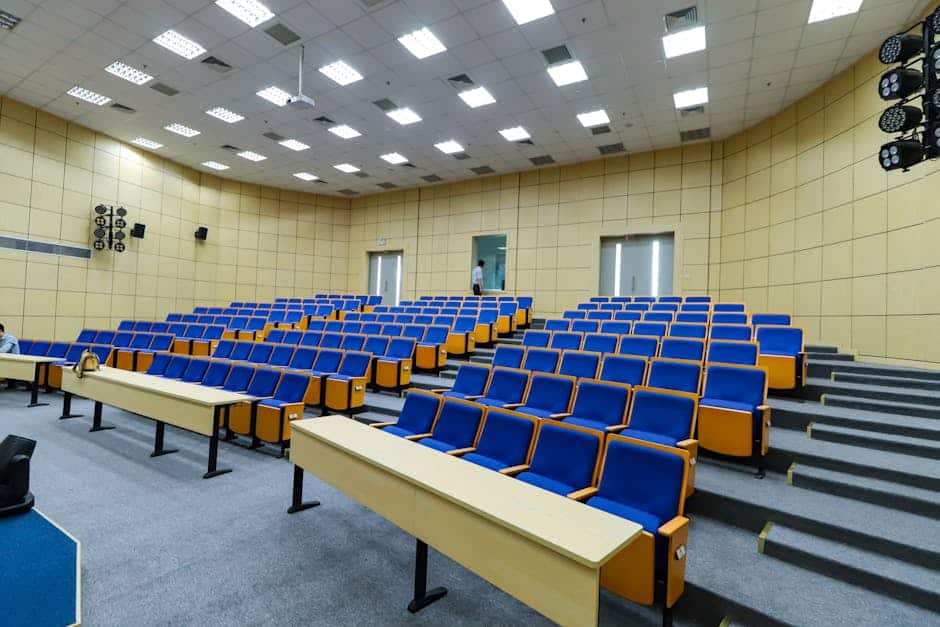
The Grande École Programme (Master in Management)
EDHEC’s flagship Grande École programme is a 2-to-3-year Master in Management (MiM) that accepts students both from French classes préparatoires and through international admissions. The programme is structured in two phases: a foundation year covering core business disciplines (finance, marketing, strategy, operations), followed by one or two years of specialisation. Students choose from tracks including Financial Economics, Business Management, and Global Business : and can complete exchanges at over 280 partner universities worldwide. The programme includes mandatory professional internships totalling 12-18 months, providing substantial real-world experience before graduation. International students can apply directly after completing a bachelor’s degree, and the programme offers both French-taught and fully English-taught options.
MSc Programmes
EDHEC offers 8 specialised MSc programmes, each designed for graduates seeking deep expertise in a specific field. The most prestigious is the MSc in Finance, which consistently ranks in the top 5 globally by the Financial Times : graduates of this programme are heavily recruited by bulge-bracket investment banks, hedge funds, and asset management firms. Other popular MSc tracks include Financial Markets, Corporate Finance and Banking, Marketing Management, Strategy, and Data Analytics and Artificial Intelligence. All MSc programmes are taught entirely in English and include a 6-month professional internship. Many MSc students complete their internship abroad, leveraging EDHEC’s international partner network.
Related reading: Choosing your business school.
Campus Life at EDHEC
🏢 Multi-Campus Advantage
EDHEC’s multi-campus model is one of its greatest strengths. The main campus in Lille offers a purpose-built, state-of-the-art facility in the heart of northern France’s economic capital, with excellent transport links to Paris (1 hour by TGV), Brussels, and London. The Nice campus provides a Mediterranean environment, ideal for the MBA programme and MSc specialisations. The Paris campus, centrally located, hosts executive education and certain MSc tracks. International campuses in London and Singapore extend the EDHEC experience globally, allowing students to spend semesters in different countries without leaving the EDHEC system.
🌍 International Experience
With students representing over 110 nationalities, EDHEC is one of the most internationally diverse business schools in France. Every programme includes an international component : whether through exchange semesters (EDHEC has 280+ partner universities), dual-degree programmes (including options with schools in the US, China, South Korea, and India), or multi-campus mobility. The International BBA in particular is designed for maximum global exposure, with students studying across at least three countries during their 4-year degree. EDHEC also offers dedicated French language courses for non-francophone students and an international student buddy system to help newcomers integrate into French campus life.
For more detail, see also: Alliance Manchester Business School: Admissions & Fees.
EDHEC Admissions Requirements
Grande École (International Track)
- Bachelor’s degree (any discipline)
- GMAT 650+ or GRE equivalent (recommended)
- TAGE MAGE 300+ (for French-system candidates)
- English proficiency: IELTS 6.5+ or TOEFL 90+
- Motivation letter and CV
- Admissions interview (online or in-person)
- Application fee: €100
MSc and MBA Programmes
- Bachelor’s degree (MSc) or 3+ years experience (MBA)
- GMAT 680+ for MSc Finance (avg admitted score)
- Strong academic transcript and GPA
- English proficiency: IELTS 7.0+ or TOEFL 100+
- Professional references (1-2)
- Video or in-person interview
- Application fee: €100-€170
EDHEC Acceptance Rate and Selectivity
EDHEC’s acceptance rate varies significantly by programme. For the Grande École programme through the concours (classes préparatoires track), EDHEC admits approximately 500 students from around 6,000 candidates who rank EDHEC among their top choices : making the effective acceptance rate around 8-10% for the prépa track. For international direct admissions to the Grande École, the acceptance rate is higher at approximately 25-30%, though this varies by year and the quality of the applicant pool. The MSc in Finance, EDHEC’s most competitive specialised programme, admits roughly 15-20% of applicants, with an average admitted GMAT score of approximately 690. The International BBA has an acceptance rate of around 20-25% for international candidates. Overall, while EDHEC is more accessible than HEC Paris (which admits fewer than 5% of international applicants), it remains a highly selective institution where a strong academic profile and test scores are essential for admission.
Cost of Studying at EDHEC
EDHEC offers a comprehensive range of financial support. The EDHEC Excellence Scholarship covers up to 100% of tuition for top-performing students. Need-based grants (bourses sociales) are available for French and EU students through CROUS. International students can apply for the EDHEC International Scholarship (up to €8,000/year), the Eiffel Excellence Scholarship (French government-funded, covering living expenses for non-EU students), and various programme-specific merit awards. MBA students may be eligible for Forté Foundation Fellowships (for women) and the EDHEC Alumni Foundation grants. French banks also offer preferential student loans (prêts étudiants) with very favourable terms, often requiring no repayment until after graduation. Additionally, EDHEC’s apprenticeship track (alternance) allows students to have their tuition fully paid by a corporate partner while earning a salary : a uniquely French advantage.
Related reading: EDHEC BBA Admission 2026: Requirements & How to Apply.
Career Outcomes and Employment After EDHEC
EDHEC graduates are consistently recruited by top-tier employers across finance, consulting, technology, and luxury goods. For Grande École graduates, the leading recruitment sectors are finance and banking (approximately 30% of the class, with firms like BNP Paribas, Société Générale, Rothschild, and Lazard among top recruiters), management consulting (20%, including McKinsey, BCG, Bain, Oliver Wyman, and Deloitte), technology and digital (15%, with Google, Amazon, Microsoft, and L’Oréal Digital frequently hiring), and consumer goods and luxury (10%, led by LVMH, L’Oréal, and Kering).
EDHEC’s particular strength in finance is reflected in its MSc in Finance graduates, who achieve some of the highest starting salaries of any European programme : averaging over €55,000, with top performers in investment banking and quantitative finance earning significantly more. The EDHEC-Risk Institute’s reputation in the finance industry opens doors that few other schools can match, particularly in asset management, risk management, and financial engineering roles. EDHEC’s Career Centre organises over 200 corporate events per year, including dedicated recruitment fairs, networking events, and case study competitions. The school also has a strong entrepreneurship ecosystem: the EDHEC Entrepreneurs incubator has supported hundreds of startups, and the school runs the annual EDHEC Startup Academy.
Related reading: Why is it worth doing a Master’s degree abroad?
Visa and Work Permits for International Students
International students accepted to EDHEC receive dedicated support from the school’s International Relations office for visa and residence permit applications. Non-EU students will need a long-stay student visa (VLS-TS), which functions as your residence permit for the first year. During your studies, you can work up to 964 hours per year (roughly 20 hours per week), which many EDHEC students use for part-time consulting projects or internships. After graduating, you are eligible for a one-year post-graduation job-seeker visa (Autorisation Provisoire de Séjour, or APS), allowing you to work full-time while seeking employment in France. If you secure a job with a salary above approximately €40,000 per year, you can convert to a full work permit. EDHEC’s location in Lille is particularly advantageous for international career seekers : the city has a growing tech and finance hub, and its proximity to Brussels, London, and Paris via high-speed rail means you can access employment markets across multiple European capitals.
To go further, read our guide: Bayes Business School (Cass): Admissions & Fees.
Get Expert Guidance for Your EDHEC Application
Your Dream School offers personalised EDHEC admissions coaching
Our expert consultants have guided hundreds of students through the EDHEC admissions process : from Grande École to MBA and MSc programmes. We provide comprehensive support including TAGE MAGE and GMAT preparation, essay and motivation letter review, interview coaching, and application strategy. Whether you are applying from a French prépa or an international university, we know exactly what EDHEC looks for and how to position your candidacy for success.
Explore More About Studying in France
Study in France Guide
Complete guide to studying abroad in France as an international student.
Study at HEC Paris
France’s #1 business school : programmes, admissions, and careers.
TAGE MAGE Guide 2026
Everything about the test required for French business school admission.
Our Google reviews
A few key figures about Your Dream School
They got in with Your Dream School
Reassurance is what matters most when choosing your guidance.
« Being supported by Your Dream School gave me a framework and a structure. I was accepted to the majority of the universities I applied to : very happy to start studying in London next year! »
« …I managed to get my offer to UCL in London, one of the best English universities, which was my first choice. Their support was consistent and personal. »
« I decided to apply to university in England for my Bachelor’s and I asked Your Dream School to support me. I’m so glad I did! I’m excited to go to London to study next year! »
« I felt their authentic and personal engagement and involvement when it came to my daughter, which was extremely precious throughout the process. »
Our Services
Bachelor & Master Admission Coaching
Complete support to build a winning application.
IELTS & TOEFL Preparation
One-on-one tutoring to reach the score your target university requires.
Admission Test Preparation
SAT, ACT, GMAT, GRE, LNAT, MAT : targeted prep to hit the right score.
Academic Tutoring
International academic support (IB, A-Levels, AP) for students aiming abroad.
Study at Sciences Po
A prestigious French institution with an impressive political and intellectual standing

The Paris Institute of Political Studies (Institut d’études politiques de Paris), commonly referred to as Sciences Po, is a higher education institution in France.
An impressive institution with a palpable political standing, it was founded in 1872 in order to promote a new class of French politicians in the aftermath of the French defeat in the Franco-Prussian War.
Since then, it has educated 32 heads of state or government, 7 of the past 8 French Presidents, 3 past heads of the International Monetary Fund, heads of international organizations (including the UN, UNESCO, WTO, IMF, EP and ECB), and 6 of sitting CAC 40 CEOs. Sciences Po has expanded greatly since that time, and now has additional campuses in Dijon, Le Havre, Menton, Nancy, Poitiers, and Reims.
Academic matters
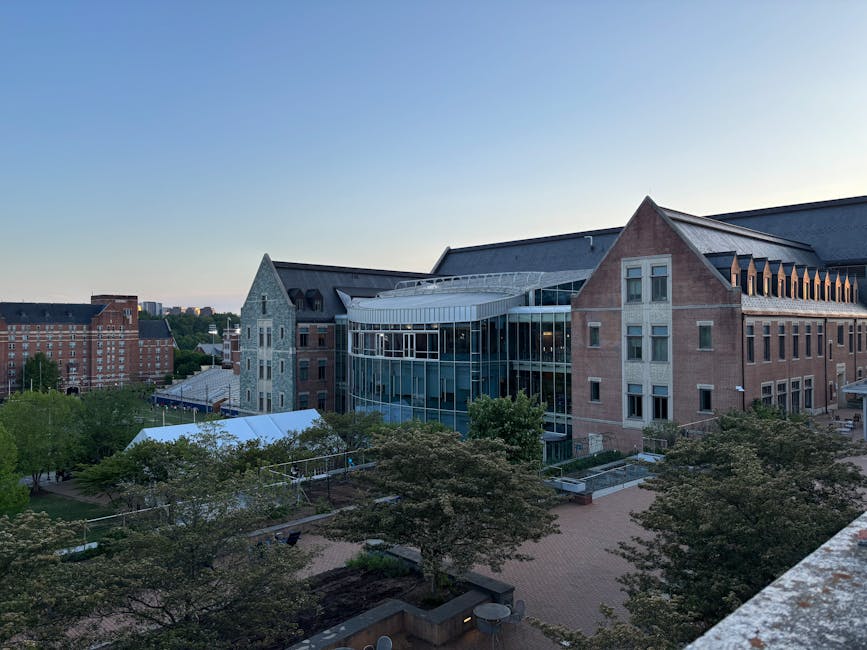
An extremely prestigious institution, Sciences Po ranked 3rd in the world for politics and international studies in 2019, just below Oxford and Harvard. In 2020, it was ranked 242th (7th in France) by QS World University Rankings, and 401-500th in the world (19th in France) by Times Higher Education.
In terms of course structure, the Sciences Po Undergraduate College offers a 3-year Bachelor of Arts degree with a multidisciplinary foundation in the humanities and social sciences with emphasis on civic, linguistic, artistic, and digital training.
On all campuses, students choose a multidisciplinary major, be it Politics & Government, Economies & Societies, or Political Humanities. What’s more, each campus offers a different regional concentration: North America and Africa (Reims), Asia (Havre), Europe (Dijon), Latin America, Spain and Portugal (Poitiers), Middle East-Mediterranean (Menton), and Europe and the Franco-German region (Nancy).
Interestingly, Sciences Po offers dual bachelor’s degrees with Columbia University, Keio University (Japan), University College London, Freie Universität Berlin, University of British Columbia, the University of Sydney, the National University of Singapore, the University of Hong Kong, and the University of California Berkeley. Application routes and deadlines vary by dual degree. Check the official guidance for your chosen programme before applying. For more information about dual degrees, see here.
At the graduate level, Sciences Po’s 7 schools offer 1 and 2-year Master’s programmes and PhD programmes. All graduate courses are delivered on the Sciences Po campus in Paris. Sciences Po also hosts dual Master’s programmes with international partners. Students pursuing dual degrees programmes spend 1 year at Sciences Po in Paris and 1 year at the partner university.
Research is also a large part of Sciences Po’s reputation, with an academic community of over 200 researchers and 350 PhD students. Topics covered include history, economics, law, sociology and political science, whilst also incorporating many interdisciplinary topics such as cities, sustainable development, political ecology, globalization and socio-economics.
Student Life

Social and extra-curricular life at Sciences Po is diverse and vibrant. There are over 200 different clubs and societies, all run by students. They range from politics and international relations to charity work. For instance, the society ‘Politiqu’elles’ works to promote gender equality and raise awareness for issues women face in society. Another notable society is ‘Melting Potes’, which helps international students integrate into French society through a buddy system whereby international students are paired with their French peers.
Sciences Po also gets involved in artistic and athletic pursuits. One particularly key event occurs at the end of each academic year. For the event, all of the seven Sciences Po campuses get together for the inter-campus Collegiades de Sciences Po tournament, which is also known as ‘MiniCrit’. Students represent their particular campus and compete against one another in arts (such as singing and dance), and sports competitions (such as football and volleyball). This creates a culture of strong community and healthy competition.
To sum up, if an extremely international and intellectual community appeals to you, Sciences Po may be the perfect place to pursue a degree in Economy & Society, Political Humanities or Politics & Government!!
What is the profile of the students at Sciences Po?
Check the admissions procedure that matches your qualification and chosen programme. Applicants preparing a French baccalaureate normally apply through Parcoursup; other qualifications follow the relevant international route. Dual degrees have their own procedures and deadlines.
For more detail, see also: Studying Social Sciences abroad.
Are you ready to study at Sciences Po?
We’re here to help you succeed in your application.
Our Services
Bachelor & Master Admission Coaching
Complete support to build a winning application.
IELTS & TOEFL Preparation
One-on-one tutoring to reach the score your target university requires.
Admission Test Preparation
SAT, ACT, GMAT, GRE, LNAT, MAT: targeted prep to hit the right score.
Academic Tutoring
International academic support (IB, A-Levels, AP) for students aiming abroad.
Sciences Po tuition fees (2026-2027)
For the Bachelor’s degree at the Collège universitaire, tuition for 2026-2027 ranges from €0 to €14,900 per year for EU/EEA fiscal residents, calculated on a sliding scale based on family income. Students whose tax household is outside the EU/EEA pay the full rate of €14,900 per year (source: Sciences Po official fee schedule). Note that Sciences Po’s dual bachelor’s degrees (with Columbia, UC Berkeley, UCL, NUS, Keio and others) have their own fee structures set with each partner university.
Related reading: Choosing the right Social Sciences course.
ESSEC Business School
An internationally renowned school with campuses in Europe and Asia

The Ecole Superieure des Sciences Economiques et Commerciales, known as ESSEC, is a Paris-based Grande École with campuses in France, Singapore and Morocco. It is one of the most selective and prestigious business schools in Europe and together with ESCP and HEC, in France, is referred to as one of the “trois Parisiennes”.
Admission depends on the programme and your qualifications. The Global BBA and Master in Management have separate selection procedures; a single acceptance rate does not describe both.
Masters in Management
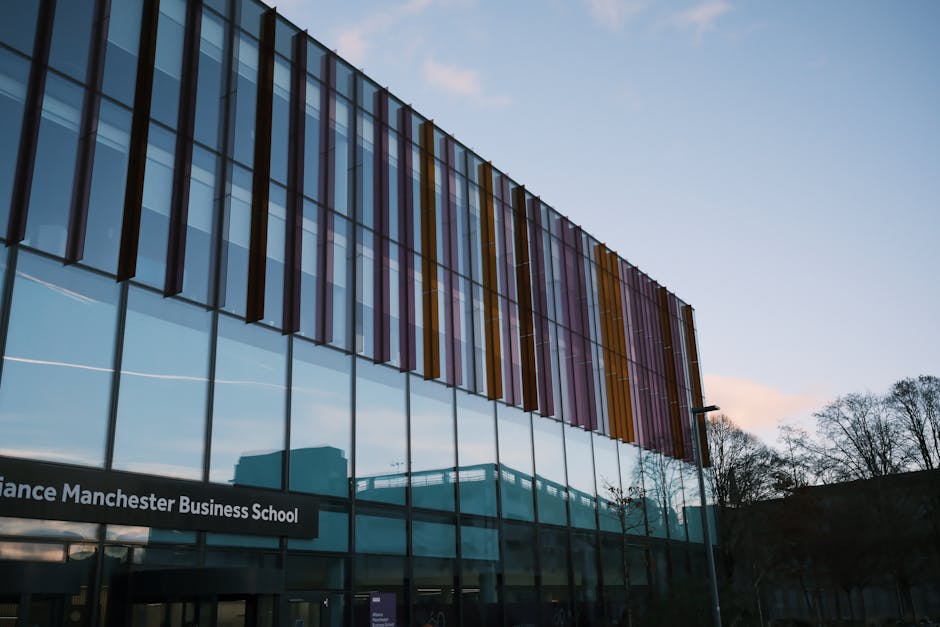
The Master in Management has an admissions route for university graduates. Check diploma eligibility, management and English tests, supporting documents and interview requirements in the official procedure. Apprenticeships are available within the Flexible Track, subject to securing a contract; they are not the standard timetable for every student.
To go further, read our guide: EDHEC BBA Admission 2026: Requirements & How to Apply.
BBA Program
The Global BBA is a four-year degree offered in Cergy, Singapore and Rabat. It includes professional experience and international exchanges. Applicants with an international school diploma follow the international procedure; applicants with a French baccalaureate should consult the SESAME route. Check the calendar for your intake and campus.
Campus Life

Although one school, ESSEC has 3 different campuses in 3 different countries. The France-based campus is located just outside of Paris and 35 minutes from the bustling Parisian business district of La Défense. ESSEC has 2 other campuses in Singapore and Rabat, Morocco, respectively. The tri-campus provides access to 3 important, yet different, business markets and industries around the world. Singapore, with its thriving and innovative technology sector, represents one of the most dynamic and fastest-growing markets in the world.
Campus options depend on the programme and study track. Check the location, teaching language and mobility conditions before choosing your application preferences.
Admissions and programme information reviewed on 29 September 2026. For tuition fees and funding, consult the financing section of the relevant official programme page.
Related reading: Choosing your business school.
Are you ready to study at ESSEC Paris?
We’re here to help you succeed in your application.
Our Services
Bachelor & Master Admission Coaching
Complete support to build a winning application.
IELTS & TOEFL Preparation
One-on-one tutoring to reach the score your target university requires.
Admission Test Preparation
SAT, ACT, GMAT, GRE, LNAT, MAT: targeted prep to hit the right score.
Academic Tutoring
International academic support (IB, A-Levels, AP) for students aiming abroad.