
In this article
- The application
- The program
- Student life
- After ESADE
Suzanne graduated from ESADE’s Bachelor in Business Administration this summer and is now doing a master’s at LSE. She sat down with Your Dream School and a student applying to the ESADE BBA this autumn to talk through the application, the program, and life in Barcelona.
Tell us a bit about your background.
I did my lycée in Paris and took the French bac with maths and economic and social sciences as my specialities. I graduated with très bien honours. Before that, I lived in Japan for three years, from age 10 to 13, and I built my ESADE application around that international side of my life.
Why did you choose ESADE?
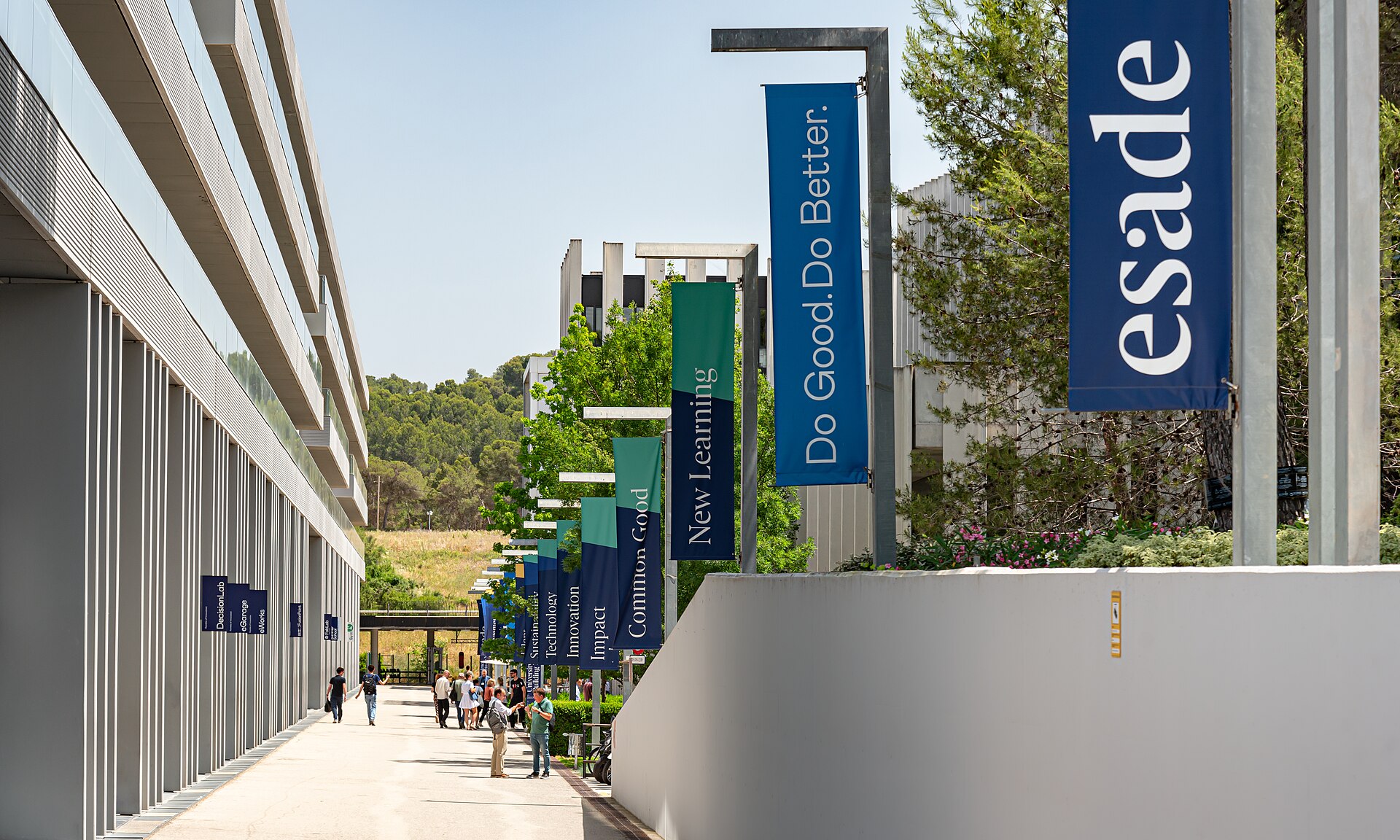
Like a lot of students in their final year, I wanted to study abroad, and I applied to several schools. ESADE won for two reasons. First, I was learning Spanish and wanted to keep going, and ESADE has weekly Spanish classes. Over four years you improve a lot. Second, the BBA is very broad. You study finance, marketing, economics and more, so you don’t have to commit to one path right after high school. I didn’t know what I wanted to do at 18, so that mattered to me.
The application
When should you apply?
As early as you can. Applications open around October, and October or November is a very good time to submit. I sent mine in mid-November, took the admission test at the end of November, and got my decision around late January or early February. So about two months.
How much does the admission test count?
When I took it, it had three parts: maths, English (an essay plus a grammar section), and logic. My essay topic was how I learned a new language and why it was useful.
Don’t stress too much about it. It doesn’t make or break your application. It mostly shows the school your strengths and weaknesses so they can support you. Some of my friends whose English part was weaker came to campus about 10 days early for business English classes. What ESADE looks for is consistency across your whole profile.
How should you present your extracurriculars?
It’s better to have three activities you develop well than a long list you say nothing deep about. For each one, explain how it shaped you and how you’d continue it at ESADE.
What makes a strong essay?
Answer the core questions. Why a BBA? Why business? How does the program get you to your long-term goals? Then show how you’d fit into the ESADE community. Look at the clubs and societies and say which ones you’d join. It shows you can picture yourself as an ESADE student.
What mistakes do applicants make?
Waiting too long to apply, and focusing only on grades. ESADE wants to see your other interests too.
The program
How is the BBA structured?
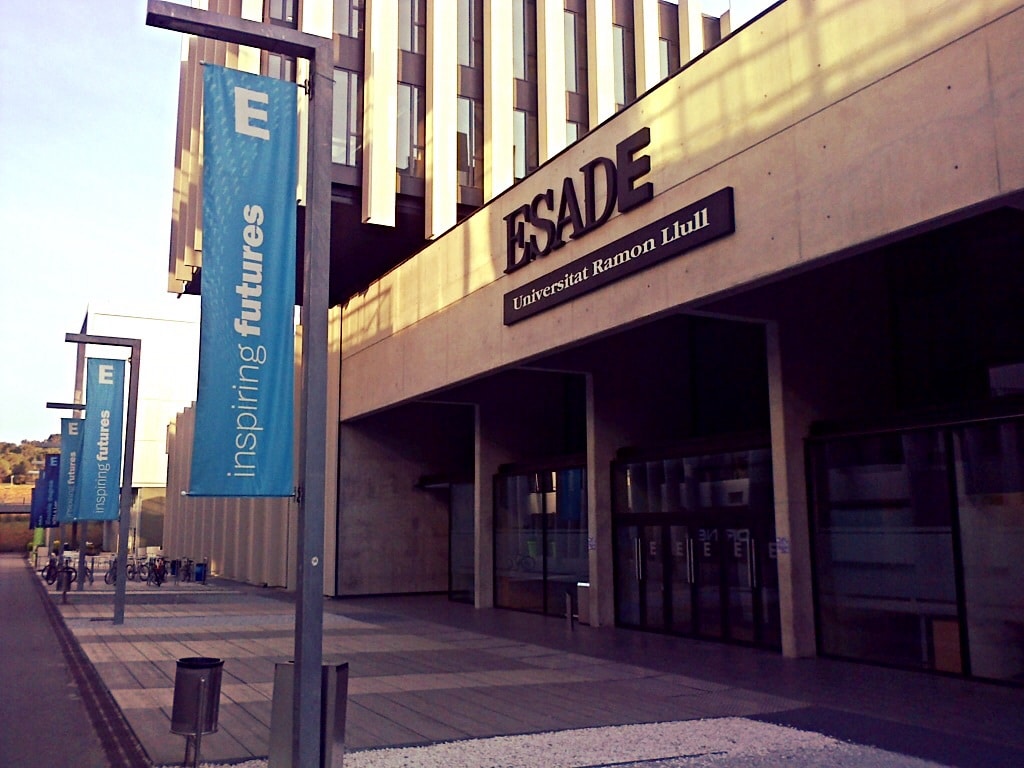
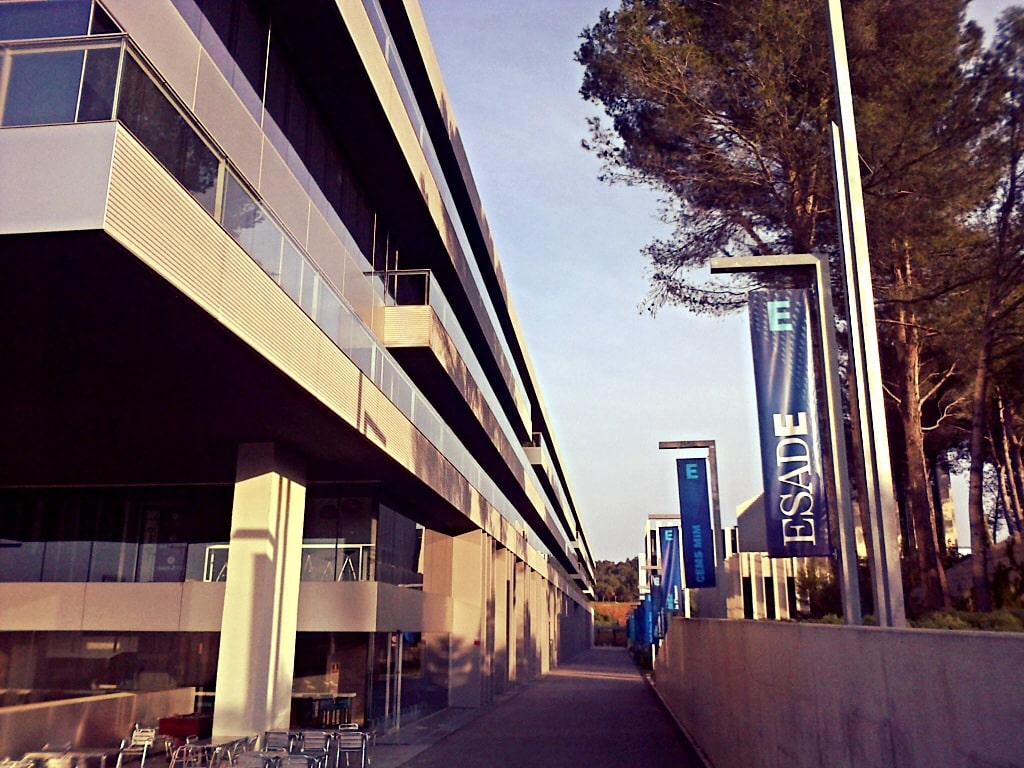
It runs for four years. You spend the first three on the campus in Sant Cugat, just outside Barcelona. Each year has two semesters: September to December, then February to June. In the fourth year you do a semester abroad and an internship, in whichever order you like. I did my exchange from September to December and my internship from January to June.
How do classes and electives work?
Each semester you have a set of core courses you take with your section. On top of those, you choose electives. You can now pick a minor, and the options include entrepreneurship, finance and data analytics. If you choose a minor, you take electives from it. If not, you can choose almost anything: creative writing, asset management, even Excel and PowerPoint, which turn out to be very useful.
There’s also a dedicated electives period of about three weeks in January, between the two semesters. I took around 12 electives over three years. My advice is to start in first year. If you leave them all for the end of second year, it gets far too intense.
How are you assessed?
Exams usually count for more than 50% of your final grade, with midterms around October and April. Almost every subject also has at least one group project that counts for a good share of the grade. Those projects teach you to work in a team, build a presentation and speak in front of a crowd. I wasn’t comfortable presenting in high school, and ESADE really helped with that. Participation and small quizzes make up the last 5 to 10%.
What’s the workload like?
Heavy. Compared with a French university, you have classes every day, several hours a day. Sections run either in the morning (about 8am to 2pm) or the afternoon (about 2pm to 8pm). Electives fall outside your section’s hours, so most of my days ended up looking more like 8 to 5. Every class also comes with readings and exercise sets.
My biggest tip is to be very organised and fully focused in class. Listen closely, take good notes and ask your questions on the spot. It saves you a huge amount of time later.
What about the exchange?
It’s mandatory, and you choose from more than 80 partner universities. Places are allocated by grades, so the students with the highest grades choose first. I went to Santiago, Chile, and it was the best experience ESADE gave me. You learn so much about yourself.
And the solidarity internships?
They’re very interesting. I didn’t do one, but several friends did and said they learned a lot. They last about a month and a half to two months, and you go with the ESADE community, so you’re never on your own. You need specific preparatory electives, so decide during second year if you want to do one.
How good are the career services?
Very good. You can book sessions with a career coach, get help with your CV and cover letters, and get guidance if you’re unsure what to apply for. Companies also come to campus every year to present themselves. In finance, that showed us the differences between investment banking, private equity and private wealth management. Many consulting firms come too.
Student life
What’s the atmosphere like on campus?
Very social and lively. In first year everyone is new, so everyone talks to everyone. The community is diverse. The largest groups are Spanish, Italian, German and French, and you also have classmates from the US, South America and across Europe. The school organises lots of events in the first weeks, so making friends comes easily.
What are the clubs like?
There are sports clubs (tennis, football, rugby, cheerleading, dance) and professional ones (investment, private equity, fintech), plus the student newspaper. Societies are selective, and you apply to join. Once you’re in, you get a strong network. Overall the society scene is more professional than social.
Where do students live?
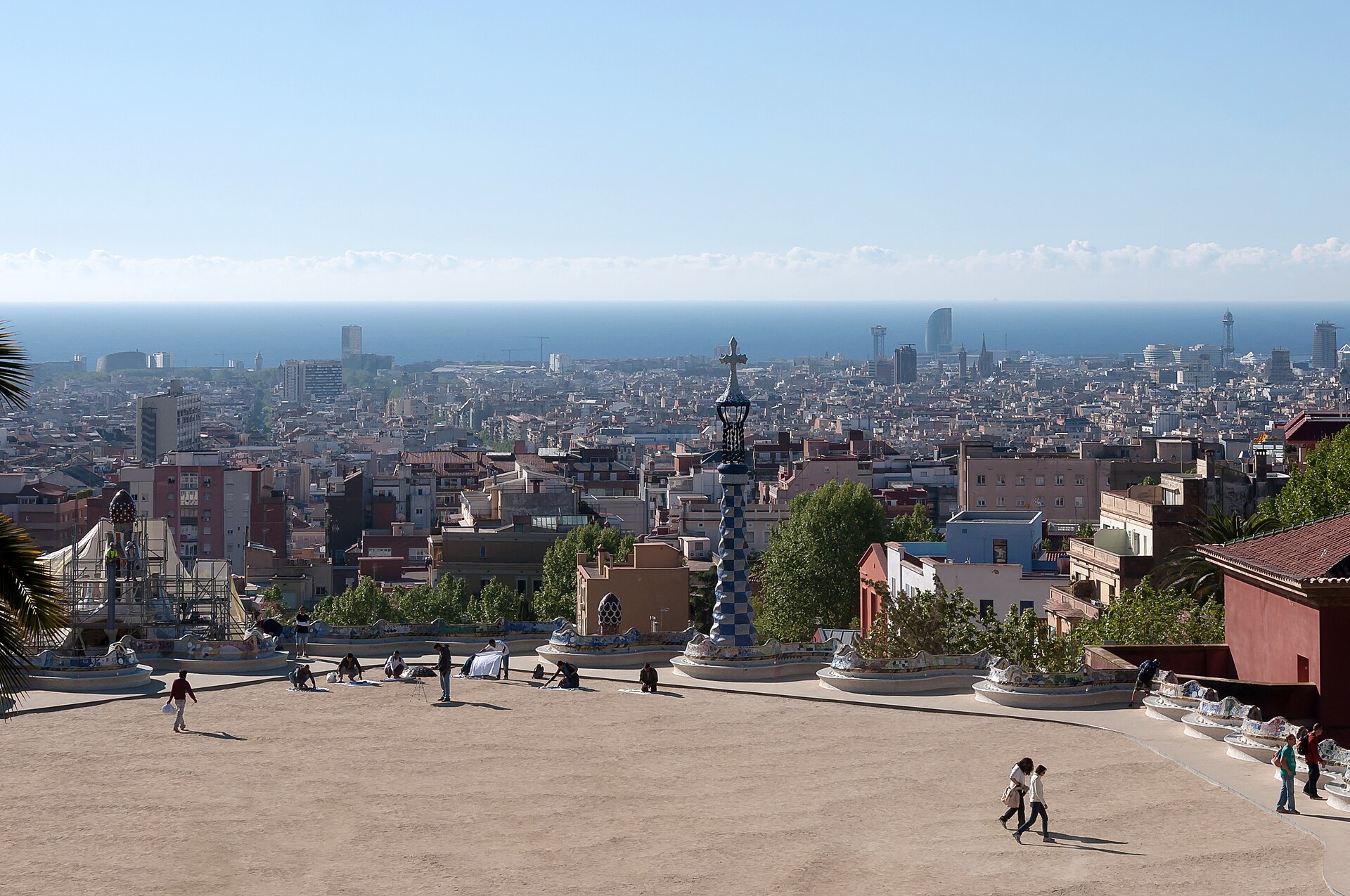
In first year I lived in the student residence on campus. It’s great for that first year because you meet everyone and your friends live right across the hall. After that, most students move into Barcelona and share flats. We lived around central stations like Provença and Plaça Catalunya, with a direct train to campus. The commute is about 45 minutes to an hour, and the trains are very easy to use.
What does it cost?
Rent depends on the flat and how many of you share it. In second year I shared with three people in the city centre and paid about €650 a month. In third year I shared a really nice apartment with one other person and paid about €950.
For transport, you get a pass with 90 days of unlimited travel. When I had mine it cost around €40. You can order it online, but mine took two to three weeks to arrive, so applying in person may be quicker. Groceries at discount supermarkets like Lidl ran me about €30 to €40 a week. Going out is affordable, especially compared with London.
What’s Barcelona like as a student city?
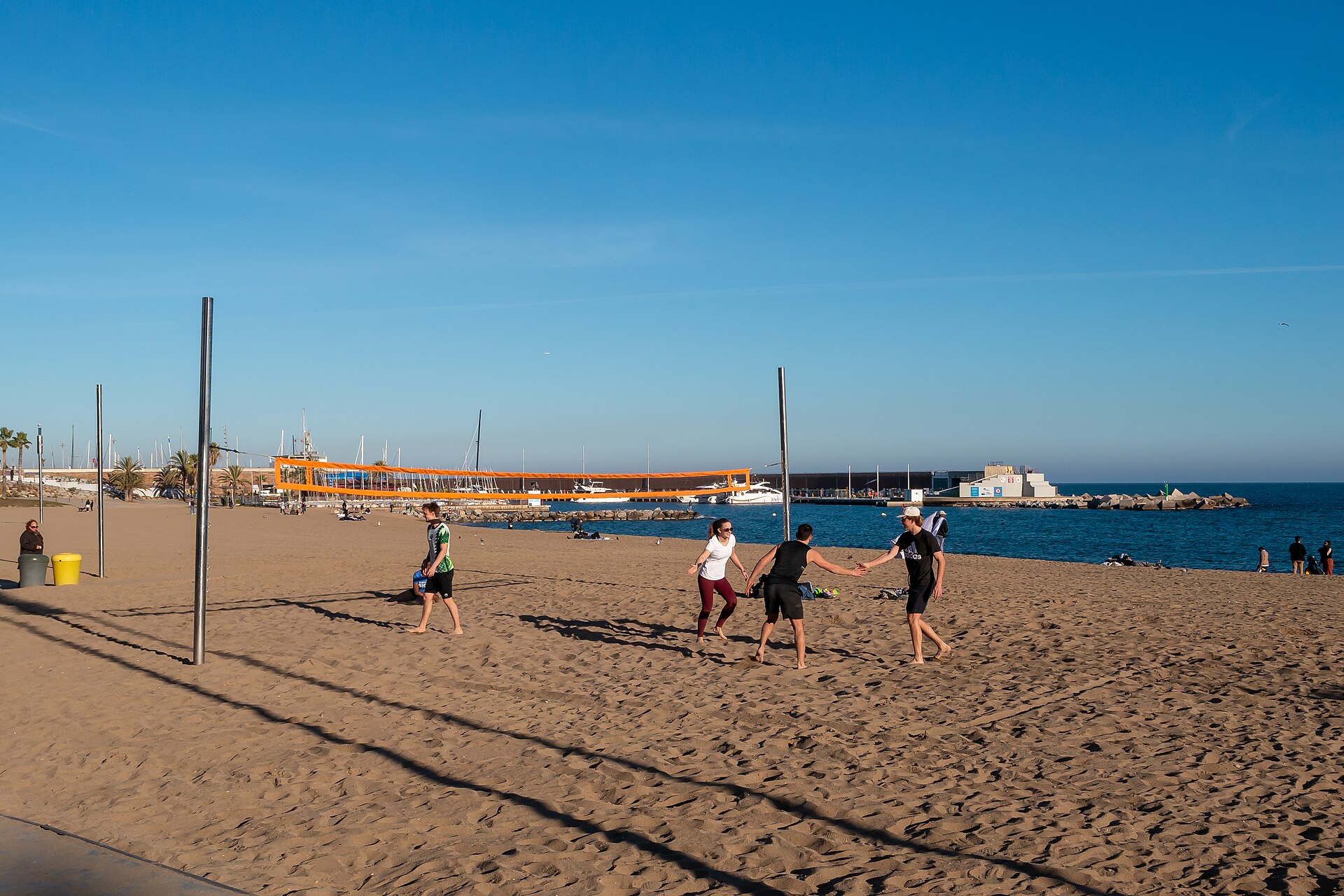
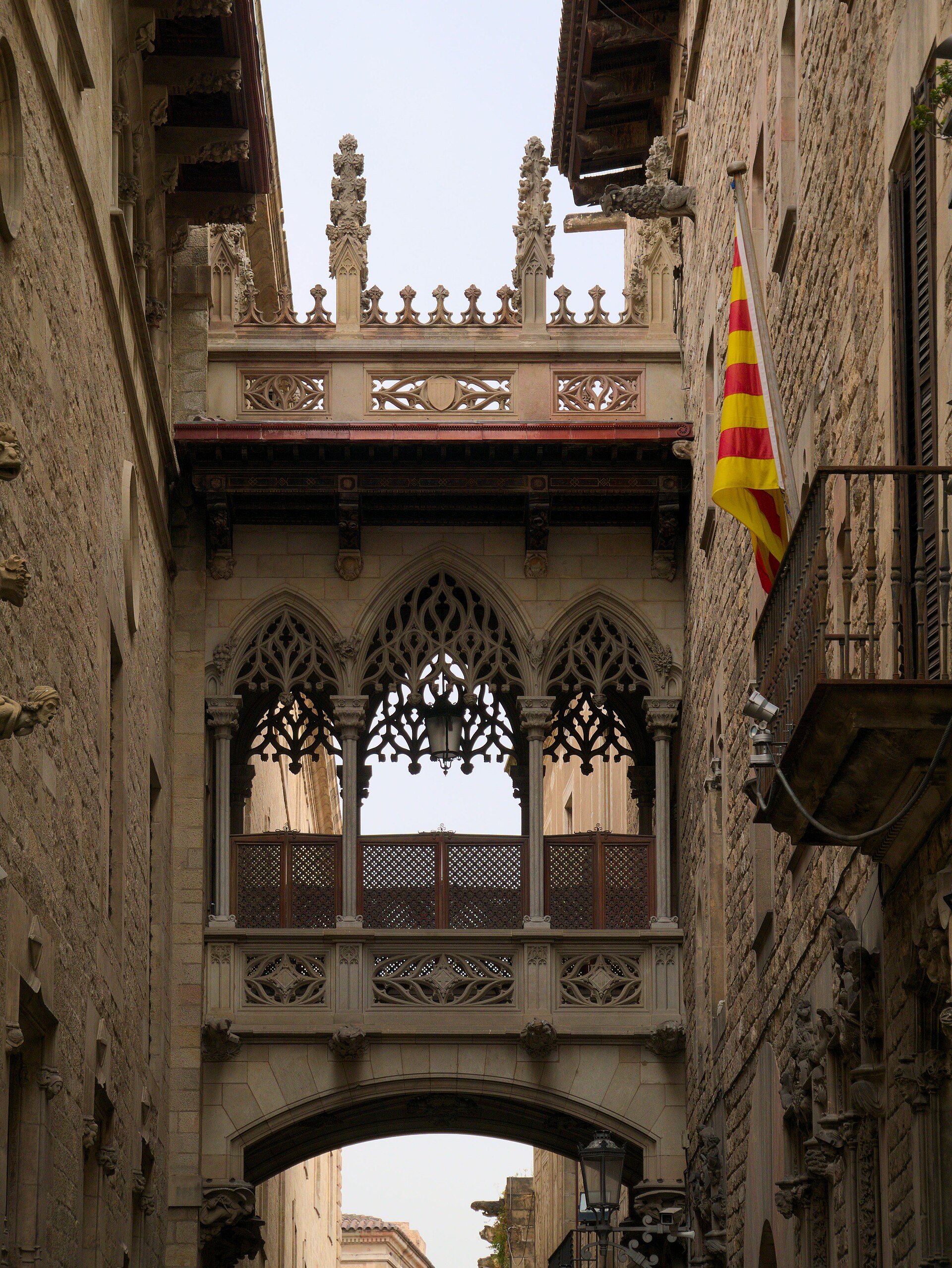
If you’re going to live in Barcelona, do it as a student. The city is lively and welcoming, with a good balance between social life and a healthy, active lifestyle. There’s a big sports culture, including a huge padel community.
How did ESADE change you?
ESADE’s motto is “Do good. Do better.” Moving abroad to a new city, a new school and a new language makes you grow up fast. You become independent and mature, and that stays with you for the rest of your adult life.
After ESADE
Why did you choose LSE for your master’s?
At the end of my second year, I did a three-week finance summer school at LSE. I loved the teaching and London, and I knew I wanted to go straight into a master’s rather than start working. Many of my French classmates did the same. Many Spanish students start working straight away, and ESADE has great outcomes. Friends of mine are in consulting at EY, Deloitte and KPMG, and in finance at firms like Goldman Sachs.
My program is brand new this year. I chose it because it combines finance with coding and AI, which matter a lot today, and because LSE has an amazing network and alumni community.
Looking back, how did ESADE prepare you?
It gave me an excellent base of knowledge. Now that I’m at LSE, I can see how much effort ESADE’s teachers put into making sure we understood the concepts and could use them in practice. It has helped me a lot here.
Applying to ESADE or another top business school? Your Dream School coaches students through every step, from the essays and the admission test to choosing the right program.
Bachelor admissions coachingBook a call with our team Author
With a Bachelor's (LLB) from UCL and Assas, and the Grande Ecole program at HEC Paris, Adam co-founded Your Dream School in 2018. Since then the company has coached more than 1,000 students through university admissions and interview preparation for top global institutions.

Need personalized guidance? Talk to our experts.
Talk to an Expert →


